
Buy Vicodin Online
Showing all 2 results
-
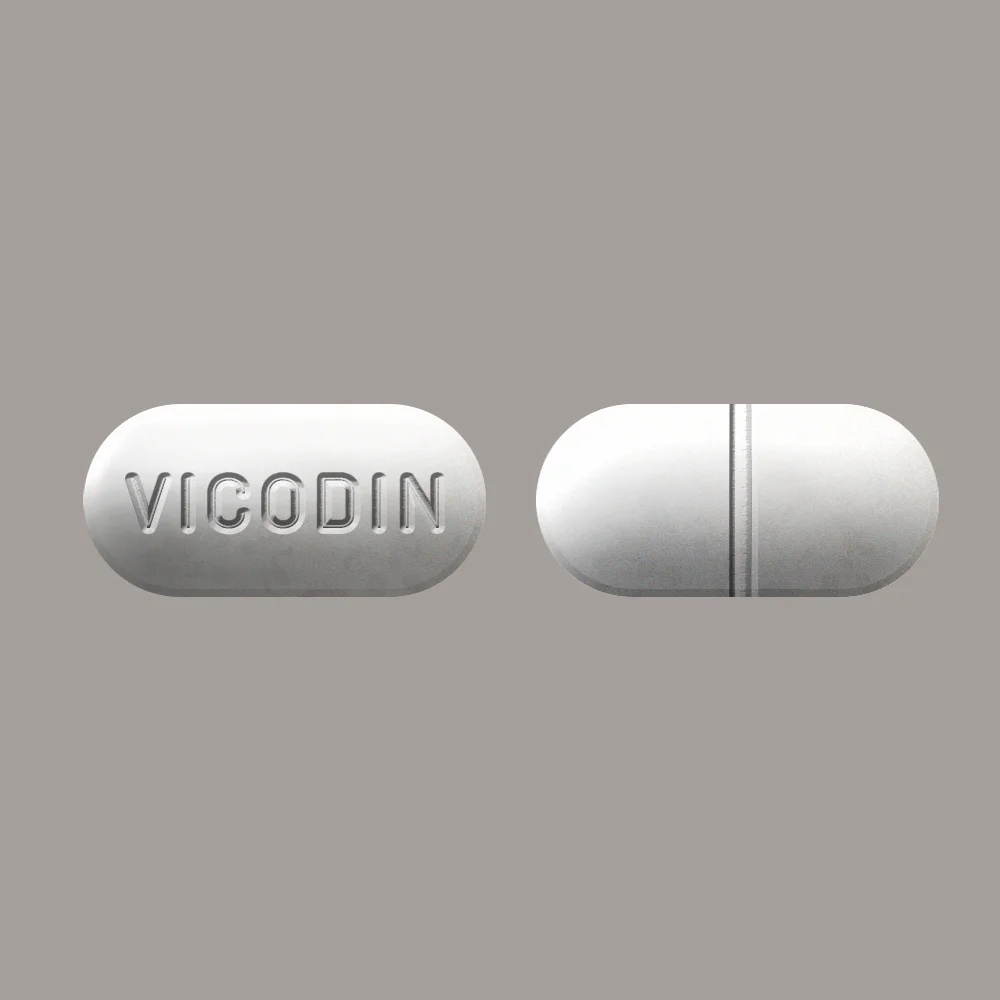
Vicodin 5/500mg
$363.00Select options This product has multiple variants. The options may be chosen on the product page -
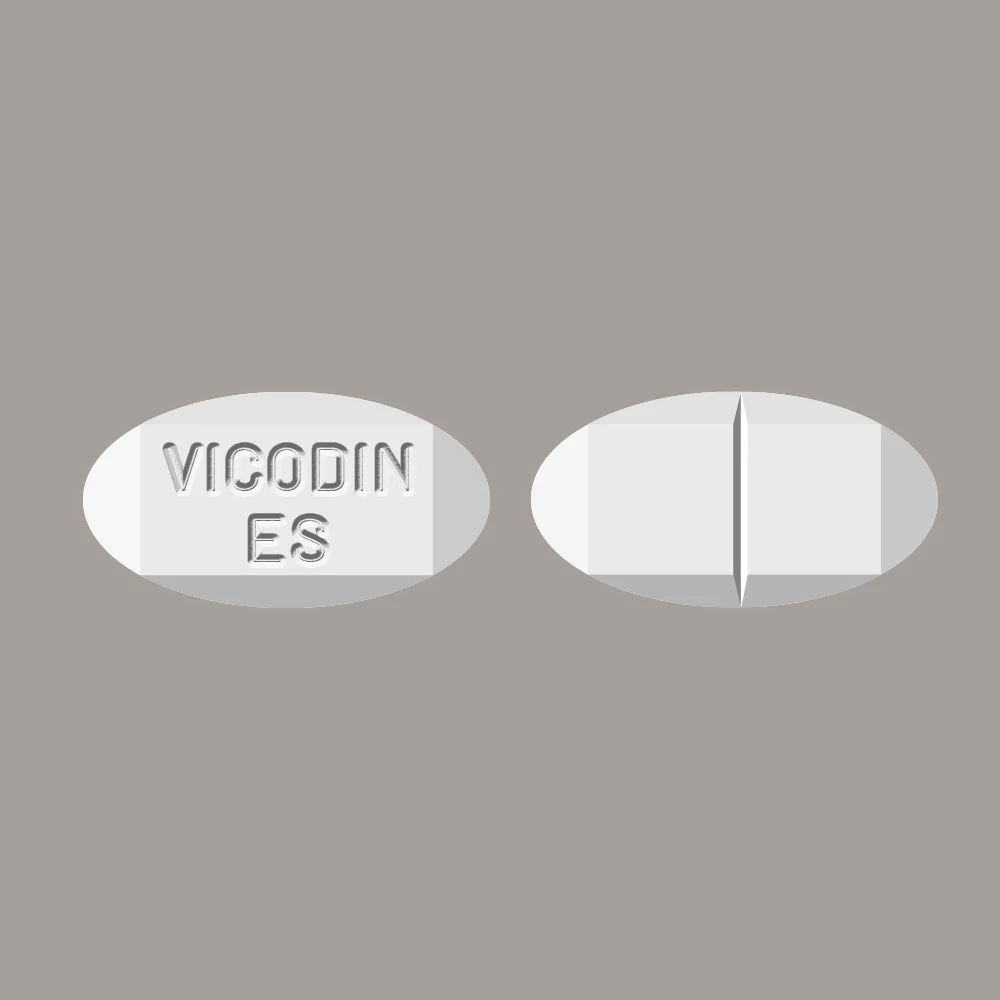
Vicodin 7.5/750mg
$371.00Select options This product has multiple variants. The options may be chosen on the product page
Overview
Vicodin is a prescription pain medication that combines hydrocodone with acetaminophen. Hydrocodone is an opioid analgesic that changes how the brain and nervous system perceive pain, while acetaminophen provides additional pain-relieving effects.
Because Vicodin can cause serious respiratory depression, dependence, misuse, and overdose, it should only be used when prescribed by a qualified healthcare professional. The acetaminophen component also creates an additional risk of liver injury if too much is taken.
People researching Buy Vicodin Online should be especially careful with websites offering prescription opioids without appropriate medical evaluation. Counterfeit medications can contain unexpected or dangerous ingredients.
What Is Vicodin?
Vicodin is a combination prescription analgesic containing an opioid and a non-opioid pain reliever.
Its two active ingredients are:
- Hydrocodone — an opioid that acts on receptors in the central nervous system to reduce the perception of pain.
- Acetaminophen — a non-opioid analgesic that enhances overall pain relief.
Vicodin has historically been prescribed for pain that is severe enough to require an opioid when other treatment options are inadequate.
Because hydrocodone can produce tolerance and physical dependence, treatment should be individualized and closely monitored.
History of Vicodin
Vicodin became widely recognized as a combination hydrocodone-acetaminophen pain medicine. Combining an opioid with acetaminophen allowed physicians to address pain through two different mechanisms.
Over time, increased awareness of opioid-related harms led to stronger emphasis on appropriate prescribing, monitoring, storage, and disposal.
The acetaminophen component is also important because excessive total acetaminophen exposure can cause serious liver damage. Patients therefore need to consider all sources of acetaminophen, including products purchased without a prescription.
FDA and Controlled-Substance Status
Hydrocodone-containing prescription products are subject to strict federal controls in the United States.
Hydrocodone combination products are classified as Schedule II controlled substances, reflecting their significant potential for misuse, abuse, and dependence.
Vicodin and similar medications should only be obtained through legitimate prescription channels. A website that offers controlled opioid medication without appropriate medical oversight is a major warning sign.
What Is Vicodin Used For?
Vicodin is intended to relieve pain when an opioid analgesic is considered medically appropriate.
A healthcare professional may consider an opioid for certain situations involving significant acute pain when other treatments do not provide adequate relief.
Treatment decisions depend on:
- Severity and duration of pain
- Underlying medical condition
- Previous pain treatments
- Other medications
- Age and overall health
- History of substance misuse
- Risk factors for respiratory depression
Opioids are not appropriate for every type of pain, and treatment should be periodically reassessed.
How Does Vicodin Work?
Vicodin contains two active components with different actions.
Hydrocodone binds to opioid receptors in the central nervous system. This changes the way pain signals are processed and can reduce the emotional and physical response to pain.
Acetaminophen works through a different pain-relieving pathway and contributes to the medication’s overall analgesic effect.
Hydrocodone also affects areas of the brain involved in breathing, alertness, and reward. This explains why opioid medications can cause sedation and respiratory depression and why they have potential for misuse and dependence.
Buy Vicodin Online: Online Pharmacy Safety
The search term Buy Vicodin Online may lead to legitimate healthcare resources as well as unsafe websites.
When obtaining prescription medication online, consumers should look for a pharmacy that:
- Requires an appropriate prescription.
- Provides clear pharmacy and licensing information.
- Uses qualified healthcare professionals.
- Supplies properly labeled medication.
- Maintains secure handling of personal information.
- Provides legitimate contact information.
- Does not encourage customers to bypass medical evaluation.
Avoid websites that promise opioids without prescriptions, provide suspiciously low prices, or fail to identify the source and contents of their medications.
Vicodin Dosage Considerations
There is no single dose that is appropriate for everyone.
A prescriber determines the appropriate strength and frequency based on factors such as:
- The patient’s pain level
- Previous exposure to opioids
- Age
- Other medications
- Medical conditions
- Liver function
- Respiratory risk
- Treatment goals
Patients should take Vicodin exactly as prescribed and should never increase the amount or frequency without medical advice.
Because Vicodin contains acetaminophen, taking additional acetaminophen-containing products can unintentionally increase total daily exposure and raise the risk of liver injury.
How to Use Vicodin Safely
Important precautions include:
- Follow the prescription precisely.
- Never take more than directed.
- Do not share the medication.
- Avoid driving or hazardous activities if the medicine causes drowsiness.
- Tell your healthcare professional about all other medications.
- Check other medicines for acetaminophen.
- Keep the medication secured from unauthorized use.
- Dispose of unused medication appropriately.
- Never alter the prescribed regimen to obtain stronger or faster effects.
Vicodin Side Effects
Vicodin can cause opioid-related and acetaminophen-related adverse effects.
Common Side Effects
Possible effects include:
- Sleepiness
- Dizziness
- Nausea
- Vomiting
- Constipation
- Lightheadedness
- Itching
- Reduced alertness
These effects can interfere with driving and other activities requiring concentration.
Serious Side Effects
Urgent medical attention may be necessary for symptoms such as:
- Slow or difficult breathing
- Extreme sleepiness
- Inability to wake normally
- Loss of consciousness
- Severe allergic reaction
- Confusion
- Signs of serious liver injury
Opioid-related respiratory depression can be life-threatening.
Vicodin and Alcohol
Alcohol should not be combined with Vicodin unless specifically approved by a healthcare professional.
Alcohol can intensify opioid-induced sedation and respiratory depression. The combination may substantially increase the risk of unconsciousness, overdose, and death.
Patients should also be cautious about other substances that depress the central nervous system.
Vicodin and Other Medications
Several medications can interact dangerously with hydrocodone.
Potentially concerning combinations include:
- Benzodiazepines
- Other opioid medications
- Sleeping medications
- Sedating antihistamines
- Muscle relaxants
- Alcohol
- Other central nervous system depressants
Some medications can also affect how hydrocodone is metabolized, potentially changing its effects.
Always provide your prescriber and pharmacist with a complete medication list before starting treatment.
Dependence, Tolerance, and Addiction
Hydrocodone can produce tolerance, physical dependence, and addiction.
These concepts are related but are not identical. Physical dependence can develop as the body adapts to repeated opioid exposure, while addiction involves compulsive use despite harmful consequences.
Risk may increase with:
- Higher doses
- Longer treatment periods
- Misuse
- Taking medication differently than prescribed
- Combining opioids with other sedating substances
- Personal or family history of substance-use problems
Patients concerned about dependence should speak with their healthcare professional rather than changing treatment independently.
Vicodin Withdrawal
Someone who has become physically dependent on an opioid may experience withdrawal after suddenly reducing or stopping treatment.
Withdrawal symptoms can include:
- Restlessness
- Anxiety
- Sweating
- Muscle aches
- Runny nose
- Insomnia
- Abdominal discomfort
- Nausea
- Diarrhea
Patients who have been taking opioids regularly should consult their healthcare professional before discontinuing treatment. A medically supervised reduction may be appropriate in some circumstances.
Vicodin Overdose
An opioid overdose is a medical emergency.
Potential warning signs include:
- Very slow or stopped breathing
- Extreme sleepiness
- Inability to wake
- Small or pinpoint pupils
- Limpness
- Blue or gray lips or skin
Naloxone can rapidly reverse opioid overdose and may be lifesaving when administered promptly. If an overdose is suspected, call emergency services immediately and administer naloxone if available and appropriate.
Because Vicodin also contains acetaminophen, excessive exposure can cause severe liver damage, which may not initially produce obvious symptoms.
Acetaminophen and Liver Safety
One of the distinctive safety concerns with Vicodin is its acetaminophen content.
Taking more acetaminophen than recommended—especially from multiple products—can result in serious or potentially fatal liver injury.
Patients should:
- Check labels of other pain and cold medicines.
- Avoid accidentally combining multiple acetaminophen-containing products.
- Follow the prescribed instructions carefully.
- Discuss liver disease or heavy alcohol consumption with a healthcare professional.
- Never assume that a second medication is safe simply because it is sold without a prescription.
Pregnancy and Breastfeeding
Anyone who is pregnant, planning pregnancy, or breastfeeding should discuss opioid treatment with a healthcare professional.
Opioid exposure during pregnancy can affect the developing fetus and may lead to neonatal opioid withdrawal after birth. Hydrocodone can also pass into breast milk.
A clinician should evaluate the benefits and potential risks before treatment is started or continued.
Safe Storage and Disposal
Prescription opioids should be stored securely to prevent accidental ingestion, theft, or misuse.
Recommended precautions include:
- Keep medication away from children and pets.
- Store it in a secure location.
- Never give it to another person.
- Keep tablets in their original labeled packaging when possible.
- Follow official medication-disposal recommendations for unused opioids.
- Unused opioid medication should not be left where other people can access it.
Identifying Counterfeit Vicodin
Pill appearance alone cannot reliably establish whether an opioid is authentic.
Consumers should be cautious if medication arrives with:
- Damaged or unusual packaging
- Spelling or labeling errors
- Unexpected tablet markings
- Unfamiliar appearance
- Missing prescription information
- Unclear manufacturer details
Do not take a suspicious medication simply because it resembles a legitimate tablet. A pharmacist can help determine whether the product appears consistent with the prescribed medication.
Alternatives to Vicodin
Pain management should be tailored to the underlying condition.
Depending on the diagnosis, healthcare professionals may consider:
- Non-opioid pain medicines
- Physical therapy
- Rehabilitation
- Local or regional treatments
- Heat or cold therapy
- Behavioral approaches
- Other prescription treatments
For some types of pain, non-opioid approaches may provide adequate relief while avoiding opioid-related risks.
Frequently Asked Questions
What is Vicodin used for?
Vicodin is a prescription combination containing hydrocodone and acetaminophen that has been used to treat significant pain when an opioid is considered appropriate.
Is Vicodin an opioid?
Yes. Hydrocodone, one of Vicodin’s active ingredients, is an opioid analgesic.
Is Vicodin addictive?
Hydrocodone can lead to misuse, addiction, tolerance, and physical dependence. The risk varies by individual and treatment circumstances.
Can Vicodin be taken with alcohol?
Combining Vicodin with alcohol can dangerously increase sedation and respiratory depression and should be avoided unless specifically directed otherwise by a healthcare professional.
Can Vicodin cause liver damage?
Yes. Vicodin contains acetaminophen, and excessive acetaminophen exposure can cause severe liver injury. Patients should carefully monitor their total acetaminophen intake from all medications.