
Buy Oxycontin Online
Showing 1–12 of 14 results
-
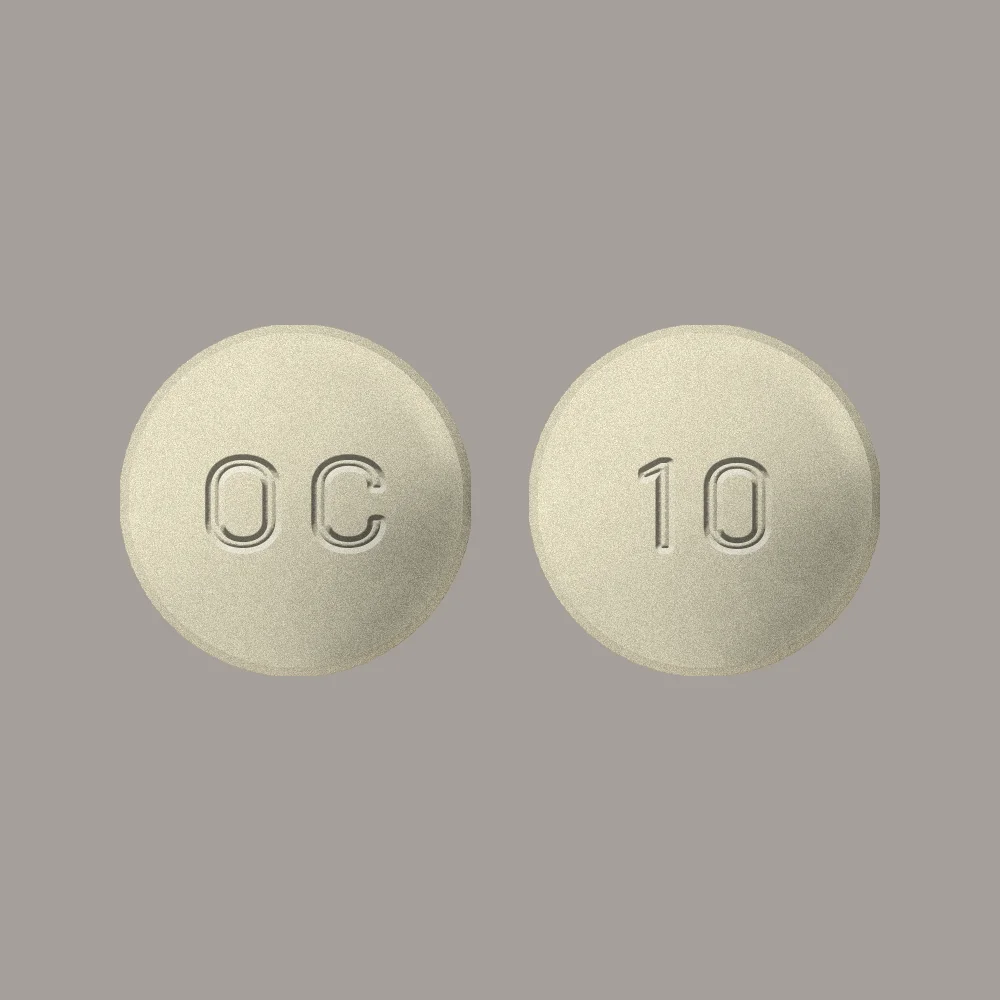
Oxycontin OC 10mg
$319.00Select options This product has multiple variants. The options may be chosen on the product page -
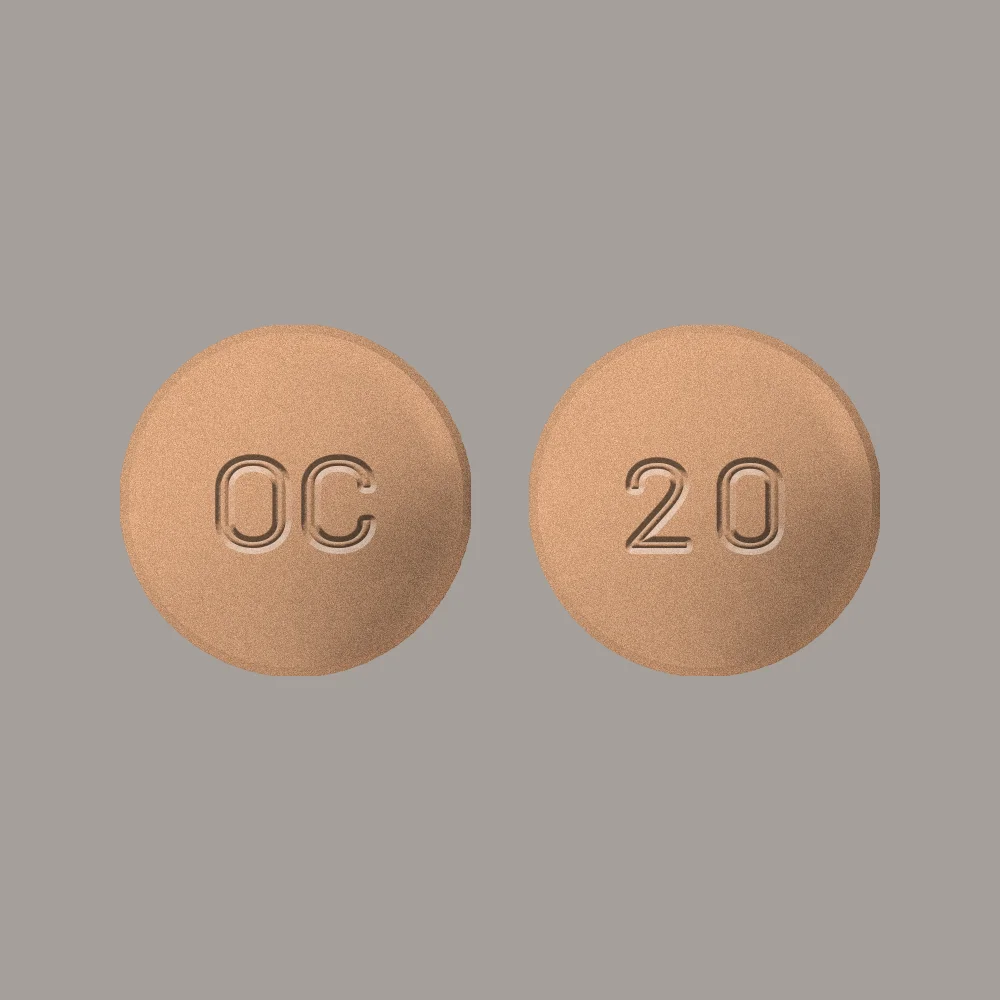
Oxycontin OC 20mg
$341.00Select options This product has multiple variants. The options may be chosen on the product page -

Oxycontin OC 30mg
$363.00Select options This product has multiple variants. The options may be chosen on the product page -

Oxycontin OC 40mg
$417.00Select options This product has multiple variants. The options may be chosen on the product page -
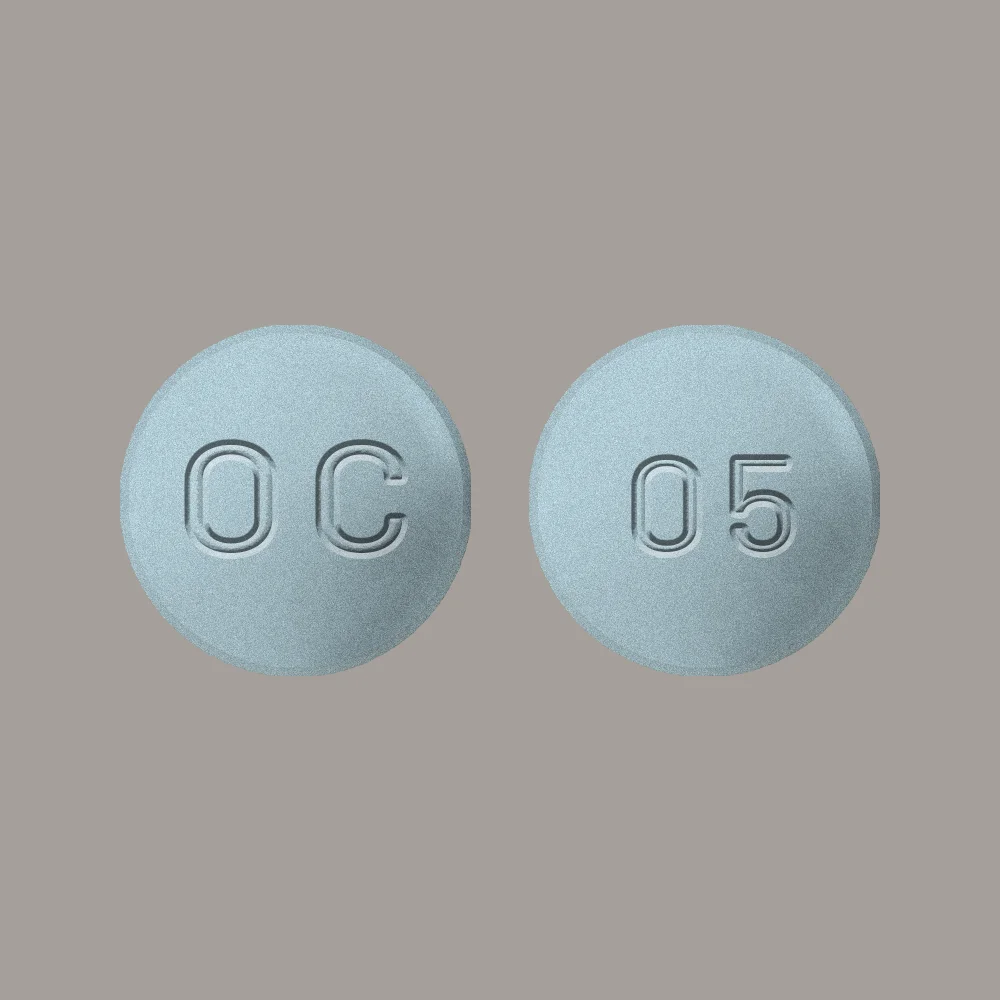
Oxycontin OC 5mg
$317.00Select options This product has multiple variants. The options may be chosen on the product page -

Oxycontin OC 60mg
$427.00Select options This product has multiple variants. The options may be chosen on the product page -

Oxycontin OC 80mg
$467.00Select options This product has multiple variants. The options may be chosen on the product page -
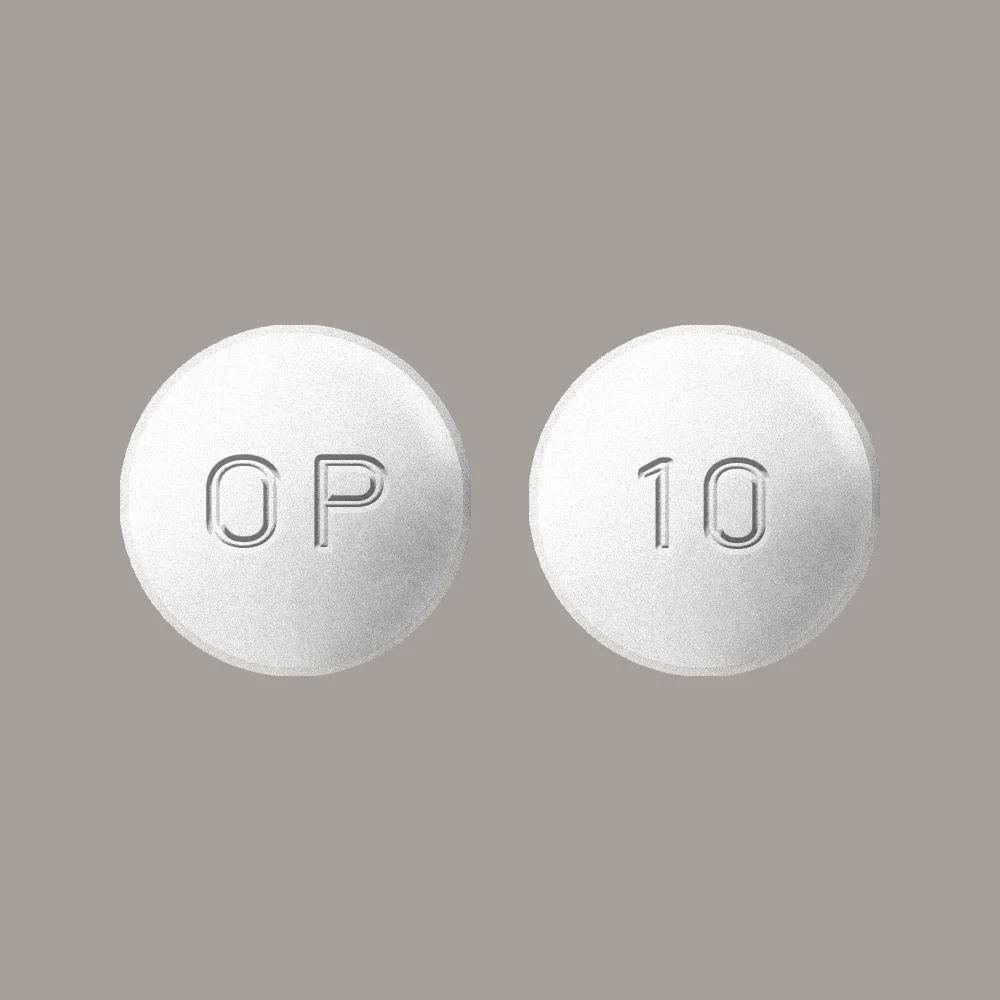
Oxycontin OP 10mg
$313.00Select options This product has multiple variants. The options may be chosen on the product page -
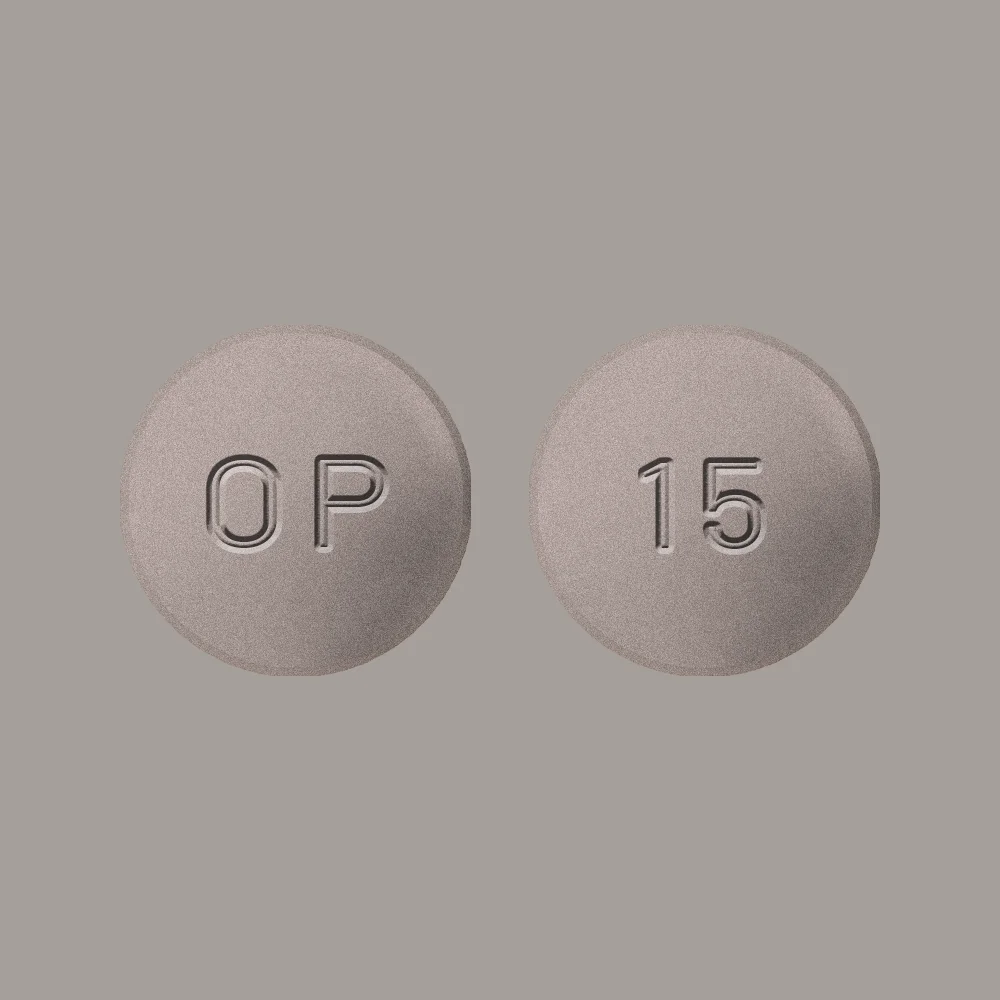
Oxycontin OP 15mg
$313.00Select options This product has multiple variants. The options may be chosen on the product page -
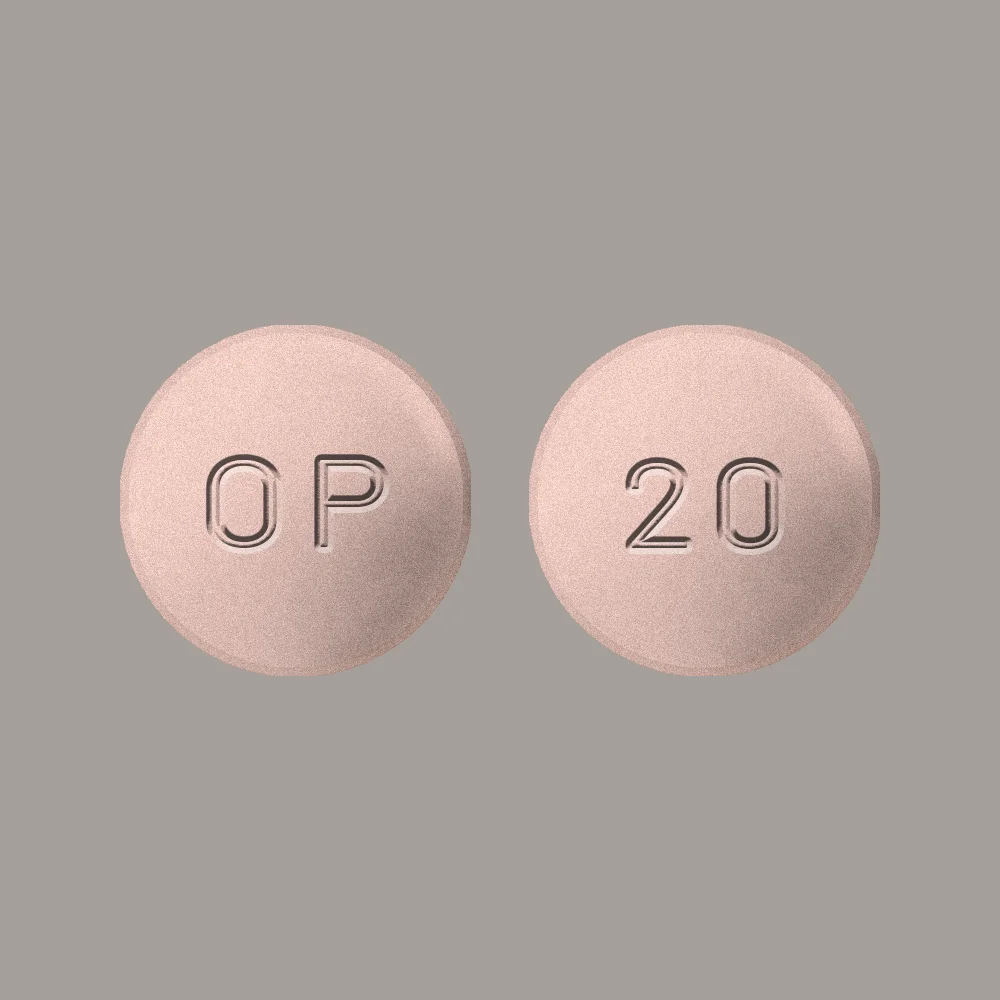
Oxycontin OP 20mg
$312.00Select options This product has multiple variants. The options may be chosen on the product page -

Oxycontin OP 30mg
$303.00Select options This product has multiple variants. The options may be chosen on the product page -
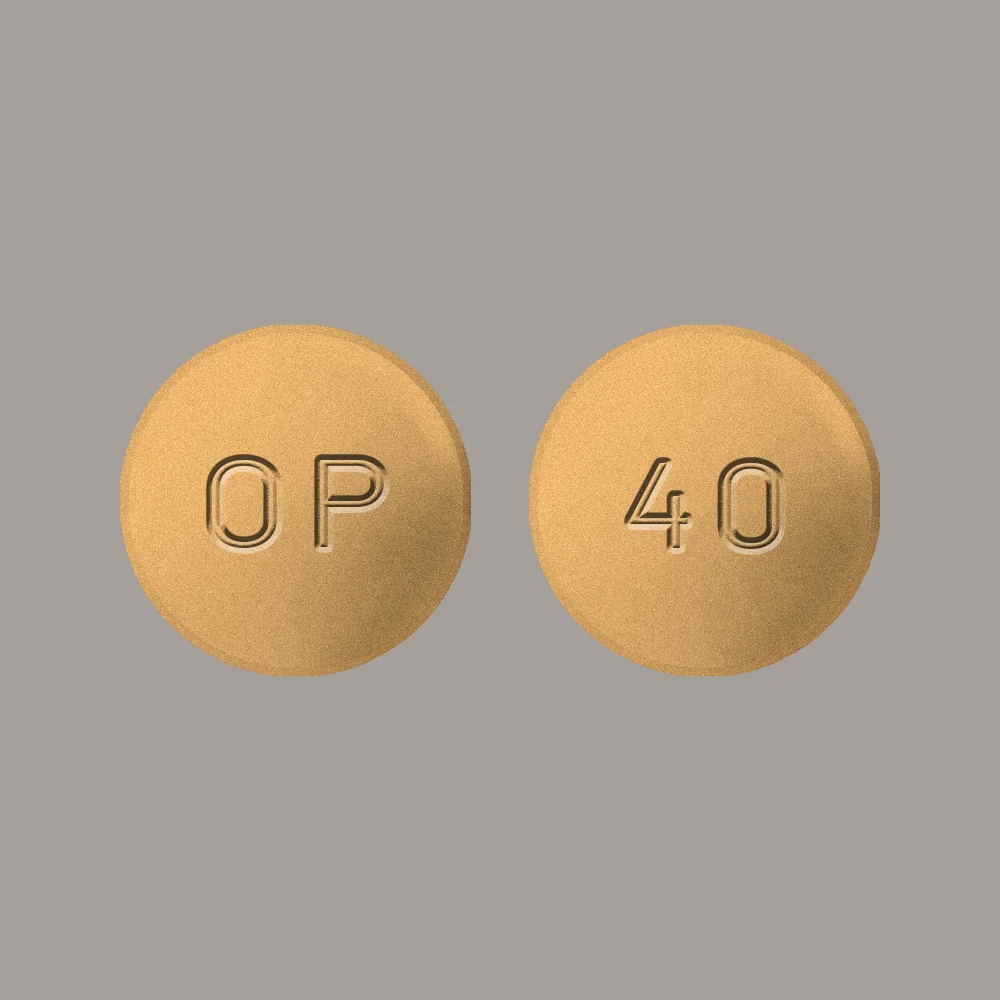
Oxycontin OP 40mg
$311.00Select options This product has multiple variants. The options may be chosen on the product page
OxyContin – Dosage And Overview
OxyContin is an extended-release prescription formulation of oxycodone, an opioid analgesic used for the management of severe and persistent pain when alternative treatment options are inadequate.
Oxycodone works primarily by activating opioid receptors in the central nervous system, changing how the brain and body perceive and respond to pain. Because extended-release oxycodone carries significant risks of misuse, addiction, overdose, and potentially fatal respiratory depression, it requires careful medical supervision.
What Is OxyContin Used For?
OxyContin may be prescribed for patients who require continuous, around-the-clock opioid treatment for severe pain.
It is generally intended for pain that is significant enough to require an opioid analgesic when other treatment options are insufficient.
A healthcare professional should determine whether an extended-release opioid is appropriate based on the patient’s diagnosis, previous treatment, medical history, and individual risk factors.
How Does OxyContin Work?
OxyContin contains extended-release oxycodone. Oxycodone binds to mu-opioid receptors in the central nervous system and alters pain perception.
The extended-release formulation is designed to release the active medicine over an extended period. It must therefore be taken exactly as prescribed and should not be manipulated or altered.
OxyContin Dosage
There is no universally appropriate OxyContin dose. Treatment is individualized according to factors such as previous opioid exposure, severity of pain, medical conditions, and response to therapy.
- Take the medicine exactly as prescribed.
- Never take a larger amount or use it more frequently than directed.
- Never share opioid medication.
- Tell their healthcare professional about all medications and substances they use.
- Never change the formulation or method of administration.
- Discuss concerns about pain control or side effects with their prescriber.
Extended-release opioid tablets should not be crushed, chewed, or altered because doing so can release oxycodone too rapidly and potentially result in a dangerous overdose.
Possible Side Effects
Oxycodone may cause side effects such as:
- Constipation
- Nausea
- Vomiting
- Drowsiness
- Dizziness
- Headache
- Itching
- Confusion
Sedation and impaired judgment can increase the risk of accidents and falls.
Serious Safety Risks
The most significant risks associated with extended-release oxycodone include respiratory depression, overdose, addiction, misuse, and physical dependence.
Seek emergency medical attention if someone taking oxycodone experiences:
- Very slow or difficult breathing
- Extreme sleepiness
- Inability to wake
- Loss of consciousness
- Severe confusion
- Blue or gray lips or fingertips
Opioid overdose can be fatal without rapid treatment.
OxyContin and Other Substances
Combining oxycodone with alcohol, benzodiazepines, sedatives, or other central nervous system depressants can significantly increase the risk of profound sedation, respiratory depression, coma, and death.
Always provide your healthcare professional with a complete list of medicines, supplements, and other substances you use before beginning opioid treatment.
Dependence and Withdrawal
Regular opioid use can result in physical dependence. Dependence is different from addiction, although both can occur.
Stopping oxycodone suddenly after prolonged or regular use may cause withdrawal symptoms such as:
- Anxiety
- Restlessness
- Sweating
- Muscle aches
- Runny nose
- Insomnia
- Nausea
- Abdominal cramping
A healthcare professional can determine whether a gradual dose reduction is appropriate.
Safe Storage and Disposal
Prescription opioids should be stored securely and never shared with family members, friends, or anyone else.
Unused medication should be disposed of according to official medication-disposal guidance. Proper storage and disposal can help prevent accidental ingestion, misuse, and diversion.
Obtaining OxyContin Safely
People searching for “Buy OxyContin Online” should be particularly cautious because oxycodone is a controlled prescription opioid.
Prescription opioids should be obtained through legitimate healthcare and pharmacy channels. If using an online pharmacy, verify that it is properly licensed and follows applicable prescription requirements.
Avoid websites offering OxyContin without appropriate medical evaluation or claiming that a prescription is unnecessary. Products from unverified sources may be counterfeit or contain dangerous substances, including unexpectedly potent opioids.
Conclusion
OxyContin is an extended-release opioid medication intended for carefully selected patients with severe, persistent pain. While oxycodone can provide significant pain relief, its risks—including respiratory depression, overdose, misuse, addiction, and dependence—make professional supervision essential.