
Buy Hydrocodone Online
Showing all 12 results
-
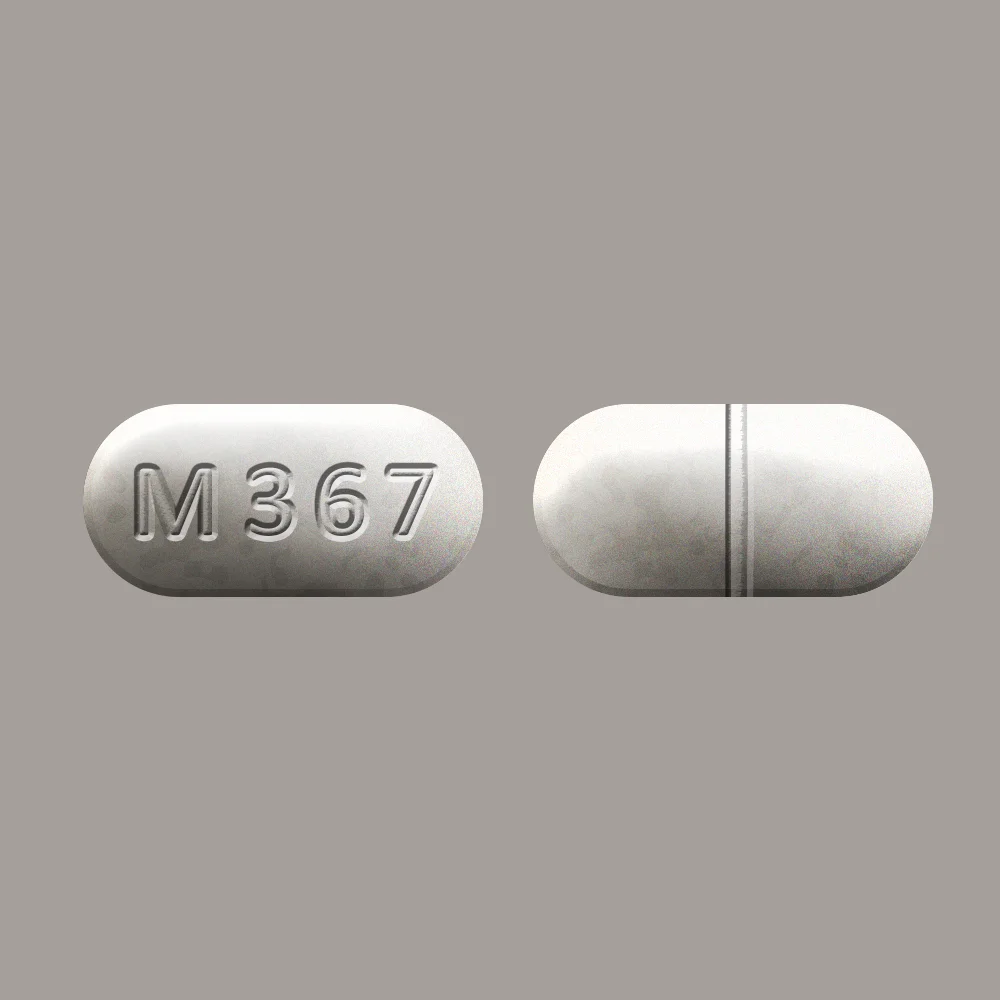
Hydrocodone 10/325mg
$397.00Select options This product has multiple variants. The options may be chosen on the product page -
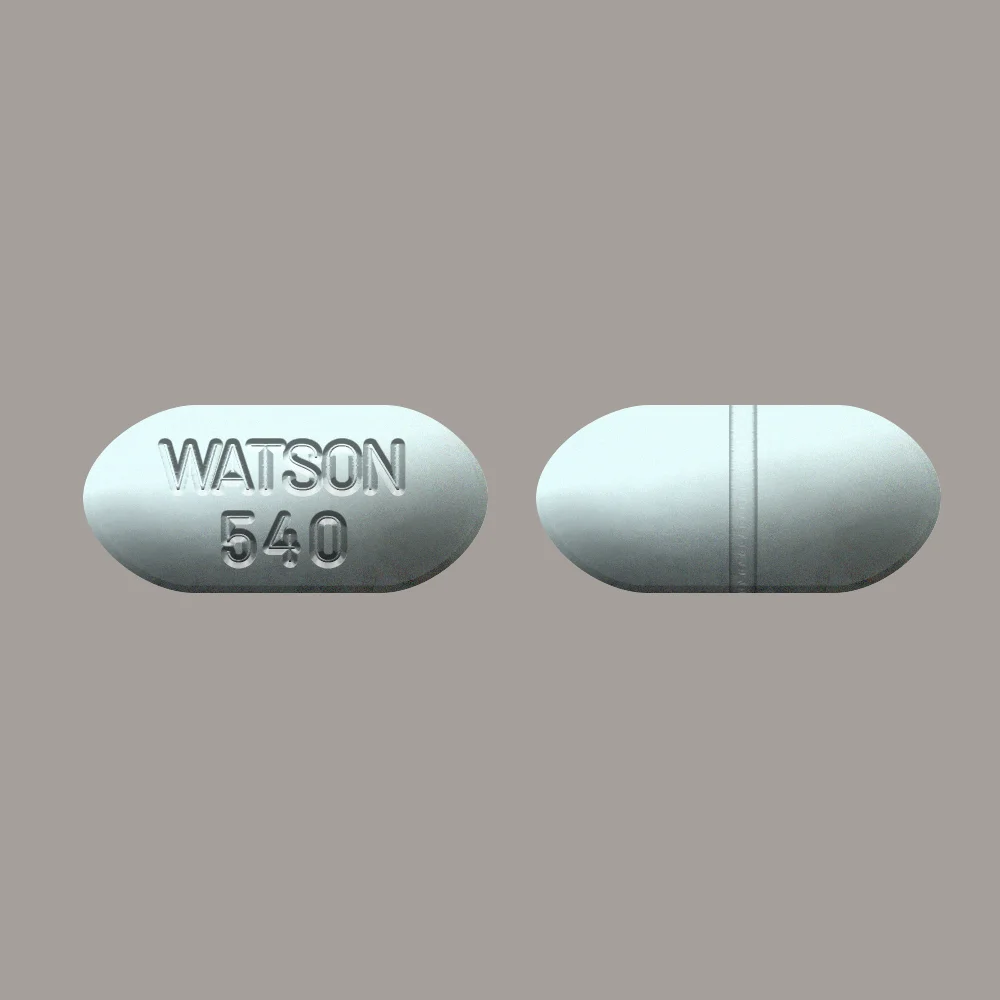
Hydrocodone 10/500mg
$407.00Select options This product has multiple variants. The options may be chosen on the product page -
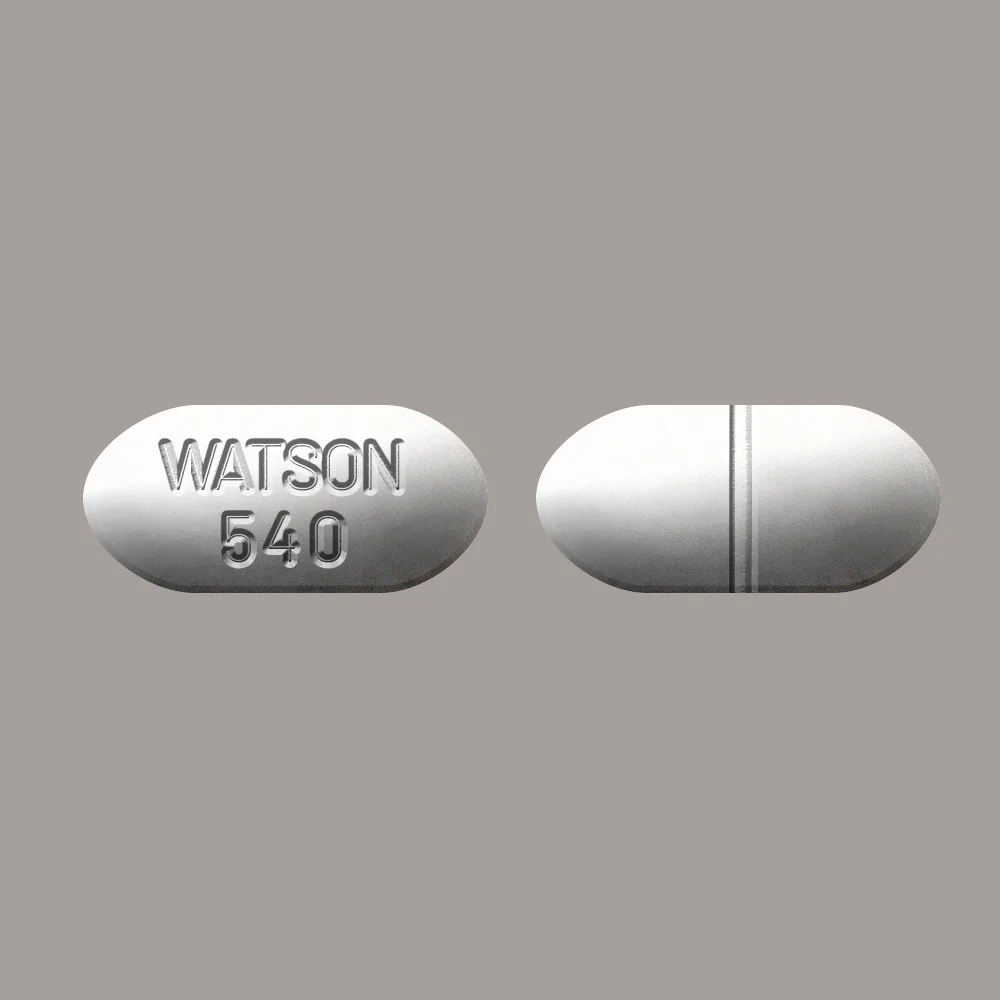
Hydrocodone 10/650mg
$387.00Select options This product has multiple variants. The options may be chosen on the product page -
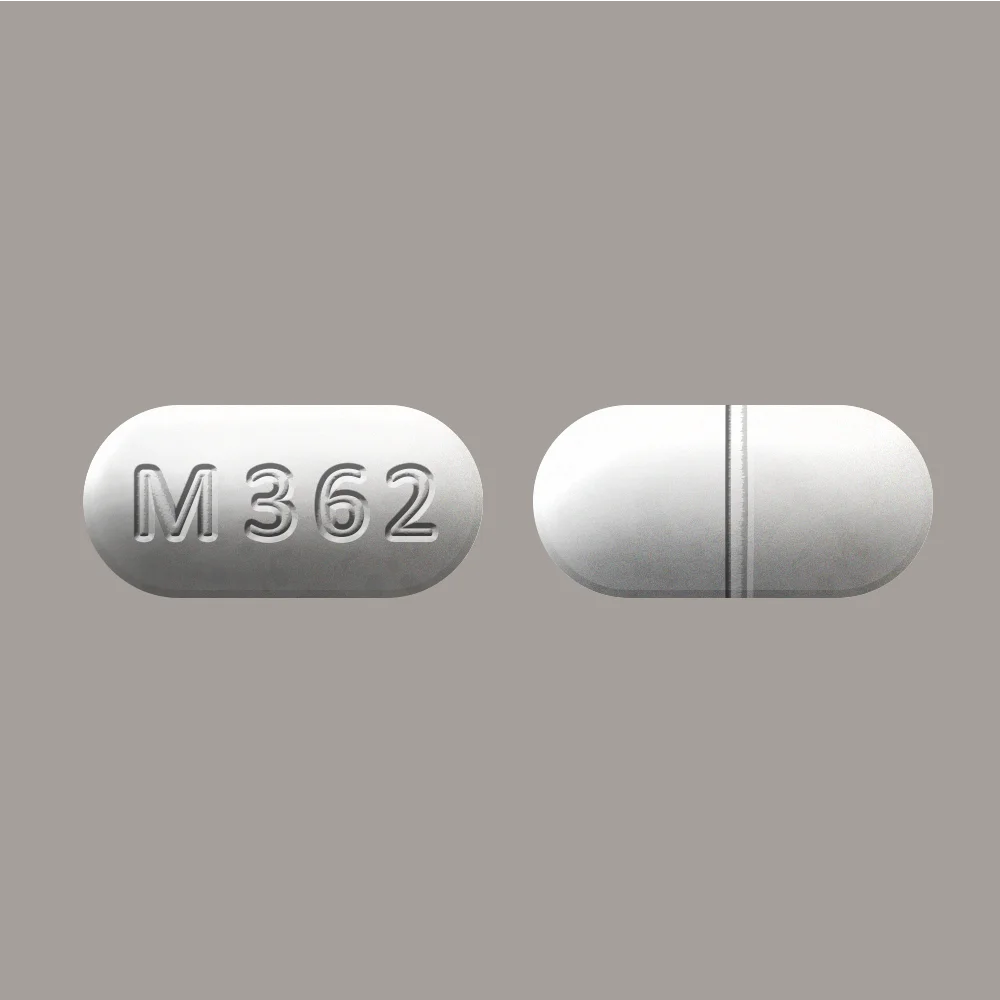
Hydrocodone 10/660mg
$377.00Select options This product has multiple variants. The options may be chosen on the product page -
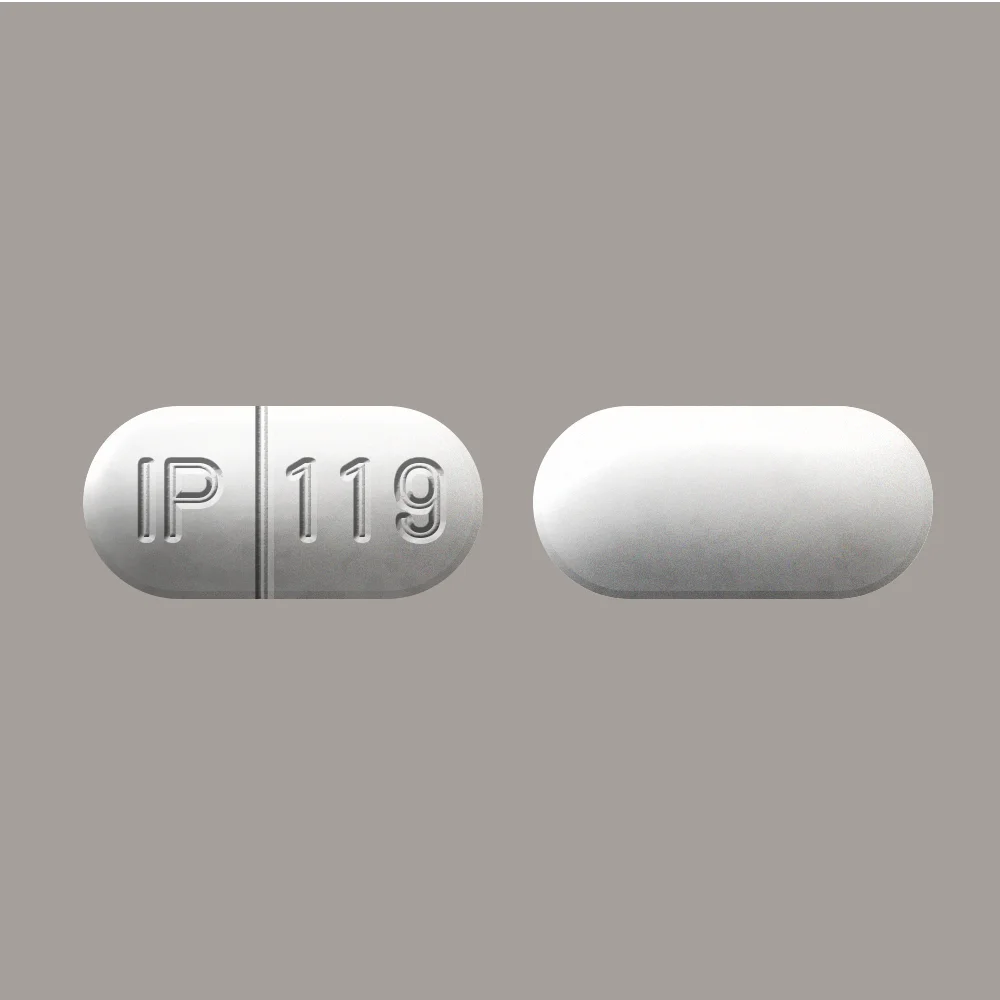
Hydrocodone 10/750mg
$387.00Select options This product has multiple variants. The options may be chosen on the product page -
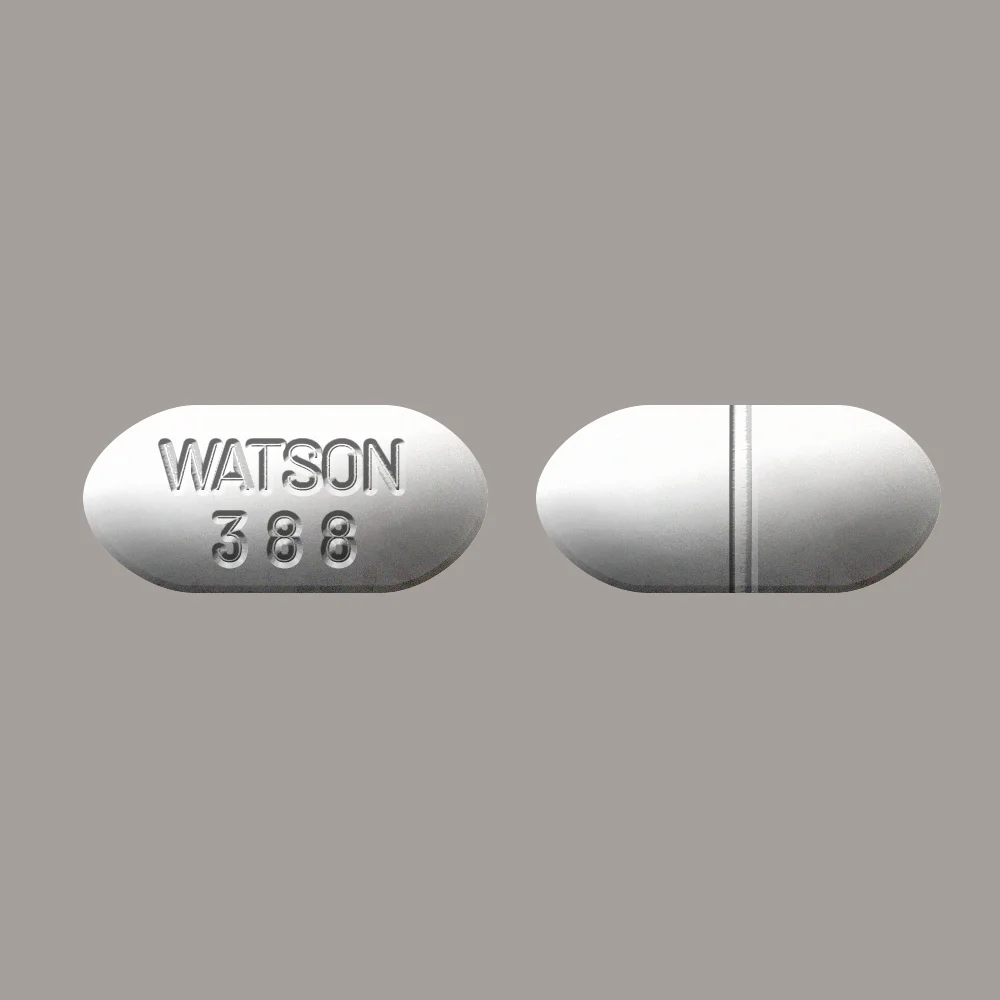
Hydrocodone 2.5/500mg
$337.00Select options This product has multiple variants. The options may be chosen on the product page -
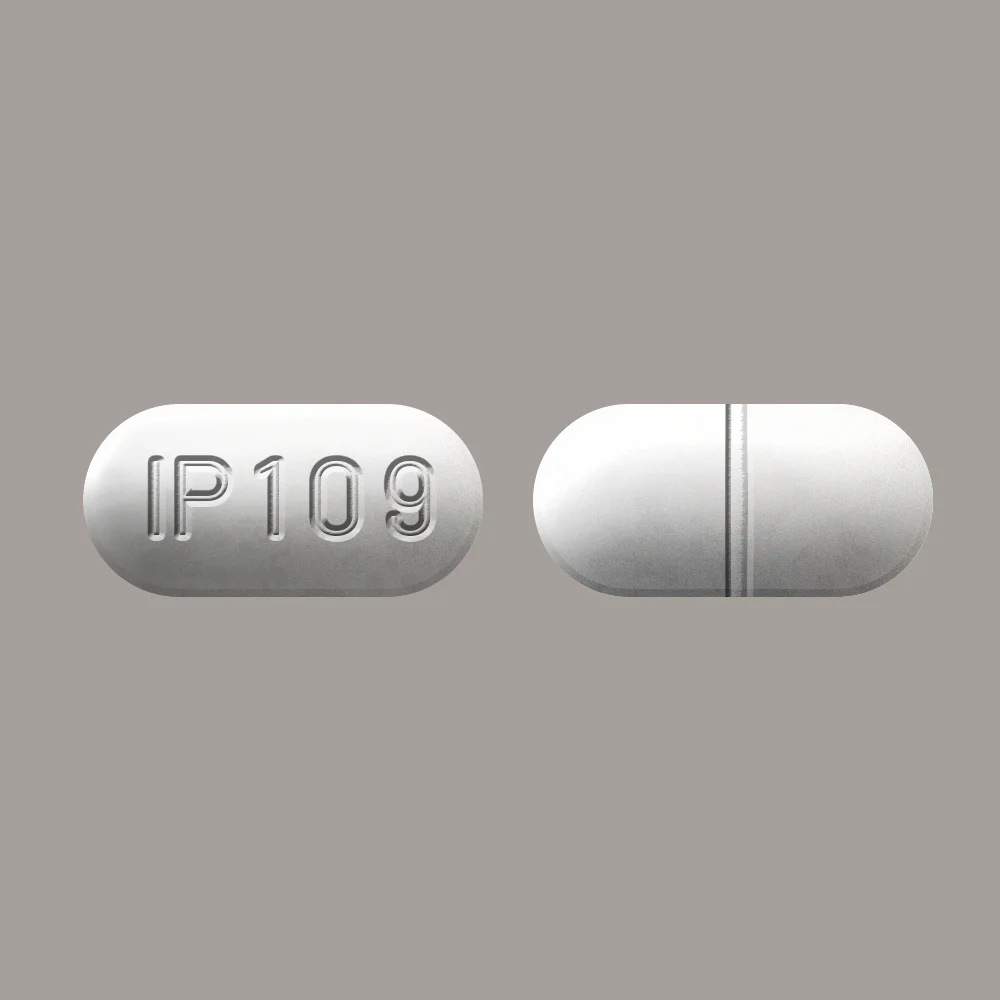
Hydrocodone 5/325mg
$337.00Select options This product has multiple variants. The options may be chosen on the product page -
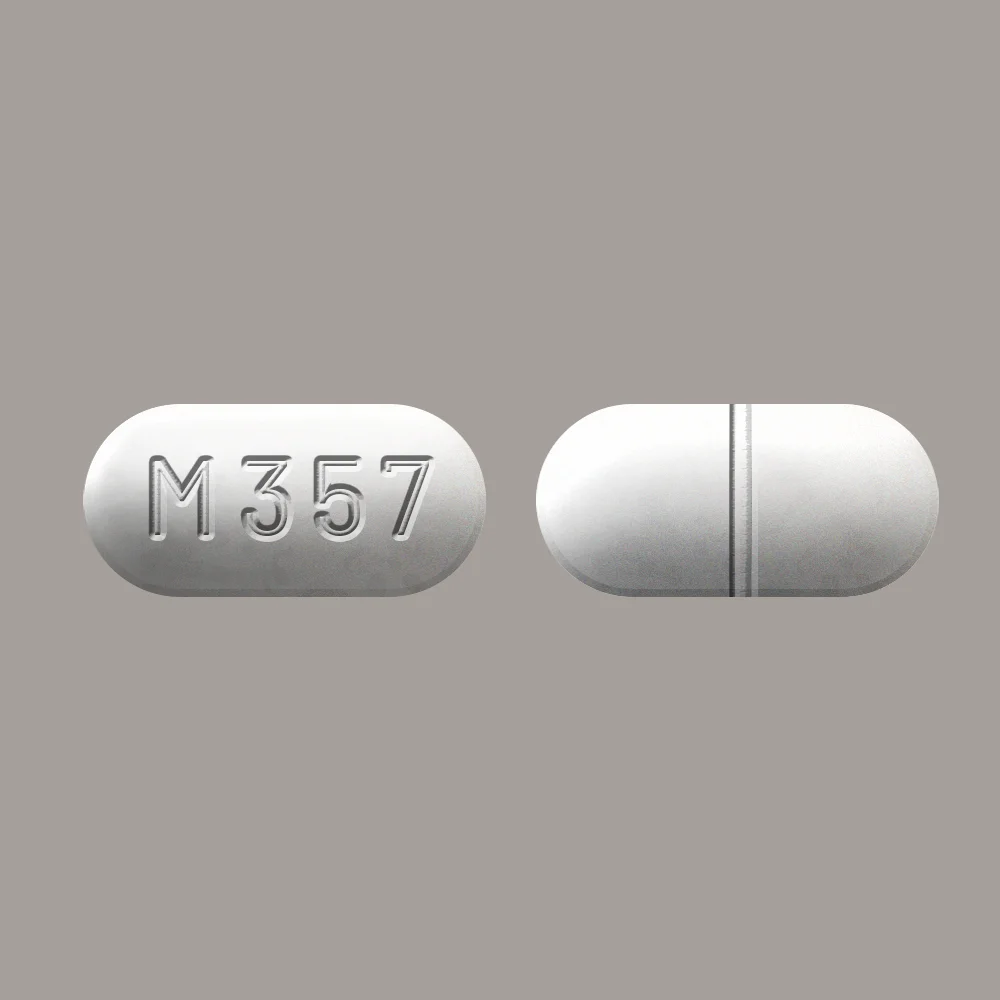
Hydrocodone 5/500mg
$337.00Select options This product has multiple variants. The options may be chosen on the product page -
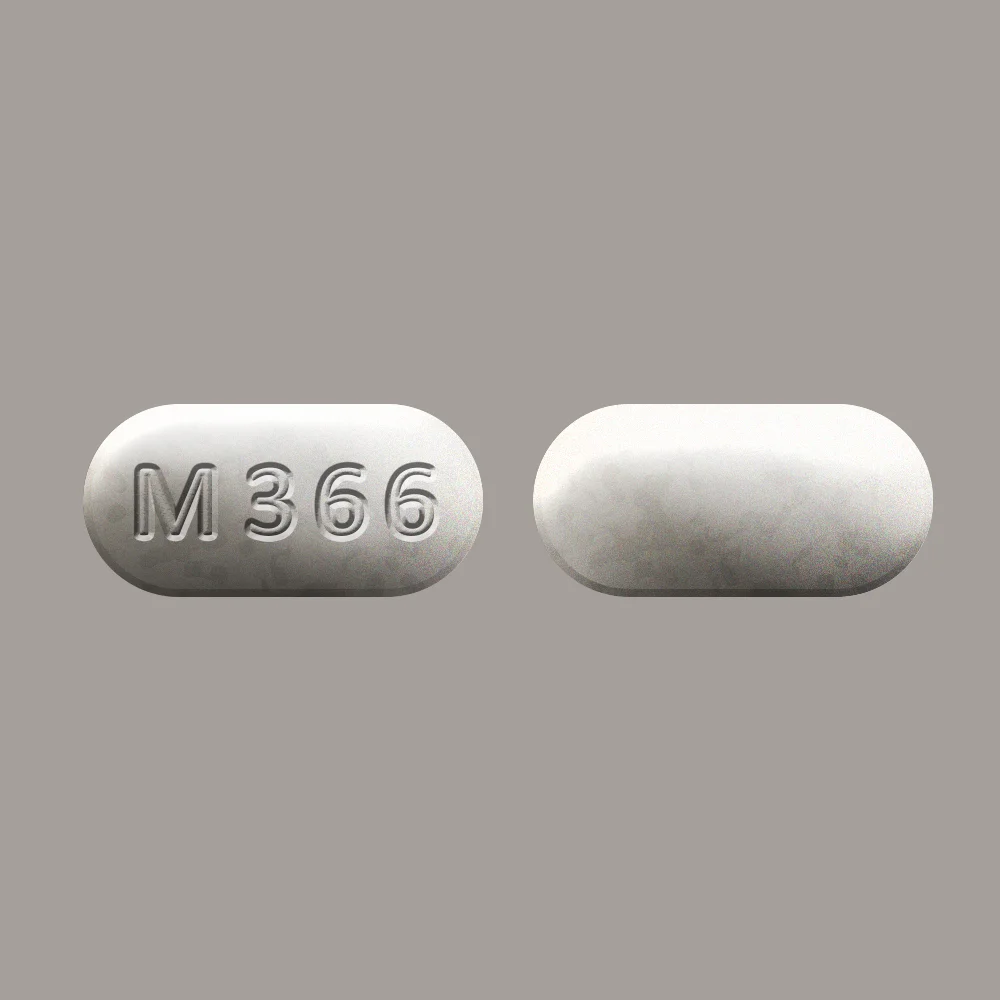
Hydrocodone 7.5/325mg
$337.00Select options This product has multiple variants. The options may be chosen on the product page -
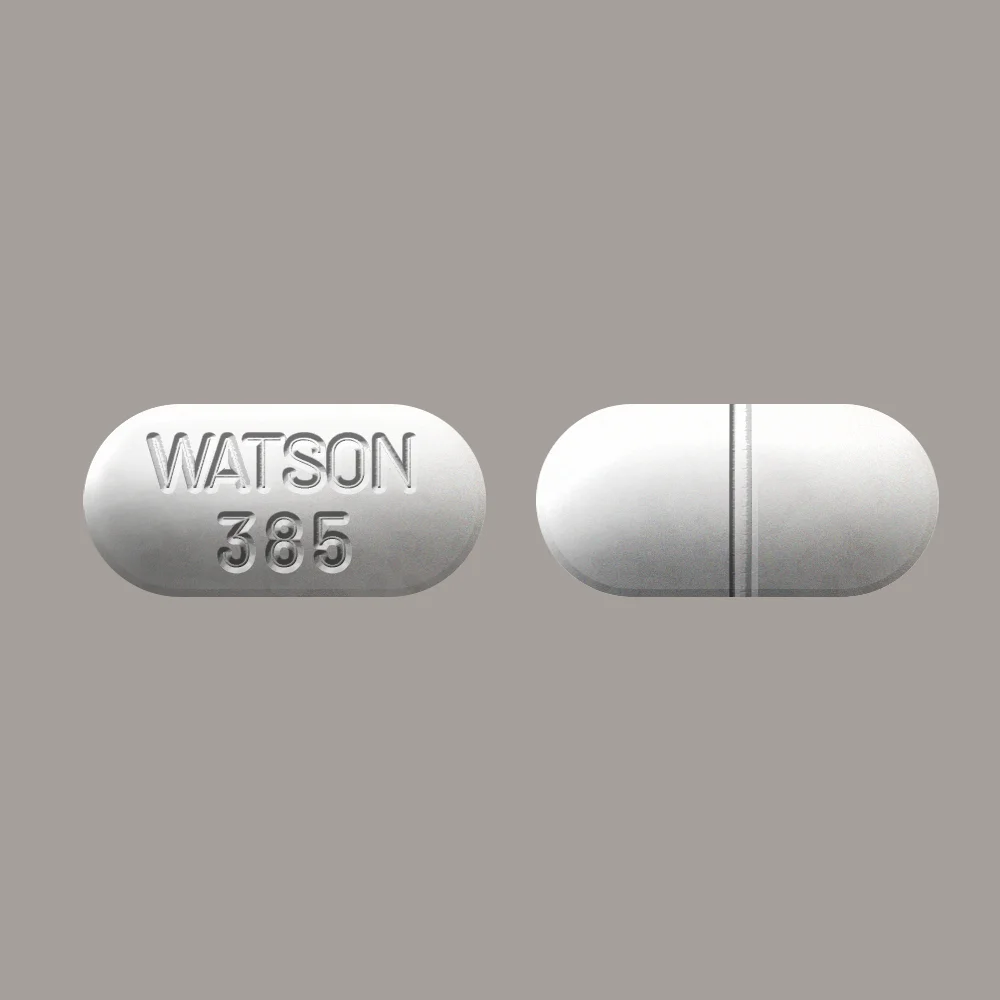
Hydrocodone 7.5/500mg
$367.00Select options This product has multiple variants. The options may be chosen on the product page -
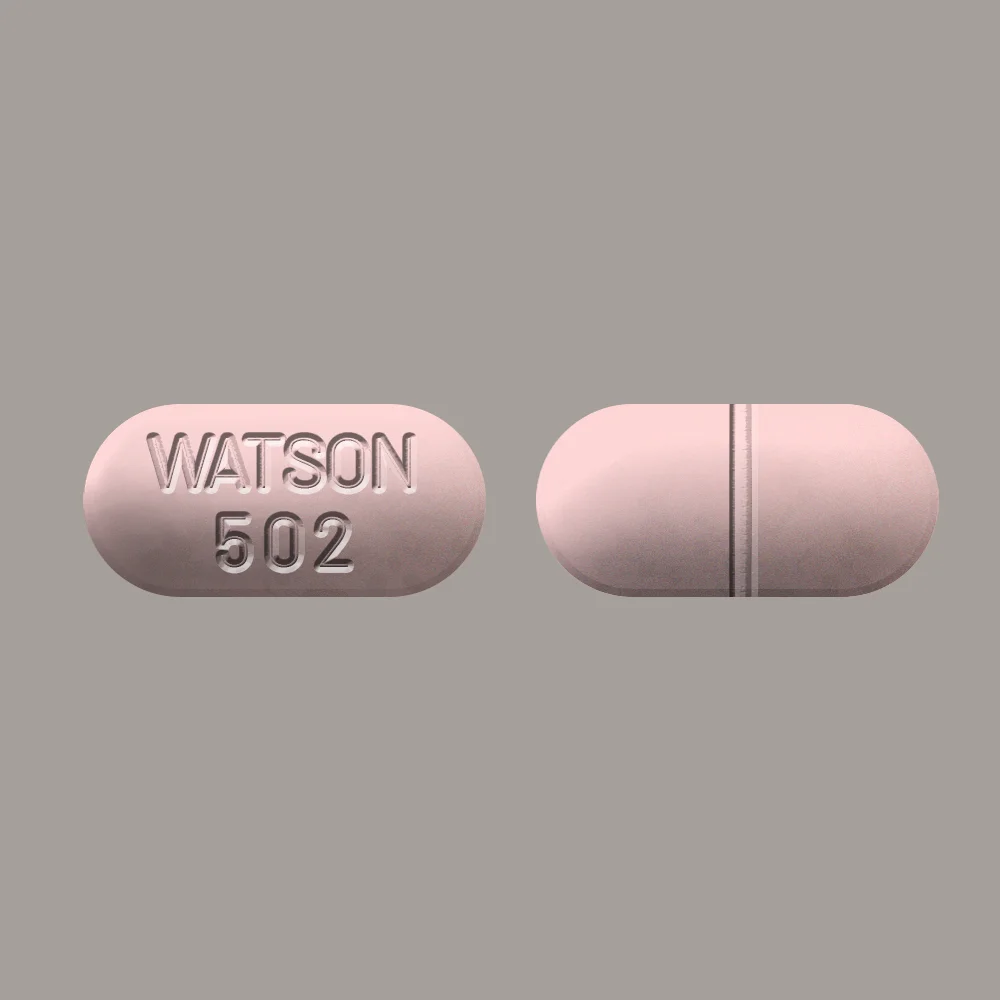
Hydrocodone 7.5/650mg
$377.00Select options This product has multiple variants. The options may be chosen on the product page -
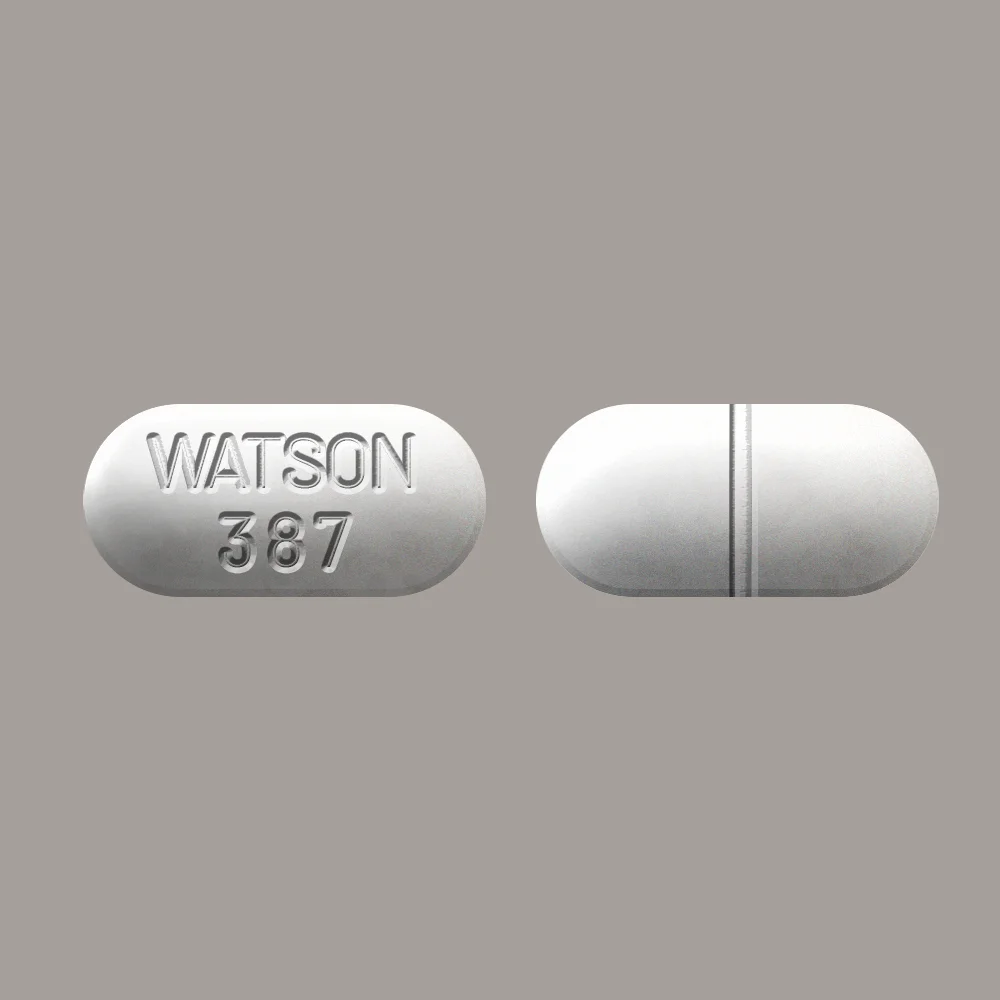
Hydrocodone 7.5/750mg
$387.00Select options This product has multiple variants. The options may be chosen on the product page
Overview Of Hydrocodone
Hydrocodone is a prescription opioid medication used to manage certain types of moderate to severe pain when a healthcare professional determines that opioid treatment is appropriate. It may also be found in some prescription combination products with other active ingredients.
Hydrocodone belongs to the opioid analgesic class and works on the central nervous system to change how the body perceives and responds to pain.
Because hydrocodone can cause drowsiness, respiratory depression, misuse, physical dependence, addiction, and overdose, it must be used exactly as prescribed.
At ScriptCoreUSA.com, we provide educational information about prescription medications to help readers understand their potential benefits, risks, and important safety precautions.
What Is Hydrocodone Used For?
Healthcare professionals may prescribe hydrocodone for specific medical needs, including:
- Moderate to Severe Pain
Hydrocodone may be considered when other pain-management options are insufficient or when a healthcare professional determines that an opioid is medically appropriate.
The treatment plan depends on factors such as:
- The cause and severity of pain
- The patient’s medical history
- Previous response to pain treatment
- Other medications being taken
- Individual risk factors
- Prescription Cough Products
Some formulations containing hydrocodone have been used for specific cough-related indications. These products should only be used for their prescribed purpose and according to the directions of a qualified healthcare professional.
How Does Hydrocodone Work?
Hydrocodone works by binding to opioid receptors in the brain, spinal cord, and other parts of the nervous system.
These receptors are involved in the body’s response to pain.
Hydrocodone may:
- Reduce the perception of pain
- Change the emotional response to pain
- Depress activity in certain parts of the central nervous system
- Cause drowsiness and sedation
While these effects may provide pain relief, they also create important risks, particularly when the medicine is misused or combined with other substances that suppress breathing.
Available Hydrocodone Formulations
Hydrocodone is available in different prescription formulations. Depending on the product, it may be supplied:
- In combination with other medicines
- As an immediate-release product
- As an extended-release product
- In other dosage forms prescribed for specific medical purposes
The active ingredients and dosing instructions vary significantly between products.
Never substitute one hydrocodone product for another without guidance from a healthcare professional or pharmacist.
Hydrocodone Dosage
There is no single dose appropriate for every person.
A healthcare professional considers factors such as:
- The severity and cause of pain
- Age
- Medical history
- Other medicines being used
- Previous opioid exposure
- Liver and kidney function
- Risk of respiratory depression and misuse
Take hydrocodone exactly as prescribed.
Do not:
- Take a larger amount
- Take doses more frequently
- Take someone else’s medication
- Share your medication
- Change the formulation on your own
- Crush or alter extended-release products unless specifically instructed
Taking more hydrocodone than prescribed can lead to a potentially fatal overdose.
Hydrocodone, Dependence and Withdrawal
Hydrocodone is a controlled opioid medication with a risk of misuse, addiction, and physical dependence.
Physical dependence can occur even when the medication is taken as prescribed. The risk may increase with longer treatment, higher doses, or misuse.
Stopping regular opioid treatment suddenly may result in withdrawal symptoms such as:
- Restlessness
- Anxiety
- Sweating
- Muscle aches
- Insomnia
- Nausea
- Vomiting
- Diarrhea
- Chills
Do not abruptly stop regular hydrocodone treatment without medical guidance. A healthcare professional can determine whether a gradual reduction is appropriate.
Hydrocodone and Alcohol
Avoid alcohol while taking hydrocodone unless your healthcare professional specifically tells you otherwise.
Combining opioids with alcohol can increase the risk of:
- Extreme sedation
- Loss of consciousness
- Respiratory depression
- Coma
- Death
Important Precautions
Before taking hydrocodone, tell your healthcare professional if you have:
- Breathing or lung problems
- Sleep apnea
- Liver disease
- Kidney problems
- A history of substance misuse
- A history of opioid overdose
- Head injury or certain neurological conditions
- Severe constipation or intestinal problems
- Other conditions that may increase the risk of opioid-related complications
Older adults may be more sensitive to sedation, confusion, falls, and breathing problems.
Pregnancy and Breastfeeding
If you are pregnant, planning to become pregnant, or breastfeeding, discuss hydrocodone with your healthcare professional.
Opioid exposure during pregnancy or near delivery can affect the newborn. Regular opioid use during pregnancy may also result in withdrawal symptoms in a newborn.
Hydrocodone may pass into breast milk. Your healthcare provider can help determine the safest treatment approach.
Frequently Asked Questions
What is hydrocodone?
Hydrocodone is a prescription opioid medication used for specific pain-management needs and, in some formulations, certain other approved medical purposes.
Can hydrocodone cause addiction?
Yes. Hydrocodone can cause misuse, addiction, and physical dependence. These risks are among the reasons it requires careful medical supervision.
Can I take more hydrocodone if my pain returns?
No. Do not take extra medication or change your dosing schedule without speaking with your healthcare professional.
Can I drink alcohol while taking hydrocodone?
Alcohol can dangerously increase the sedative and respiratory effects of hydrocodone. Avoid combining them unless specifically directed by a healthcare professional.
Can hydrocodone be taken with benzodiazepines?
Combining opioids with benzodiazepines can cause dangerous sedation and life-threatening breathing problems. Such combinations require specific medical direction and monitoring.
Can I stop hydrocodone suddenly?
If you have been taking hydrocodone regularly, do not stop it abruptly without medical advice. Sudden discontinuation may cause withdrawal symptoms.
Conclusion
Hydrocodone is a prescription opioid medication that can be an important treatment option for appropriate patients with specific pain-management needs. It works by acting on opioid receptors in the central nervous system and changing the way the body perceives pain.
However, hydrocodone also carries serious risks, including drowsiness, respiratory depression, physical dependence, misuse, addiction, and overdose. Combining it with alcohol, benzodiazepines, or other sedating substances can further increase these risks.