
Buy Suboxone Online
Showing all 2 results
-
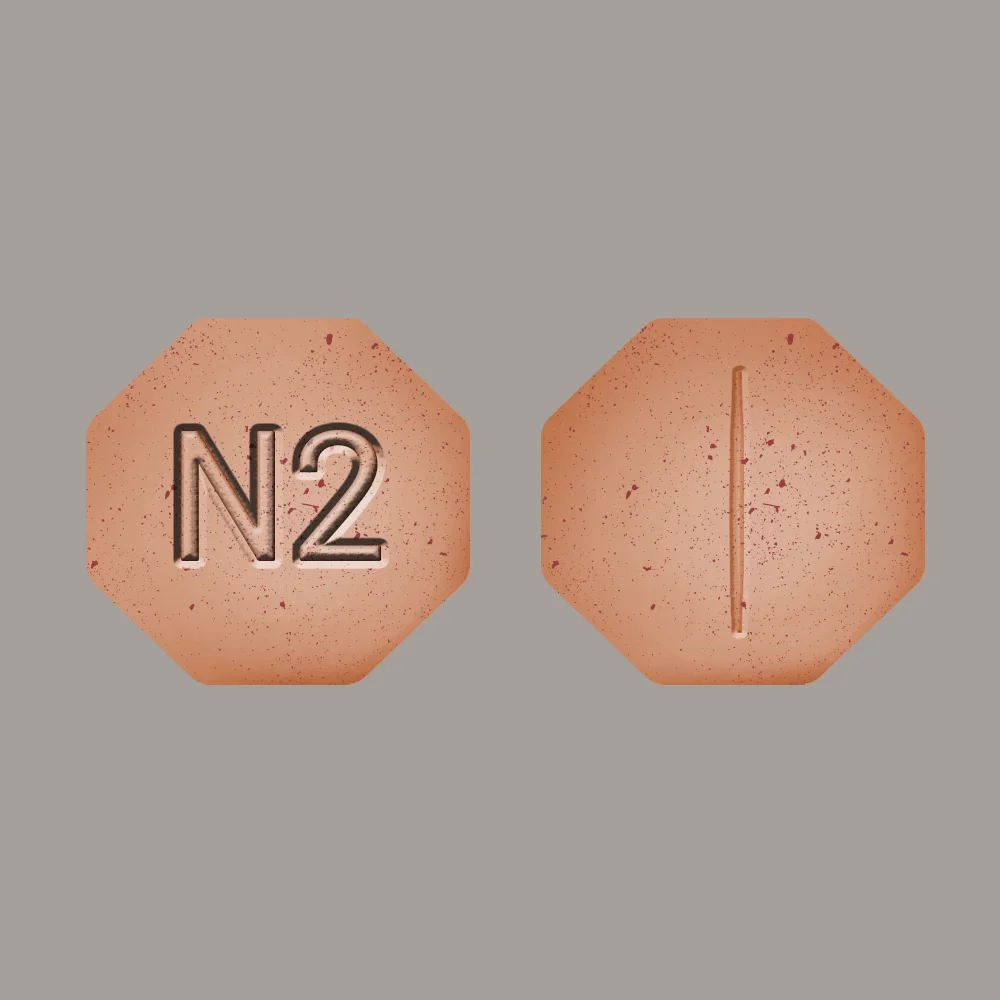
Suboxone 2mg
$307.00Select options This product has multiple variants. The options may be chosen on the product page -
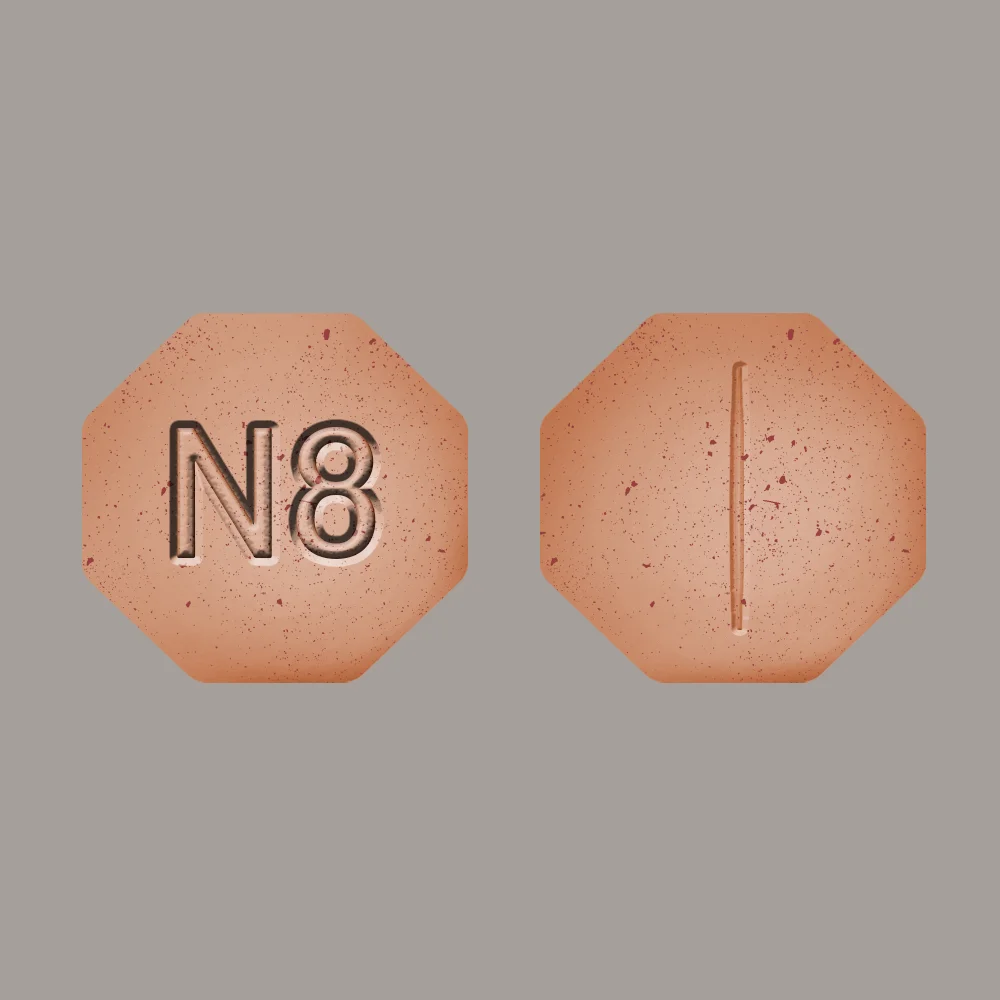
Suboxone 8mg
$327.00Select options This product has multiple variants. The options may be chosen on the product page
Overview
Suboxone is a prescription medication containing buprenorphine and naloxone. It is used as part of medication-assisted treatment for opioid use disorder (OUD). The combination helps reduce opioid withdrawal symptoms and cravings while supporting a structured recovery program.
Buprenorphine is a partial opioid agonist, while naloxone is an opioid antagonist included primarily to discourage misuse of the medication by injection.
Because Suboxone contains an opioid component, it should only be used under appropriate medical supervision. Anyone searching for Buy Suboxone Online should verify that the medication is being obtained through a legitimate, regulated healthcare and pharmacy system and according to applicable prescription requirements.
What Is Suboxone?
Suboxone is the brand name for a combination of buprenorphine and naloxone. It belongs to a group of medicines used in the treatment of opioid dependence and opioid use disorder.
Buprenorphine helps control withdrawal symptoms and opioid cravings. Because it is a partial opioid agonist, it produces opioid effects but generally has a ceiling on some effects compared with full opioid agonists.
Naloxone is included to reduce the potential for misuse of the product through injection.
Suboxone is not simply another painkiller. Its primary role is in the treatment of opioid use disorder as part of a broader treatment plan.
History of Suboxone
Buprenorphine has been used medically for opioid-related conditions for decades. Researchers developed it as a medication capable of producing therapeutic opioid effects while having a different safety and pharmacological profile from full opioid agonists.
The combination of buprenorphine and naloxone was developed to provide an additional safeguard against certain forms of misuse.
Suboxone subsequently became an important medication in opioid-use-disorder treatment, where it can help patients stabilize their condition and participate more effectively in ongoing recovery.
FDA Status of Suboxone
Suboxone is an FDA-approved prescription medication for the treatment of opioid use disorder.
Buprenorphine is a controlled substance in the United States because it has the potential for misuse, dependence, and diversion.
Modern treatment approaches emphasize that medication should be combined with appropriate clinical monitoring and individualized care.
Patients should never obtain or use Suboxone from an unauthorized source. Online sellers that offer prescription medication without appropriate medical evaluation may expose consumers to counterfeit or improperly manufactured products.
Uses of Suboxone
Suboxone is primarily used in the treatment of opioid use disorder.
Treatment may help:
- Reduce opioid cravings
- Control withdrawal symptoms
- Support stabilization during recovery
- Reduce the risk associated with continued illicit opioid use
- Provide a foundation for ongoing behavioral and medical treatment
Suboxone should be used as part of an individualized treatment plan rather than as a standalone solution.
A healthcare professional determines whether buprenorphine-containing treatment is appropriate based on the patient’s opioid use, medical history, current symptoms, and other factors.
How Does Suboxone Work?
Suboxone contains two active ingredients with different functions.
Buprenorphine
Buprenorphine is a partial mu-opioid receptor agonist. It attaches strongly to opioid receptors and can reduce withdrawal symptoms and cravings.
Its partial agonist properties mean it produces a more limited opioid effect than full opioid agonists at higher exposures.
Naloxone
Naloxone is an opioid antagonist. It blocks opioid receptors and is included in Suboxone to help discourage misuse of the medication by injection.
When Suboxone is taken as directed, buprenorphine provides the primary therapeutic effect.
Starting Suboxone Treatment
Starting buprenorphine treatment requires careful timing.
If buprenorphine is taken too soon after certain opioids, it can displace those opioids from receptors and potentially trigger precipitated withdrawal.
For this reason, the beginning of treatment should follow a healthcare professional’s instructions.
Patients should tell their provider which opioids or other substances they have recently used. The timing and approach to treatment can vary depending on the individual’s circumstances.
Do not attempt to determine an induction schedule independently.
How to Buy Suboxone Online Safely
People searching for Buy Suboxone Online should focus on legitimate healthcare access rather than websites promising prescription-free sales.
Before using an online pharmacy or telehealth service, verify that it:
- Uses appropriately licensed healthcare professionals.
- Follows applicable prescription regulations.
- Provides legitimate medication from an authorized pharmacy.
- Protects patient health information.
- Provides clear contact and pharmacy information.
- Offers access to qualified medical or pharmacy professionals.
- Does not make unrealistic promises about recovery.
Be especially cautious of websites offering Suboxone without appropriate medical oversight.
A website’s appearance, customer testimonials, or unusually low price cannot establish that a prescription medicine is authentic or safe.
Suboxone Dosage Guidelines
Suboxone dosing is individualized. The appropriate amount depends on factors including opioid exposure, treatment stage, response to therapy, other medications, and the patient’s medical history.
There is no universally appropriate dose for every patient.
Patients should:
- Follow their prescriber’s instructions exactly.
- Take the medication only as directed.
- Never increase the dose independently.
- Never share Suboxone with another person.
- Avoid changing treatment schedules without medical advice.
- Follow specific instructions for the formulation prescribed.
Suboxone films and tablets may have different administration instructions, so patients should follow the directions supplied with their particular product.
Suboxone Side Effects
Possible side effects include:
- Headache
- Nausea
- Vomiting
- Constipation
- Sweating
- Dizziness
- Fatigue
- Sleep disturbances
- Mouth discomfort with certain formulations
Some symptoms may improve as treatment continues, but persistent or severe reactions should be discussed with a healthcare professional.
Serious Reactions
Seek urgent medical attention for symptoms such as:
- Difficulty breathing
- Severe drowsiness
- Loss of consciousness
- Severe allergic reaction
- Confusion
- Significant weakness
- Symptoms of liver problems
Respiratory depression can occur, particularly when buprenorphine is combined with other substances that suppress the central nervous system.
Suboxone and Alcohol
Alcohol can increase the sedating and respiratory-depressant effects of Suboxone.
Combining Suboxone with alcohol may increase the risk of:
- Severe drowsiness
- Impaired coordination
- Loss of consciousness
- Respiratory depression
- Overdose
Patients receiving buprenorphine treatment should discuss alcohol use honestly with their healthcare provider.
Suboxone Drug Interactions
Suboxone can interact with other medicines and substances.
Important interactions may involve:
- Benzodiazepines
- Other opioids
- Sleeping medications
- Alcohol
- Other central nervous system depressants
- Certain medicines affecting liver enzymes
Combining buprenorphine with sedatives can increase the risk of respiratory depression.
Patients should provide their healthcare professional with a complete list of prescription medications, over-the-counter products, supplements, and recreational substances they use.
Dependence and Withdrawal
Although Suboxone is used to treat opioid use disorder, buprenorphine itself can produce physical dependence.
This means the body can adapt to regular treatment, and stopping it abruptly may cause withdrawal symptoms.
Possible symptoms include:
- Muscle aches
- Sweating
- Anxiety
- Restlessness
- Insomnia
- Runny nose
- Abdominal discomfort
- Nausea
- Diarrhea
Treatment should not be discontinued suddenly without medical guidance.
A healthcare professional can determine whether gradual dose reduction is appropriate and help manage withdrawal symptoms.
Suboxone and Precipitated Withdrawal
One of the important considerations when beginning buprenorphine treatment is precipitated withdrawal.
Buprenorphine binds strongly to opioid receptors. If a person has recently taken a full opioid agonist and begins buprenorphine too early, buprenorphine may displace the other opioid and cause withdrawal symptoms to appear suddenly.
Symptoms can include:
- Sweating
- Chills
- Muscle aches
- Nausea
- Vomiting
- Diarrhea
- Anxiety
- Restlessness
- Increased heart rate
This is one reason Suboxone initiation should be managed according to a clinician’s treatment plan.
Suboxone Overdose
Although buprenorphine has a ceiling effect on respiratory depression compared with full opioid agonists, overdose remains possible.
Risk increases when Suboxone is combined with substances such as alcohol, benzodiazepines, or other sedatives.
Potential overdose symptoms include:
- Extreme sleepiness
- Slow or difficult breathing
- Inability to wake
- Loss of consciousness
- Weakness
- Confusion
Suspected opioid overdose requires immediate emergency medical assistance.
Naloxone, when appropriate and available, can help reverse opioid-related respiratory depression. Emergency medical care should still be obtained even if naloxone is administered.
Who Should Use Extra Caution?
A healthcare professional should evaluate patients carefully before and during Suboxone treatment, particularly those with:
- Breathing disorders
- Liver disease
- Head injuries
- Seizure disorders
- A history of medication misuse
- Other conditions affecting the central nervous system
- Current use of sedating medicines
Older adults may also require additional monitoring because they can be more susceptible to dizziness, sedation, and falls.
Pregnancy and Breastfeeding
Treatment decisions involving Suboxone during pregnancy should be made with a qualified healthcare professional.
Untreated opioid use disorder can itself pose significant risks during pregnancy, so patients should not stop established treatment without medical guidance.
Buprenorphine can also pass into breast milk. Anyone who is pregnant, planning pregnancy, or breastfeeding should discuss the benefits and potential risks of treatment with their healthcare provider.
Suboxone Formulations
Suboxone has been available in formulations such as:
- Sublingual film
- Sublingual/buccal formulations depending on the specific product
These medicines are designed to be absorbed through tissues in the mouth rather than swallowed in the same way as a conventional tablet.
Patients should use the specific administration method supplied with their prescription and product instructions.
Do not alter, cut, crush, or otherwise modify a medication unless a healthcare professional or product instructions specifically permit it.
Recognizing Counterfeit Suboxone
Counterfeit prescription medicines may contain the wrong active ingredient, incorrect strengths, contaminants, or completely unexpected substances.
Potential warning signs include:
- Poor-quality packaging
- Spelling or printing errors
- Missing pharmacy information
- Unusual labeling
- Damaged packaging
- Suspiciously low prices
- Sellers that do not require appropriate prescription authorization
Visual appearance alone cannot reliably confirm whether a medicine is genuine.
If a prescription product looks unusual or there is any question about its authenticity, do not take it until a pharmacist or healthcare professional has evaluated it.
Safe Storage and Disposal
Suboxone should be stored according to the product’s instructions and kept securely.
Because buprenorphine is a controlled substance, appropriate storage is particularly important.
Recommended precautions include:
- Keep medication away from children and pets.
- Store it in its original labeled packaging.
- Do not share it with anyone.
- Keep track of the medication supplied.
- Dispose of unused medication through an appropriate medication take-back or disposal program when available.