
Buy Valium Online
Showing all 2 results
-
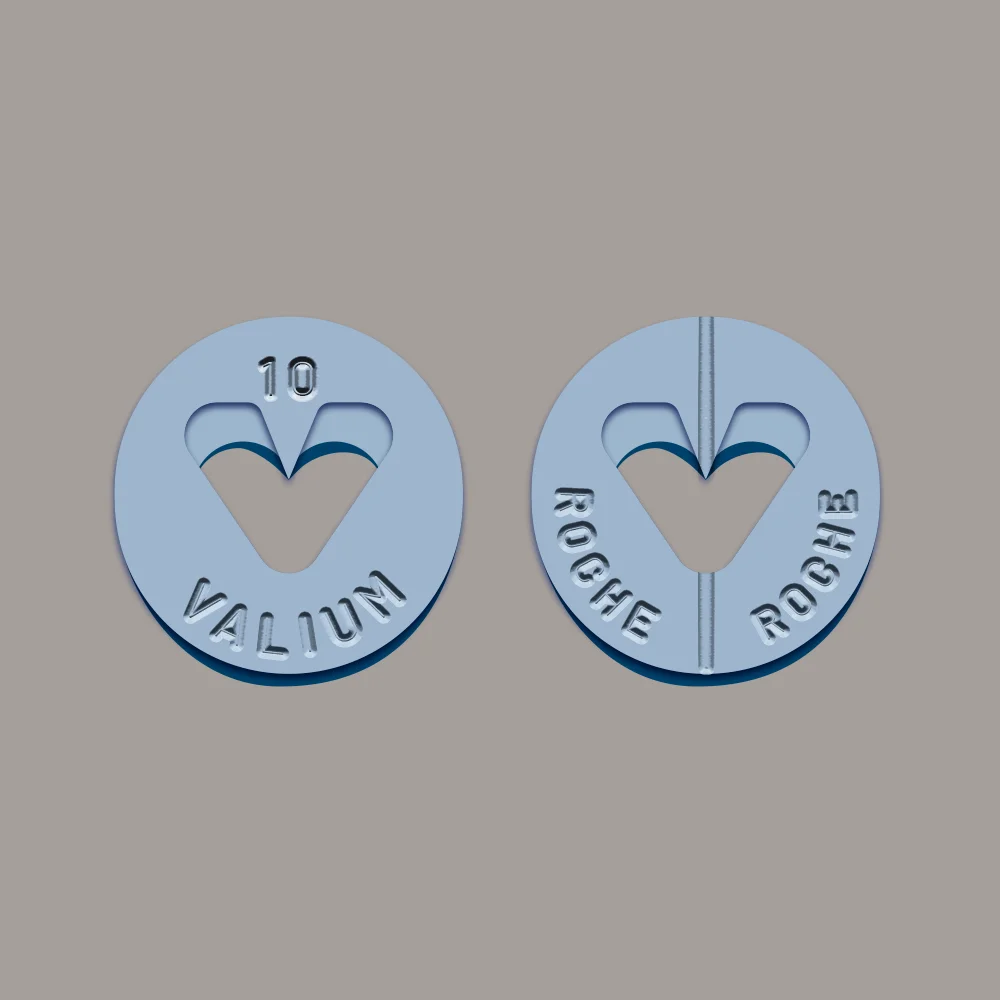
Valium 10mg
$367.00Select options This product has multiple variants. The options may be chosen on the product page -
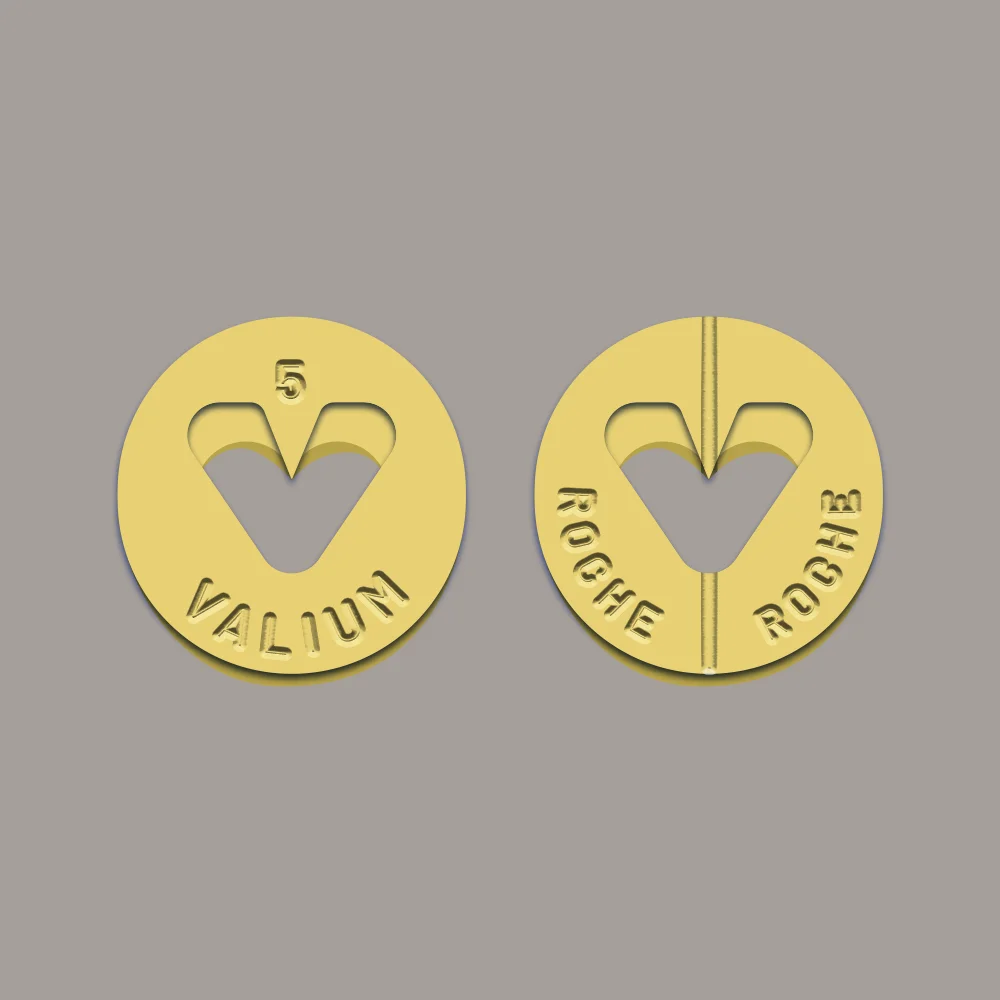
Valium 5mg
$357.00Select options This product has multiple variants. The options may be chosen on the product page
Valium Overview
Valium is the brand name for diazepam, a prescription medication belonging to the benzodiazepine class. It affects the central nervous system and produces calming, muscle-relaxing, anticonvulsant, and sedative effects.
Depending on the clinical situation, diazepam may be prescribed for conditions such as anxiety disorders, certain muscle spasms, symptoms associated with alcohol withdrawal, and particular seizure-related situations. It may also be used as part of treatment for specific medical procedures.
Because diazepam can cause significant sedation, impaired coordination, tolerance, physical dependence, and misuse, it should be taken only under appropriate medical supervision.
People searching for Buy Valium Online should verify that any pharmacy they use is legitimate and follows applicable prescription requirements. Unauthorized sources may supply counterfeit or incorrectly formulated medication.
What Is Valium?
Valium contains diazepam, a long-acting benzodiazepine.
Benzodiazepines work by increasing the effects of gamma-aminobutyric acid (GABA), an inhibitory neurotransmitter that helps regulate activity in the brain and nervous system.
This action can produce:
- Relaxation
- Reduced anxiety
- Sedation
- Muscle relaxation
- Anticonvulsant effects
The same central nervous system effects that provide therapeutic benefits can also cause drowsiness, slowed reaction time, impaired coordination, and other adverse effects.
History of Diazepam
Diazepam was introduced in the 1960s as part of the benzodiazepine family. It became widely used because it provided anxiolytic and sedative effects while also offering muscle-relaxing and anticonvulsant properties.
Valium became one of the most recognizable benzodiazepine medications. However, decades of clinical experience have also demonstrated that benzodiazepines can cause tolerance and physical dependence, particularly with prolonged or inappropriate use.
Modern prescribing therefore emphasizes careful patient selection, appropriate duration of treatment, and monitoring for misuse and dependence.
FDA Status and Controlled-Substance Classification
Valium (diazepam) is a prescription medication in the United States.
Diazepam is federally classified as a Schedule IV controlled substance because it has recognized potential for abuse, misuse, and dependence.
This classification means that patients should obtain diazepam through legitimate prescription channels and use it only according to professional medical instructions.
Websites offering Valium without appropriate prescription requirements should be considered a significant safety warning.
What Is Valium Used For?
Diazepam has several medically recognized applications.
Depending on the patient’s condition, a healthcare professional may prescribe it for:
- Anxiety-related symptoms
- Certain muscle spasms
- Symptoms associated with acute alcohol withdrawal
- Certain seizure disorders
- Sedation before selected medical procedures
The appropriate treatment depends on the underlying condition, the patient’s medical history, and the potential benefits and risks of benzodiazepine therapy.
How Does Valium Work?
Diazepam enhances the activity of GABA in the brain.
GABA naturally reduces excessive electrical activity in the nervous system. By increasing GABA-mediated inhibition, diazepam can produce a calming effect and reduce excessive neurological activity.
This mechanism contributes to its:
- Anxiolytic effects
- Sedative properties
- Muscle-relaxing effects
- Anticonvulsant activity
Because diazepam remains in the body for a relatively long time, its effects and metabolites may persist after administration.
Buy Valium Online: How to Evaluate an Online Pharmacy
The search phrase Buy Valium Online can lead to both legitimate healthcare services and unsafe websites.
When considering an online pharmacy, look for evidence that it:
- Requires a valid prescription where required.
- Clearly identifies the dispensing pharmacy.
- Provides appropriate licensing information.
- Uses qualified healthcare professionals.
- Provides properly labeled medication.
- Maintains secure handling of personal information.
- Does not encourage customers to bypass medical evaluation.
Be especially cautious about websites that promise controlled medications without prescriptions, make unrealistic medical claims, or fail to identify the medication’s manufacturer and source.
Diazepam Dosage Guidelines
There is no universal Valium dose that is appropriate for every patient.
The prescribing professional determines the dose based on factors such as:
- The condition being treated
- Age
- Overall health
- Response to treatment
- Other medications
- Liver function
- History of substance misuse
- Previous exposure to benzodiazepines
Patients should never change their dose independently.
Taking more diazepam than prescribed can increase sedation, impaired coordination, respiratory depression, and overdose risk.
How to Take Valium Safely
Take diazepam exactly as prescribed by your healthcare professional.
Important precautions include:
- Do not take more than prescribed.
- Do not take it more frequently than directed.
- Avoid driving if you experience drowsiness or impaired coordination.
- Do not share the medication.
- Tell your healthcare professional about all other medicines you use.
- Avoid combining it with alcohol or other sedating substances.
- Keep the medication securely stored.
- Do not stop regular treatment abruptly without medical advice.
If symptoms persist, contact your healthcare professional rather than increasing the dose yourself.
Valium Side Effects
Diazepam can produce central nervous system effects.
Common Side Effects
Potential adverse effects include:
- Drowsiness
- Fatigue
- Dizziness
- Muscle weakness
- Reduced coordination
- Slower reaction time
- Confusion
- Difficulty concentrating
These effects can interfere with driving, operating machinery, and other activities requiring alertness.
Serious Side Effects
Seek prompt medical attention for severe symptoms such as:
- Extreme sedation
- Difficulty breathing
- Loss of consciousness
- Severe confusion
- Serious allergic reactions
- Significant changes in behavior
The risk of serious sedation and respiratory depression increases when diazepam is combined with opioids, alcohol, or other central nervous system depressants.
Valium and Alcohol
Alcohol should generally be avoided while taking diazepam.
Alcohol and benzodiazepines both depress the central nervous system. Their combined effects can result in excessive sedation, impaired coordination, respiratory depression, loss of consciousness, and potentially fatal complications.
Discuss alcohol use with your healthcare professional and follow their recommendations.
Valium and Other Medications
Diazepam can interact with numerous medications and substances.
Potentially dangerous combinations include:
- Opioid pain medications
- Other benzodiazepines
- Sleeping medications
- Certain antihistamines
- Muscle relaxants
- Alcohol
- Other central nervous system depressants
Some medicines can also change how diazepam is metabolized, potentially increasing or decreasing its effects.
Provide your prescriber and pharmacist with a complete list of prescription drugs, over-the-counter medicines, and supplements you use.
Dependence, Tolerance and Misuse
Long-term or inappropriate use of diazepam can result in tolerance and physical dependence.
Dependence means that the body has adapted to the medication and may react when it is suddenly stopped. This is different from addiction, although benzodiazepines can also be misused and can lead to a substance-use disorder in some individuals.
Risk can be higher with:
- Prolonged treatment
- Higher doses
- Taking medication more frequently than prescribed
- Combining it with other sedatives
- Personal history of substance misuse
Patients should discuss concerns about dependence with their healthcare professional.
Valium Withdrawal
Stopping diazepam suddenly after regular use can cause withdrawal symptoms.
Possible symptoms include:
- Anxiety
- Restlessness
- Irritability
- Insomnia
- Tremors
- Sweating
- Sensory disturbances
- Muscle discomfort
- Seizures in severe cases
Because withdrawal can sometimes be serious, people who have been taking diazepam regularly should not discontinue treatment abruptly without professional guidance.
A healthcare professional can determine whether a gradual dose reduction is appropriate.
Valium Overdose
Taking excessive amounts of diazepam can cause severe central nervous system depression.
Possible overdose symptoms include:
- Extreme sleepiness
- Confusion
- Slurred speech
- Poor coordination
- Weakness
- Loss of consciousness
- Slow or difficult breathing
The risk becomes substantially greater when diazepam is combined with opioids, alcohol, or other sedatives.
If an overdose is suspected, seek emergency medical assistance immediately.
Who Should Use Extra Caution With Valium?
Diazepam may require additional caution in people with certain health conditions.
Tell your healthcare professional if you have:
- Breathing difficulties
- Sleep apnea
- Liver disease
- Kidney problems
- A history of substance misuse
- A history of severe medication reactions
- Depression or other significant mental-health concerns
Older adults may be more sensitive to benzodiazepines and may have a greater risk of sedation, confusion, impaired balance, and falls.
Pregnancy and Breastfeeding
People who are pregnant, planning pregnancy, or breastfeeding should discuss diazepam with a healthcare professional before using it.
Benzodiazepine exposure during pregnancy may present risks to the developing fetus or newborn. Diazepam can also pass into breast milk.
Treatment decisions should therefore be made individually with professional medical guidance.
Safe Storage and Disposal
Valium should be kept in a secure location and stored according to the pharmacy’s instructions.
Good medication-safety practices include:
- Keep it away from children and pets.
- Never share prescription medication.
- Store it securely to reduce unauthorized access.
- Keep it in its original labeled container when possible.
- Dispose of unused medication through appropriate medication-disposal programs.
Controlled medications require particular care because of their potential for misuse.
Identifying Authentic Valium
Tablet appearance by itself cannot reliably establish medication authenticity.
Do not depend solely on:
- Color
- Shape
- Tablet markings
- Packaging photographs
- Seller reviews
- Website descriptions
If medication arrives with damaged packaging, unusual labeling, unexpected markings, or an unfamiliar appearance, consult a pharmacist before taking it.
Medication purchased from an unauthorized source may contain the wrong ingredient or an unsafe dose.
Alternatives to Valium
The most appropriate alternative depends on the condition being treated.
Depending on the diagnosis, healthcare professionals may consider:
- Cognitive behavioral therapy
- Other evidence-based treatments for anxiety
- Physical therapy for certain muscle conditions
- Non-benzodiazepine medications
- Other anticonvulsant treatments
- Behavioral and lifestyle approaches
For chronic anxiety or insomnia, non-drug approaches may provide important long-term benefits without the dependence risks associated with benzodiazepines.
Frequently Asked Questions
What is Valium used for?
Valium contains diazepam and may be prescribed for anxiety, certain muscle spasms, alcohol-withdrawal symptoms, selected seizure disorders, and procedural sedation.
Is Valium a benzodiazepine?
Yes. Diazepam belongs to the benzodiazepine class of central nervous system depressants.
Is Valium a controlled substance?
Yes. Diazepam is federally classified as a Schedule IV controlled substance in the United States.
Can Valium cause dependence?
Yes. Repeated use can result in physical dependence and tolerance, and misuse can contribute to addiction or a substance-use disorder.
Can Valium be taken with alcohol?
Combining diazepam with alcohol can dangerously increase sedation and central nervous system depression. It should generally be avoided.
Can I stop taking Valium suddenly?
If you have been taking diazepam regularly, stopping suddenly can cause withdrawal and potentially serious complications. Consult your healthcare professional before discontinuing treatment.