
Buy Methadone Online
Showing all 2 results
-
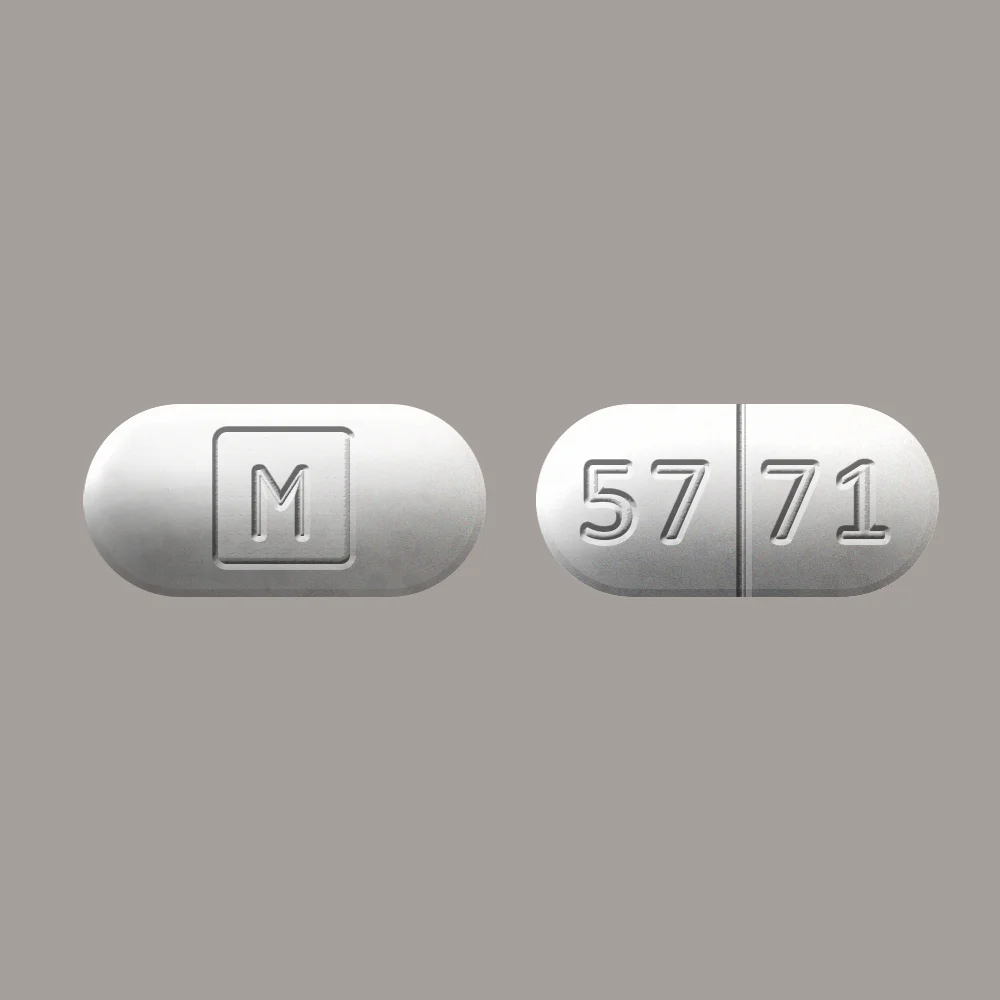
Methadone 10mg
$311.00Select options This product has multiple variants. The options may be chosen on the product page -
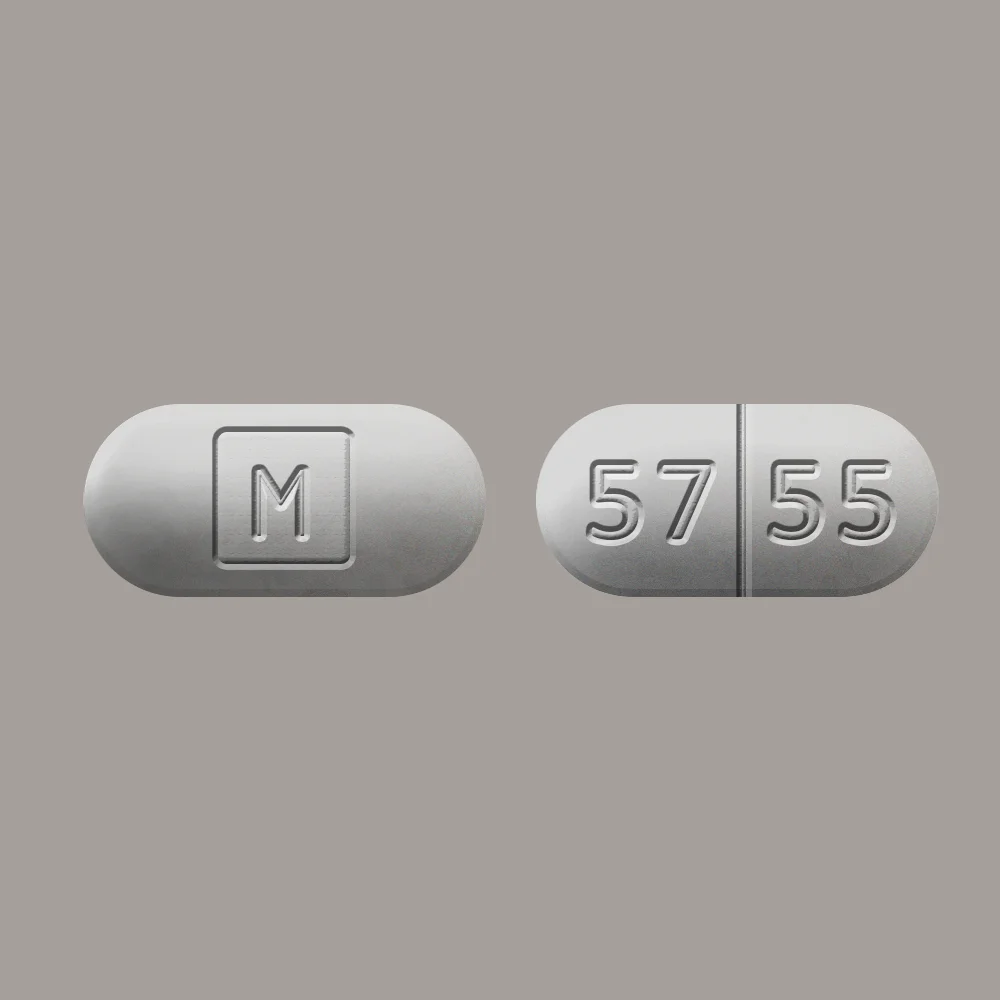
Methadone 5mg
$312.00Select options This product has multiple variants. The options may be chosen on the product page
Methadone Overview
Methadone is a long-acting prescription opioid medication used in carefully supervised medical treatment. It has two important clinical uses: the treatment of opioid use disorder (OUD) and, in certain situations, the management of severe or persistent pain.
When used for opioid use disorder, methadone can help reduce withdrawal symptoms and cravings while providing a stable, longer-lasting opioid effect. For this purpose, treatment in the United States is generally subject to specific federal and state regulations and is commonly provided through certified opioid treatment programs.
Methadone is a powerful medication and can cause serious harm if taken incorrectly. It should only be used exactly as directed by a qualified healthcare professional.
How Does Methadone Work?
Methadone works primarily by activating mu-opioid receptors in the brain and nervous system. These receptors are involved in pain perception, physical dependence, and the effects produced by opioids.
Because methadone acts for a relatively long period, medically supervised treatment can help maintain more stable opioid receptor activity than short-acting opioids. This may help:
- Reduce opioid withdrawal symptoms
- Decrease cravings
- Support long-term treatment and recovery
- Reduce the effects of severe opioid withdrawal
- Provide pain relief in selected medical situations
Methadone also has complex pharmacological properties that distinguish it from many other opioids. It may affect NMDA receptors and certain neurotransmitter systems, although its primary clinical effects are associated with opioid receptor activity.
The way methadone affects an individual can vary depending on factors such as opioid tolerance, medical history, other medications, liver function, and the prescribed treatment plan.
Important Safety Warnings
Methadone can cause serious or life-threatening breathing problems, particularly when treatment is started, the dose is changed, or the medication is combined with other substances that depress the central nervous system.
Use extra caution and discuss your complete medical history with a healthcare professional if you have:
- Asthma or other serious breathing problems
- Sleep apnea
- Heart rhythm problems or a history of long QT syndrome
- Liver or kidney disease
- Seizures or a history of serious neurological conditions
- Alcohol or substance use concerns
- Thyroid, pancreas, or gallbladder problems
- A history of low blood pressure or fainting
- Pregnancy or plans to become pregnant
Never Mix Methadone Without Medical Guidance
Combining methadone with alcohol, benzodiazepines, sedatives, sleeping medications, or other opioids can significantly increase the risk of severe sedation, slowed breathing, overdose, and death.
Tell your healthcare professional about all prescription medicines, over-the-counter drugs, supplements, and substances you use. Do not start or stop another medication without discussing possible interactions with a qualified professional.
Common Side Effects of Methadone
Some people may experience side effects while taking methadone. Common effects can include:
- Drowsiness or sleepiness
- Dizziness or lightheadedness
- Nausea
- Vomiting
- Constipation
- Dry mouth
- Increased sweating
- Headache
These symptoms may occur as the body adjusts to treatment. However, side effects should not be ignored if they are severe, persistent, or worsening.
Serious Side Effects That Need Urgent Medical Attention
Seek emergency medical help for signs of a severe allergic reaction or overdose.
Warning signs can include:
- Very slow, shallow, or difficult breathing
- Extreme drowsiness or inability to wake up
- Blue or gray lips or fingertips
- Fainting
- Severe dizziness
- Seizures
- Irregular or unusually fast heartbeat
- Swelling of the face, lips, tongue, or throat
Call emergency services immediately if an overdose is suspected. Do not wait for symptoms to improve.
Dependence, Tolerance & Withdrawal
Methadone can cause physical dependence. This does not necessarily mean that a person has an opioid use disorder, but it does mean the body may adapt to the medication during ongoing treatment.
Tolerance may also develop, meaning the response to a medication can change over time. Never attempt to increase the dose independently.
Stopping methadone suddenly can cause withdrawal symptoms. A healthcare professional may recommend a gradual and individualized reduction plan when discontinuation is medically appropriate.
Do not change or stop your prescribed dose on your own.
Before Starting Methadone
Before beginning treatment, provide your healthcare professional with accurate information about your medical history and current medications.
Methadone may not be appropriate for everyone. In particular, tell your provider if you have experienced:
- Serious breathing problems
- Severe asthma
- Certain intestinal blockages
- Heart rhythm disorders
- Prolonged QT interval
- Liver or kidney impairment
- Seizures
- Head injury
- Pregnancy-related concerns
Your healthcare team may perform additional assessments, including cardiac evaluation in some situations, to determine whether methadone can be used safely.
Methadone Treatment and Dosing
Methadone dosing is not one-size-fits-all. The appropriate dose depends on the reason for treatment and several individual factors, including:
- The patient’s current medical condition
- Previous opioid exposure and tolerance
- Other medications being taken
- Age and overall health
- Response to treatment
- Risk of sedation and respiratory depression
For opioid use disorder, methadone treatment may involve specific federal and state requirements. It should be provided according to the treatment plan established by an appropriately authorized healthcare professional or opioid treatment program.
Never use a general dosing table as a substitute for individualized medical advice. Never share methadone with another person, and never take more than prescribed.
Driving and Daily Activities
Methadone may cause drowsiness, impaired concentration, or slowed reaction times. Avoid driving, operating machinery, or performing hazardous activities until you know how the medication affects you.
The risk may be greater when:
- Treatment has recently started
- The dose has been changed
- Another sedating medicine has been added
- Alcohol or other substances are used
A healthcare professional can provide guidance based on your individual treatment situation.
Pregnancy and Methadone Treatment
If you are pregnant, planning a pregnancy, or become pregnant during treatment, contact your healthcare provider promptly. Do not stop methadone suddenly without medical supervision.
Pregnancy requires specialized medical guidance. Your healthcare team can evaluate the potential risks and benefits and develop an appropriate treatment plan for both the patient and the baby.
What Do Methadone Tablets Look Like?
The appearance of methadone tablets can differ between manufacturers and formulations. Tablet color, shape, size, and imprints are not identical across all products.
For medication identification, use reliable information from:
- The original prescription label
- The manufacturer’s official product information
- A licensed pharmacist
- An approved medication identification service
Do not rely solely on color or shape to determine whether a medication is authentic. If you receive a medicine that does not match your prescription or appears damaged or suspicious, contact a pharmacist before taking it.
Active and Inactive Ingredients
The active ingredient in most methadone products is methadone hydrochloride.
Inactive ingredients vary depending on the manufacturer and dosage form. Tablets, liquid preparations, and injectable products may contain different substances such as binders, preservatives, flavoring agents, stabilizers, or other pharmaceutical ingredients.
People with allergies or sensitivities should review the specific product information for their prescribed formulation with a pharmacist or healthcare professional.
Safe Use and Storage
Because methadone can be extremely dangerous to children and people for whom it was not prescribed, proper storage is essential.
Keep methadone:
- In its original, properly labeled container
- Securely stored and out of reach of children and others
- Away from unauthorized access
- Separate from food and beverages
- Exactly as directed by your healthcare professional
Never share your medication. Even a single dose that is safe for one person may cause severe harm or death in someone else, particularly a child or an individual without opioid tolerance.
Follow local and professional guidance for the safe disposal of unused or expired medication.
ScriptCoreUSA: Medication Information and Patient Safety
Methadone is a complex, high-risk prescription medication that requires appropriate professional supervision. Patients should obtain individualized guidance from qualified healthcare professionals and follow all applicable laws and treatment requirements.
For accurate information about a specific prescription, speak with your prescribing clinician or licensed pharmacist. Medication decisions should be based on your individual health needs—not on general online information alone.
Conclusion
Methadone plays an important role in the medically supervised treatment of opioid use disorder and may also be used in selected cases of severe pain. However, it carries significant risks, including respiratory depression, dangerous drug interactions, dependence, and overdose.
The safest approach is to follow your individualized treatment plan, take the medication exactly as prescribed, avoid dangerous substance combinations, and maintain communication with qualified healthcare professionals.