
Buy Diazepam Online
Showing all 3 results
-
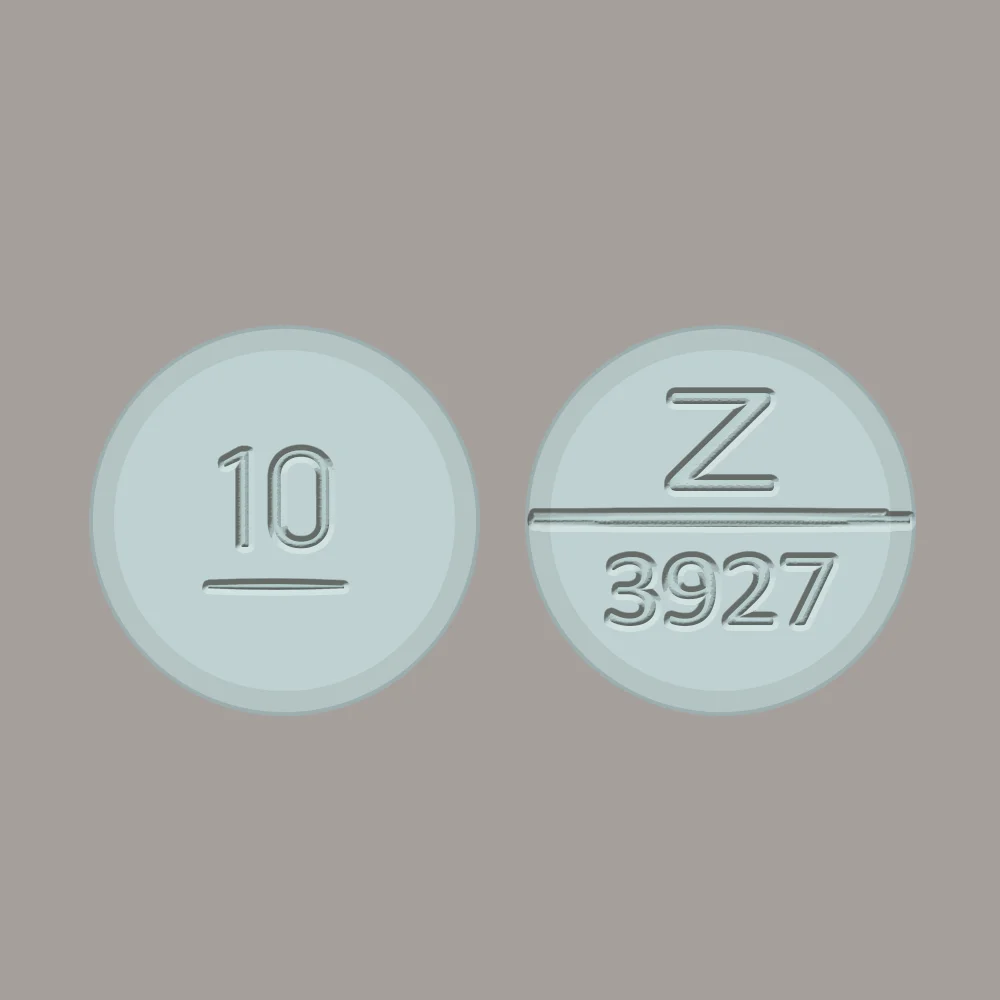
Diazepam 10mg
$310.00Select options This product has multiple variants. The options may be chosen on the product page -
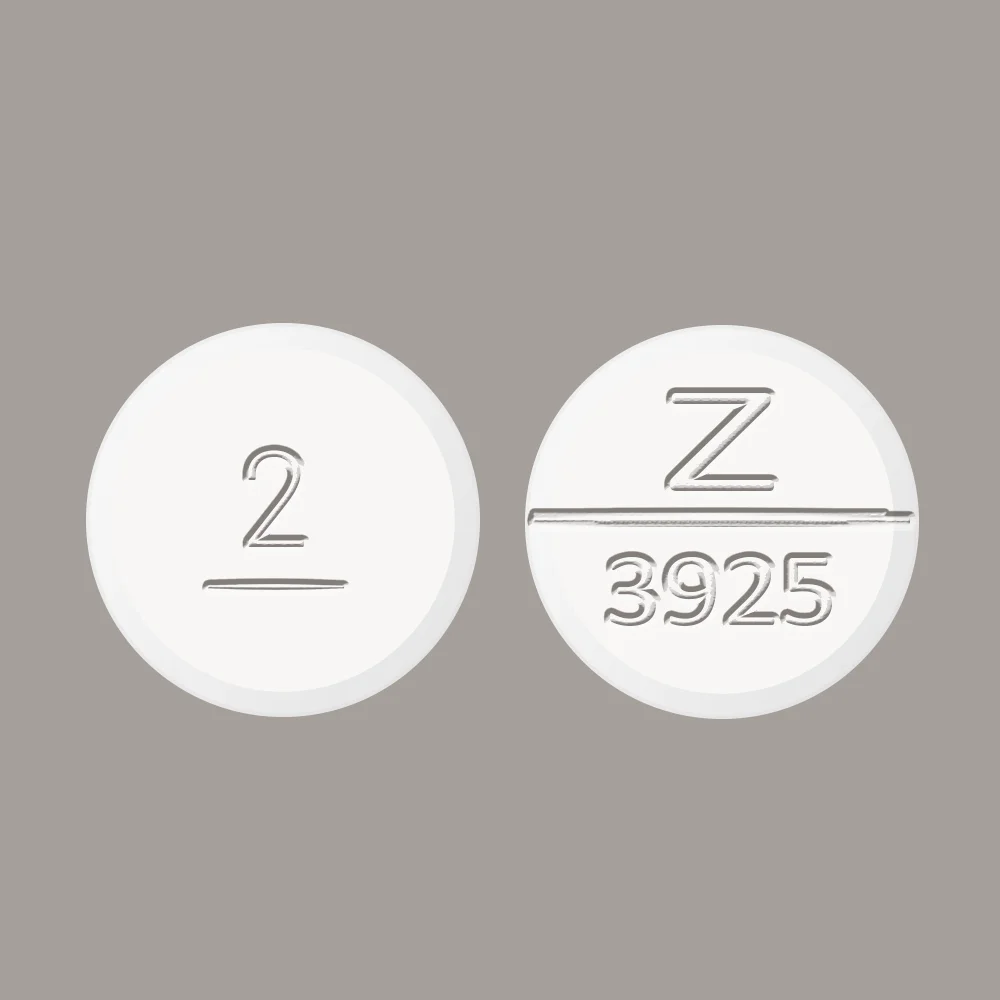
Diazepam 2mg
$307.00Select options This product has multiple variants. The options may be chosen on the product page -
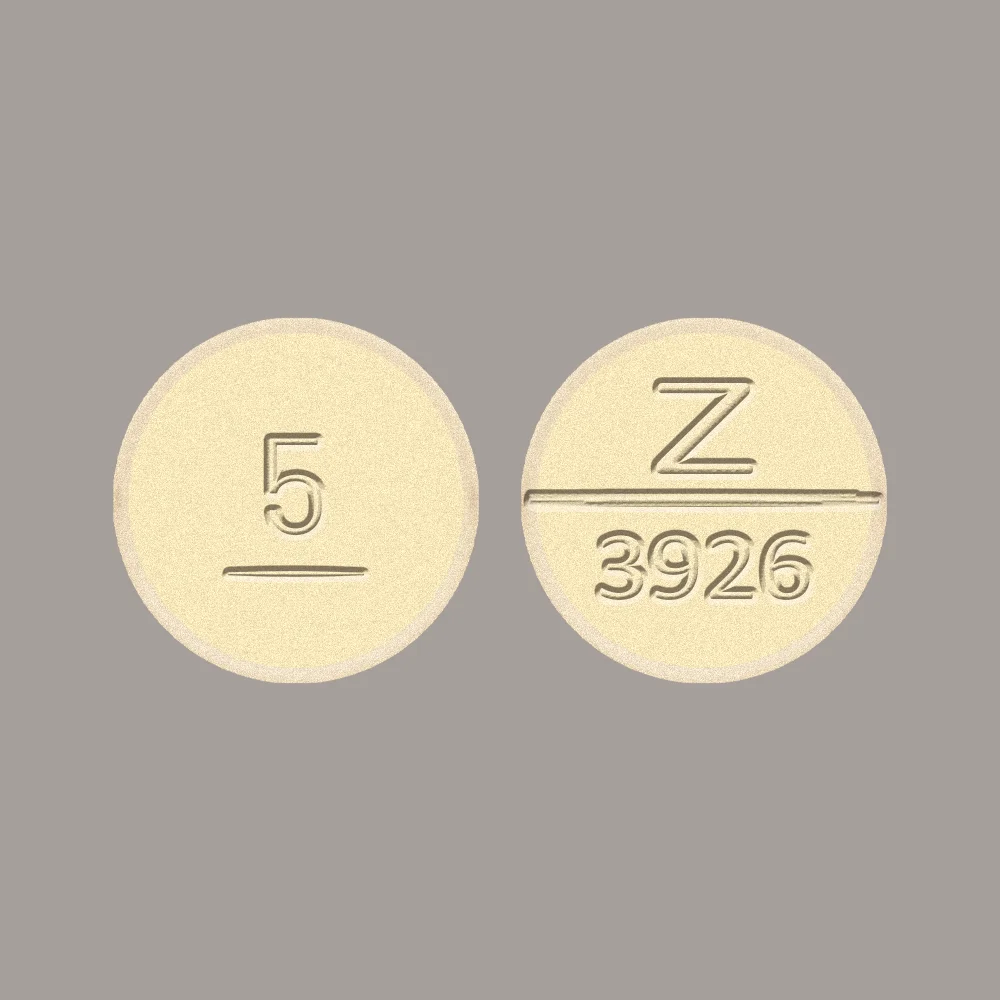
Diazepam 5mg
$309.00Select options This product has multiple variants. The options may be chosen on the product page
Overview of Diazepam
Diazepam is a prescription medicine in the benzodiazepine family. It works on the central nervous system by increasing the effects of gamma-aminobutyric acid (GABA), a neurotransmitter that helps regulate excessive nerve activity.
Healthcare professionals may prescribe diazepam for several specific medical conditions, including certain anxiety disorders, muscle spasms, alcohol-withdrawal symptoms, and particular seizure-related situations. It may also be used for sedation before some medical procedures.
Because diazepam can cause drowsiness, impaired coordination, physical dependence, and withdrawal symptoms, treatment should be supervised by a qualified healthcare professional.
What Is Diazepam Used For?
Depending on the patient’s condition, diazepam may be prescribed for:
- Anxiety disorders: It can help reduce excessive anxiety and nervous-system activity.
- Muscle spasms: Its muscle-relaxing properties can help manage certain forms of muscle spasticity or spasms.
- Alcohol withdrawal: Diazepam may be used under medical supervision to manage specific withdrawal symptoms.
- Certain seizure conditions: It has anticonvulsant properties and may be used in particular clinical circumstances.
- Procedural sedation: Healthcare professionals may use diazepam before selected medical procedures when appropriate.
The appropriate treatment depends on the diagnosis, medical history, age, other medicines, and individual response.
How Does Diazepam Work?
Diazepam enhances the activity of GABA within the central nervous system. This produces calming, muscle-relaxing, and anticonvulsant effects.
The same effects can reduce alertness and coordination. Patients should therefore use caution with driving and other activities requiring concentration until they understand how the medication affects them.
Diazepam Dosage
Diazepam does not have one standard dose that is appropriate for everyone. The prescribed amount depends on the condition being treated, age, medical history, other medications, and response to treatment.
For safe medication use:
- Follow your prescription exactly.
- Do not increase or decrease the dose independently.
- Never take medication prescribed for another person.
- Tell your healthcare professional about all medicines, supplements, and substances you use.
- Discuss any changes in treatment with your prescriber.
Patients using diazepam regularly should not discontinue it suddenly without medical guidance because withdrawal reactions can occur.
Possible Side Effects
Potential side effects of diazepam include:
- Drowsiness or fatigue
- Dizziness
- Muscle weakness
- Reduced coordination
- Difficulty concentrating
- Confusion
- Blurred vision
Side effects can be more pronounced when diazepam is combined with other substances that cause sedation.
Important Safety Information
Diazepam can cause significant central nervous system depression. Combining it with opioids, alcohol, or other sedating medicines can substantially increase the risk of severe sedation and respiratory depression.
Seek emergency medical attention if someone develops:
- Slow or difficult breathing
- Extreme sleepiness or inability to wake
- Loss of consciousness
- Severe confusion
- Unusual or severe weakness
Older adults may be more sensitive to diazepam and can have an increased risk of confusion, impaired coordination, and falls.
Dependence, Tolerance & Withdrawal
Diazepam can cause physical dependence, particularly with prolonged or repeated use. Tolerance may also develop, and the risk of misuse can increase with inappropriate use.
Stopping regular treatment suddenly may produce withdrawal symptoms. Depending on the circumstances, withdrawal can include anxiety, insomnia, agitation, tremors, and potentially serious neurological symptoms.
Any reduction or discontinuation should therefore be planned with a qualified healthcare professional.
Responsible Use of Diazepam
For safer medication management:
- Use diazepam only when prescribed for you.
- Follow the prescribed dose and schedule.
- Never share your medication.
- Avoid alcohol and discuss other sedating medicines with your healthcare professional.
- Do not drive if you are drowsy or impaired.
- Store medication securely and away from children.
- Never stop regular treatment abruptly without medical advice.
Obtaining Diazepam Safely
Diazepam should be obtained through legitimate healthcare and pharmacy channels. If using an online pharmacy, verify that the pharmacy is properly licensed and follows applicable prescription requirements.
Be cautious of websites that offer controlled prescription medicines without appropriate medical evaluation or claim that prescriptions are unnecessary. Unverified medicines may be counterfeit, contaminated, incorrectly dosed, or contain undisclosed ingredients.
Frequently Asked Questions
What is diazepam commonly used for?
Diazepam may be prescribed for certain anxiety disorders, muscle spasms, alcohol-withdrawal symptoms, specific seizure-related conditions, and procedural sedation.
Is diazepam a benzodiazepine?
Yes. Diazepam belongs to the benzodiazepine class of medicines.
Can diazepam make you sleepy?
Yes. Drowsiness and reduced alertness are common potential effects. Avoid driving or hazardous activities if you feel impaired.
Can diazepam be taken with alcohol?
Alcohol can significantly increase diazepam’s sedative effects and may contribute to dangerous breathing problems. Avoid combining them unless specifically directed by a healthcare professional.
Can diazepam cause dependence?
Yes. Regular use can lead to physical dependence and withdrawal. Treatment should be monitored by a healthcare professional, particularly when used for an extended period.
Final Thoughts
Diazepam is a benzodiazepine prescription medicine with several established clinical applications. Its calming, muscle-relaxing, and anticonvulsant properties can be beneficial when appropriately prescribed, but sedation, dependence, withdrawal, and dangerous drug interactions make responsible use essential.
ScriptCoreUSA provides educational information about prescription medications to help readers understand their uses, potential risks, and safety considerations. Always consult a qualified healthcare professional before starting, changing, or discontinuing diazepam, and obtain prescription medicines through legitimate, licensed pharmacy channels.