
Buy Tramadol Online
Showing all 4 results
-
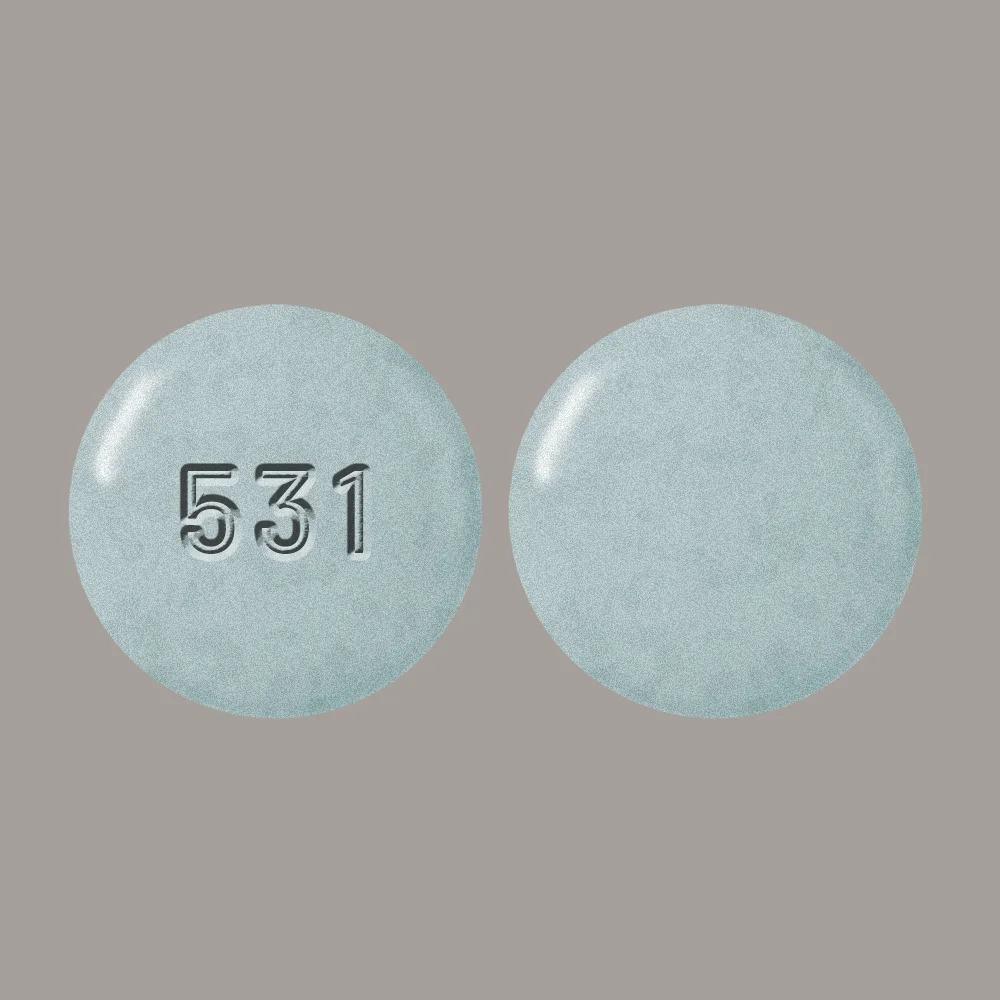
Tramadol 100mg
$313.00Select options This product has multiple variants. The options may be chosen on the product page -
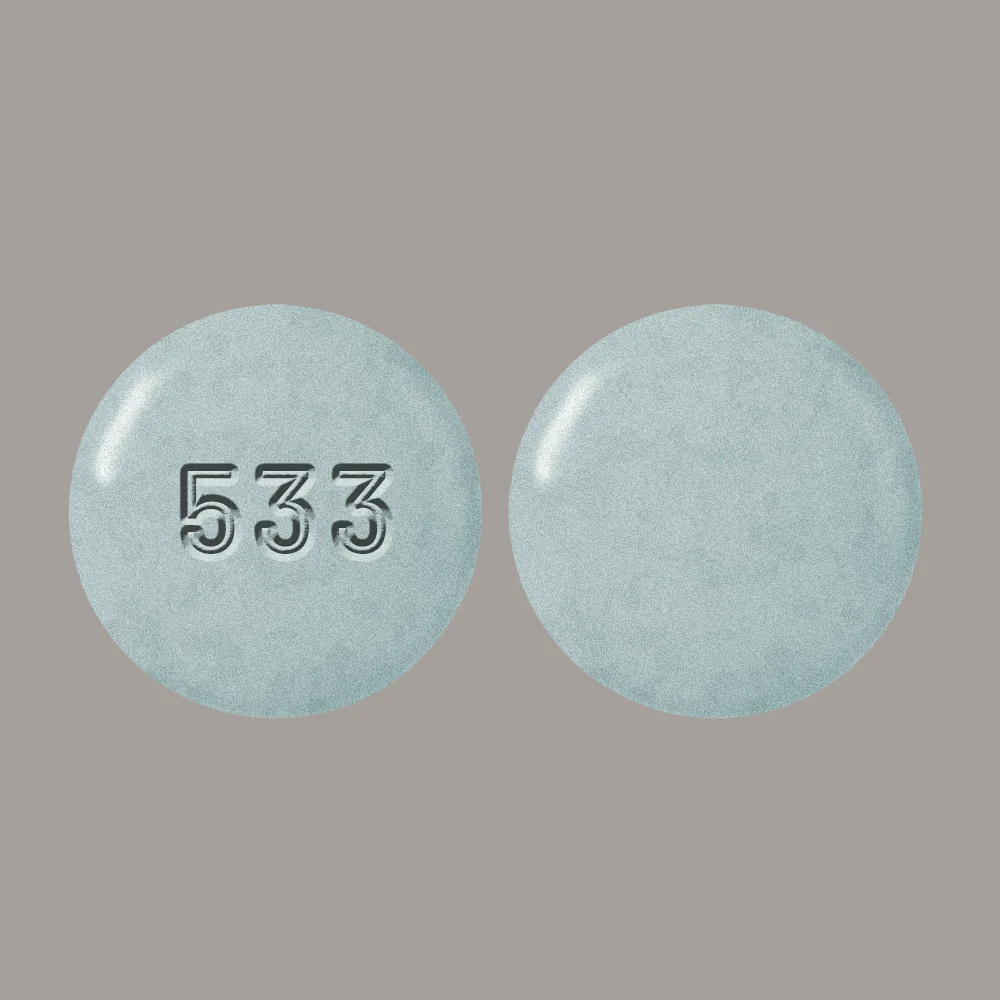
Tramadol 200mg
$314.00Select options This product has multiple variants. The options may be chosen on the product page -

Tramadol 50mg
$314.00Select options This product has multiple variants. The options may be chosen on the product page -
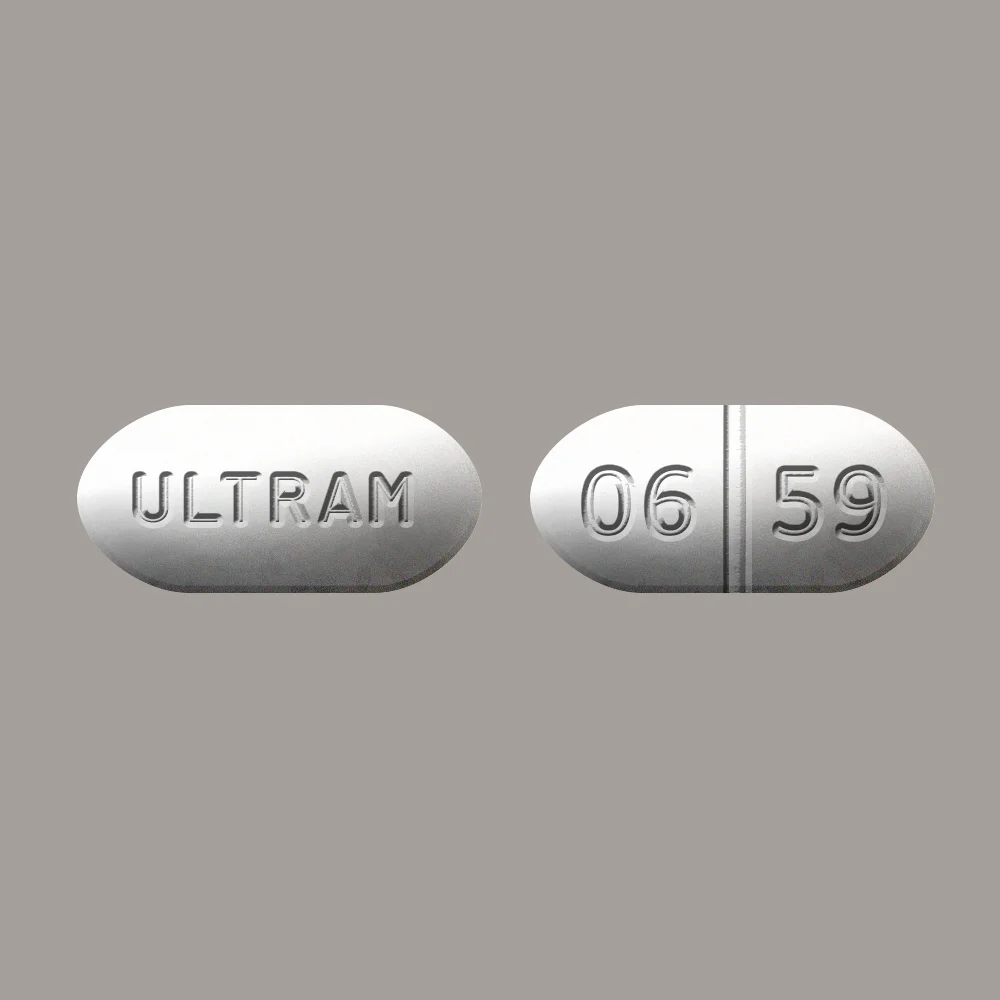
Ultram 50mg
$347.00Select options This product has multiple variants. The options may be chosen on the product page
Overview Of Tramadol
Tramadol is a prescription opioid medication used to manage certain types of pain when a healthcare professional determines that an opioid analgesic is appropriate. It affects the central nervous system by changing how the brain and body perceive and respond to pain.
Because tramadol can cause dependence, misuse, respiratory depression, seizures, and potentially life-threatening overdose, it should only be taken according to a clinician’s instructions.
People searching for Buy Tramadol Online should be especially careful. Prescription medicines purchased through unverified websites may be counterfeit, contaminated, incorrectly labeled, or contain the wrong amount of active ingredient. A legitimate online pharmacy should require a valid prescription and provide appropriate pharmacist support.
What Is Tramadol?
Tramadol is an opioid analgesic prescribed for the management of pain. It is available in different formulations, including immediate-release and extended-release products.
Unlike some stronger opioids, tramadol has multiple effects on the nervous system. It acts at opioid receptors while also influencing the reuptake of neurotransmitters such as norepinephrine and serotonin.
The medication can therefore interact with numerous other medicines, particularly drugs that affect serotonin or lower the seizure threshold.
Tramadol is not appropriate for everyone, and a healthcare professional should determine whether its potential benefits outweigh its risks.
Tramadol History
Tramadol was developed in Germany during the 1960s and was subsequently introduced internationally as an analgesic. Its pharmacological properties distinguish it from traditional opioid medicines because it combines opioid activity with effects on norepinephrine and serotonin pathways.
Over time, tramadol became widely prescribed for pain management. As concerns about opioid misuse and dependence increased, regulators and healthcare professionals placed greater emphasis on appropriate prescribing, patient monitoring, and secure medication handling.
In the United States, tramadol became federally classified as a Schedule IV controlled substance in 2014 because of its potential for abuse, dependence, and misuse.
FDA Status and Controlled-Substance Classification
Tramadol products are prescription medications in the United States. Tramadol is federally classified as a Schedule IV controlled substance.
This classification does not mean that tramadol is inherently unsafe when appropriately prescribed. Instead, it reflects the medication’s potential for misuse, abuse, and dependence.
- Use tramadol only when prescribed by an authorized healthcare professional.
- Follow the prescribed directions carefully.
- Never share tramadol with another person.
- Keep the medication in a secure location.
- Avoid obtaining prescription tramadol from unauthorized sellers.
- Contact a healthcare professional if unwanted effects or withdrawal symptoms occur.
Medical Uses of Tramadol
Tramadol may be prescribed for the management of certain pain conditions. Whether it is appropriate depends on the severity and type of pain, the patient’s medical history, other medications, and available alternatives.
A healthcare professional may consider tramadol when:
- Pain requires prescription-strength treatment.
- Non-opioid approaches have not provided sufficient relief.
- The expected benefits outweigh opioid-related risks.
- The patient can be appropriately monitored.
Tramadol should not be viewed as a general-purpose painkiller or used simply because it is available online.
How Does Tramadol Work?
Tramadol has a complex mechanism of action.
It binds to mu-opioid receptors, which reduces the transmission and perception of pain signals within the nervous system. Tramadol and its active metabolite also affect norepinephrine and serotonin reuptake.
These combined actions contribute to its analgesic effects but also explain some of its important safety concerns.
For example, tramadol may increase the risk of:
- Drowsiness
- Dizziness
- Respiratory depression
- Seizures
- Serotonin syndrome
- Dependence and withdrawal
The medication’s effects can also vary between individuals because metabolism differs from person to person.
How to Buy Tramadol Online Safely
If you are researching Buy Tramadol Online, the most important consideration is not price or delivery speed but whether the pharmacy operates legally and safely.
A legitimate online pharmacy should generally:
- Require a valid prescription when one is legally required.
- Provide access to a licensed pharmacist.
- Clearly identify the business and its licensing information.
- Protect customers’ personal and health information.
- Provide medication with appropriate labeling and packaging.
- Avoid making unrealistic medical claims.
- Have a verifiable physical or professional presence.
Be particularly cautious of websites offering tramadol without a prescription, advertising unusually low prices, or promising guaranteed medical results.
An online search result or professional-looking website does not by itself establish that a pharmacy is legitimate.
Tramadol Dosage Guidelines
Tramadol dosing is individualized by a healthcare professional. The appropriate dose depends on factors such as the formulation being prescribed, pain severity, age, kidney and liver function, other medications, and previous opioid exposure.
Patients should never change the amount or frequency of tramadol without medical advice.
Important principles include:
- Take the medication exactly as prescribed.
- Do not take extra doses to compensate for a missed dose.
- Do not combine different tramadol products unless specifically instructed.
- Do not crush or alter extended-release formulations.
- Ask a pharmacist before combining tramadol with other medicines.
Children and certain older adults may have additional safety considerations, and some patients should not use particular tramadol formulations at all.
Tramadol Side Effects
Common side effects may include:
- Nausea
- Vomiting
- Constipation
- Dizziness
- Headache
- Drowsiness
- Dry mouth
- Fatigue
Some side effects may improve as the body adjusts to treatment, but persistent or severe symptoms should be discussed with a healthcare professional.
Serious Side Effects
Seek urgent medical attention for symptoms such as:
- Slow or difficult breathing
- Extreme sleepiness or inability to wake
- Severe confusion
- Seizures
- Loss of consciousness
- Severe allergic reaction
- Signs of serotonin syndrome
Tramadol can cause serious complications even when it is prescribed appropriately, particularly when combined with certain medications or substances.
Tramadol and Alcohol
Alcohol can increase the sedating effects of tramadol and may significantly increase the risk of respiratory depression, impaired coordination, and overdose.
Patients taking tramadol should discuss alcohol use with their healthcare professional and avoid combinations that have been identified as unsafe.
Never assume that a medication is safe to combine with alcohol simply because the prescribed dose seems low.
Drug Interactions
Tramadol interacts with numerous medications. Some combinations can be particularly dangerous.
Potentially important interactions include certain:
- Antidepressants
- Sedatives
- Benzodiazepines
- Other opioids
- Sleep medications
- Antipsychotic medicines
- Medicines that affect serotonin
- Drugs that alter tramadol metabolism
Combining tramadol with other central nervous system depressants can increase the risk of profound sedation and respiratory depression.
Combining it with serotonergic medicines may increase the risk of serotonin syndrome, while some combinations can increase seizure risk.
Always provide your doctor and pharmacist with a complete list of prescription medicines, over-the-counter products, and supplements you use.
Dependence, Tolerance and Misuse
Tramadol can lead to physical dependence and, in some individuals, addiction.
Tolerance means that a person may require increasing amounts of a drug to achieve the same effect. Physical dependence means the body has adapted to the medication and withdrawal symptoms can occur when it is stopped suddenly.
These concepts are different from addiction, but all deserve careful medical attention.
Signs of problematic use may include:
- Taking more medication than prescribed
- Using tramadol for reasons other than pain
- Repeatedly seeking early refills
- Feeling unable to stop taking it
- Continuing use despite serious consequences
Anyone concerned about dependence should speak with a healthcare professional rather than stopping abruptly without guidance.
Tramadol Withdrawal
Suddenly stopping tramadol after prolonged or regular use can cause withdrawal symptoms.
Possible symptoms include:
- Anxiety
- Restlessness
- Sweating
- Insomnia
- Irritability
- Nausea
- Diarrhea
- Muscle aches
- Chills
- Flu-like discomfort
Some people may also experience unusual sensory or psychological symptoms.
A healthcare professional can determine whether the medication should be gradually reduced and can develop an appropriate discontinuation plan.
Tramadol Overdose
Taking more tramadol than prescribed can result in a medical emergency.
Possible overdose symptoms include:
- Extreme sleepiness
- Slow or shallow breathing
- Confusion
- Loss of consciousness
- Pinpoint pupils
- Seizures
- Weakness
- Cold or clammy skin
An overdose can be fatal.
If an opioid overdose is suspected, seek emergency medical assistance immediately. Naloxone may be used to reverse opioid-related respiratory depression when available and appropriate, but emergency medical care is still necessary.
Never wait for symptoms to become severe before seeking help.
Who Should Exercise Extra Caution?
Tramadol may not be appropriate for individuals with certain medical conditions or risk factors.
Extra caution may be required for people with:
- A history of seizures
- Breathing disorders
- Significant liver or kidney impairment
- Head injuries
- Substance-use disorders
- Certain psychiatric conditions
- Previous opioid-related complications
Older adults may also be more sensitive to dizziness, sedation, and other adverse effects.
A healthcare professional should evaluate individual risk before treatment begins.
Pregnancy and Breastfeeding
Tramadol should not be used during pregnancy or breastfeeding unless specifically recommended by a qualified healthcare professional.
Regular opioid exposure during pregnancy can lead to serious complications, including neonatal withdrawal. Tramadol and its metabolites can also pass into breast milk.
Anyone who is pregnant, planning pregnancy, or breastfeeding should discuss tramadol use with their healthcare provider before taking it.
Tramadol Formulations
Tramadol is available in different prescription formulations. These can include:
- Immediate-release tablets
- Extended-release tablets or capsules
- Certain combination products containing tramadol with another pain-relieving ingredient
Different formulations are not automatically interchangeable.
Extended-release products are designed to release medication over a longer period and should be used exactly as directed. Crushing, chewing, or otherwise altering certain extended-release products can change how the medication is released.
Recognizing Counterfeit Tramadol
Counterfeit medicines can be difficult to identify by appearance alone. Fake products may contain the wrong active ingredient, an incorrect strength, unexpected substances, or contaminants.
Potential warning signs include:
- Missing or inconsistent labeling
- Spelling mistakes on packaging
- Unusual tablets or capsules
- Missing manufacturer information
- Damaged or poorly sealed packaging
- Unusually low prices
- Websites offering prescription opioids without appropriate requirements
Do not rely solely on pill color or appearance to determine authenticity.
If you are uncertain about a medication, ask a pharmacist or healthcare professional before taking it.
Storage and Safe Disposal
Keep tramadol in its original labeled container and store it according to the product’s instructions.
Important precautions include:
- Keep medication away from children and pets.
- Store it securely to prevent unauthorized access.
- Do not share prescription medication.
- Keep track of the amount remaining.
- Dispose of unused medication through an appropriate medication take-back or disposal program when available.