
Buy Gabapentin Online
Showing all 3 results
-
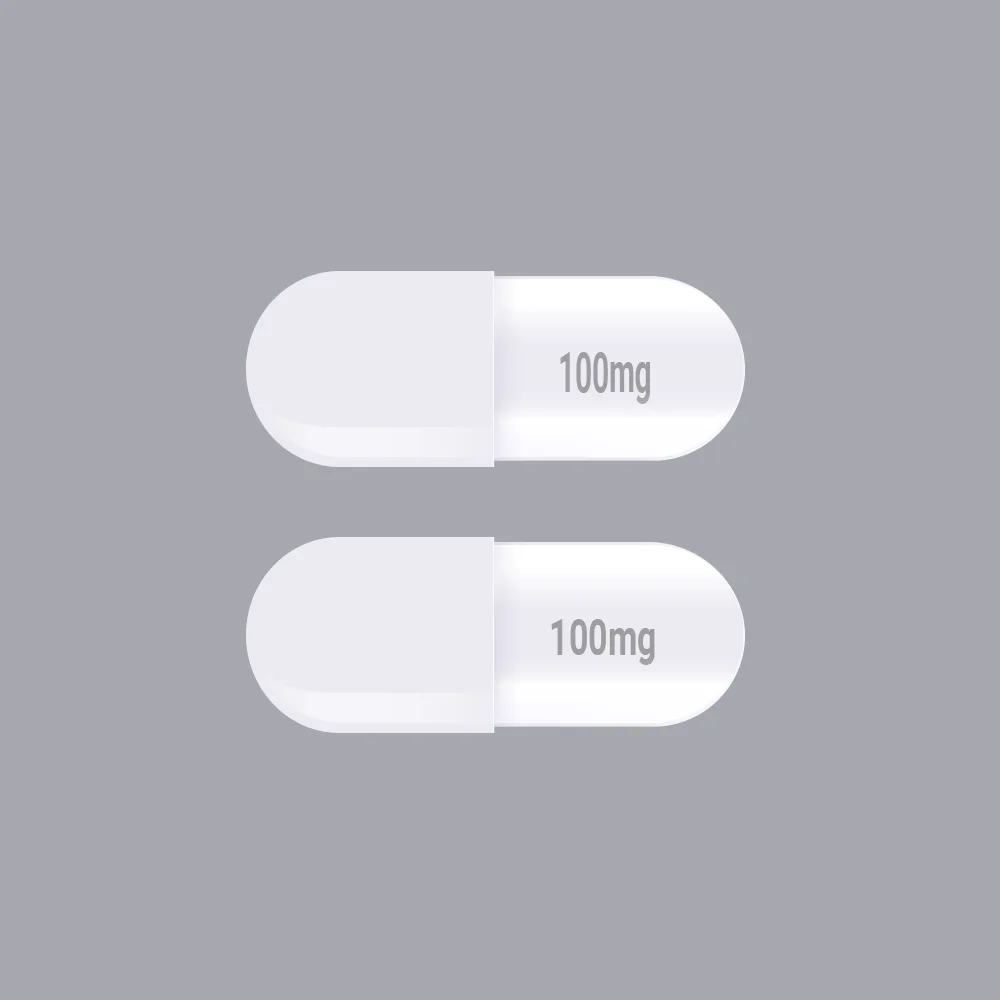
Gabapentin 100mg
$308.00Select options This product has multiple variants. The options may be chosen on the product page -
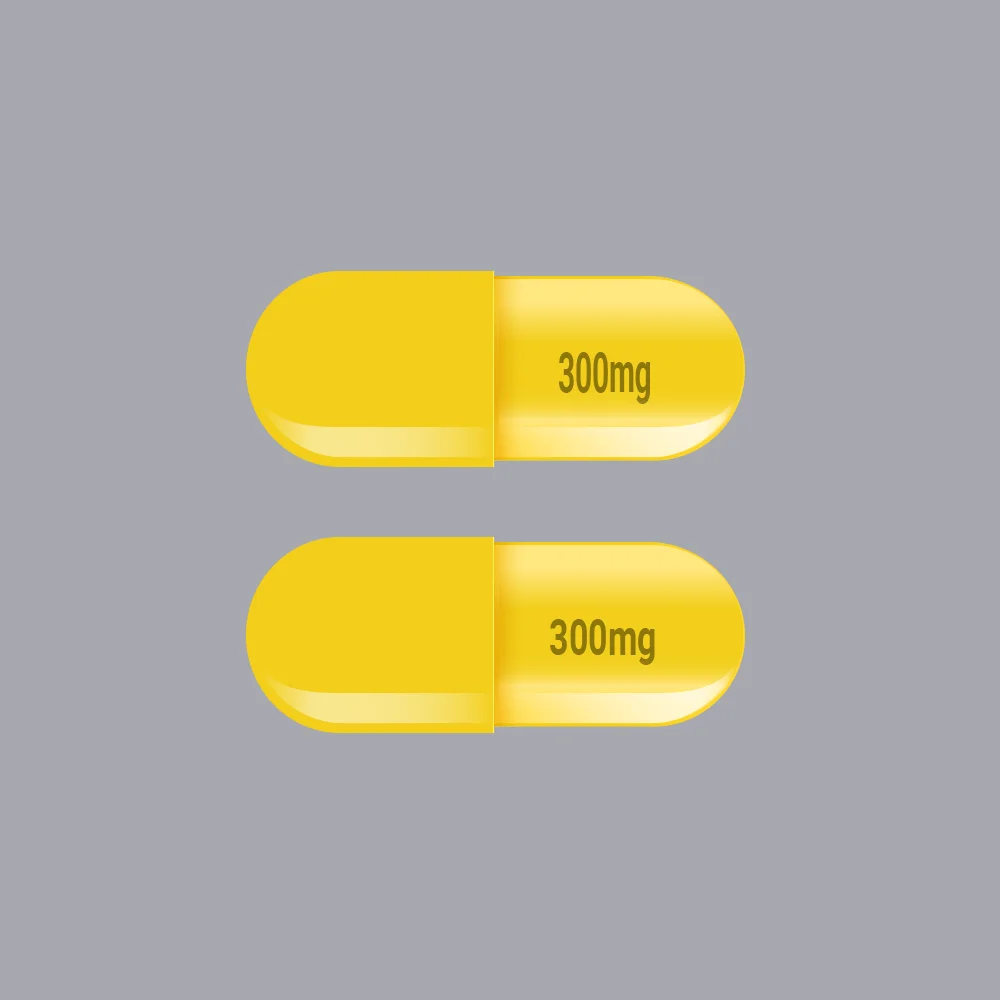
Gabapentin 300mg
$318.00Select options This product has multiple variants. The options may be chosen on the product page -
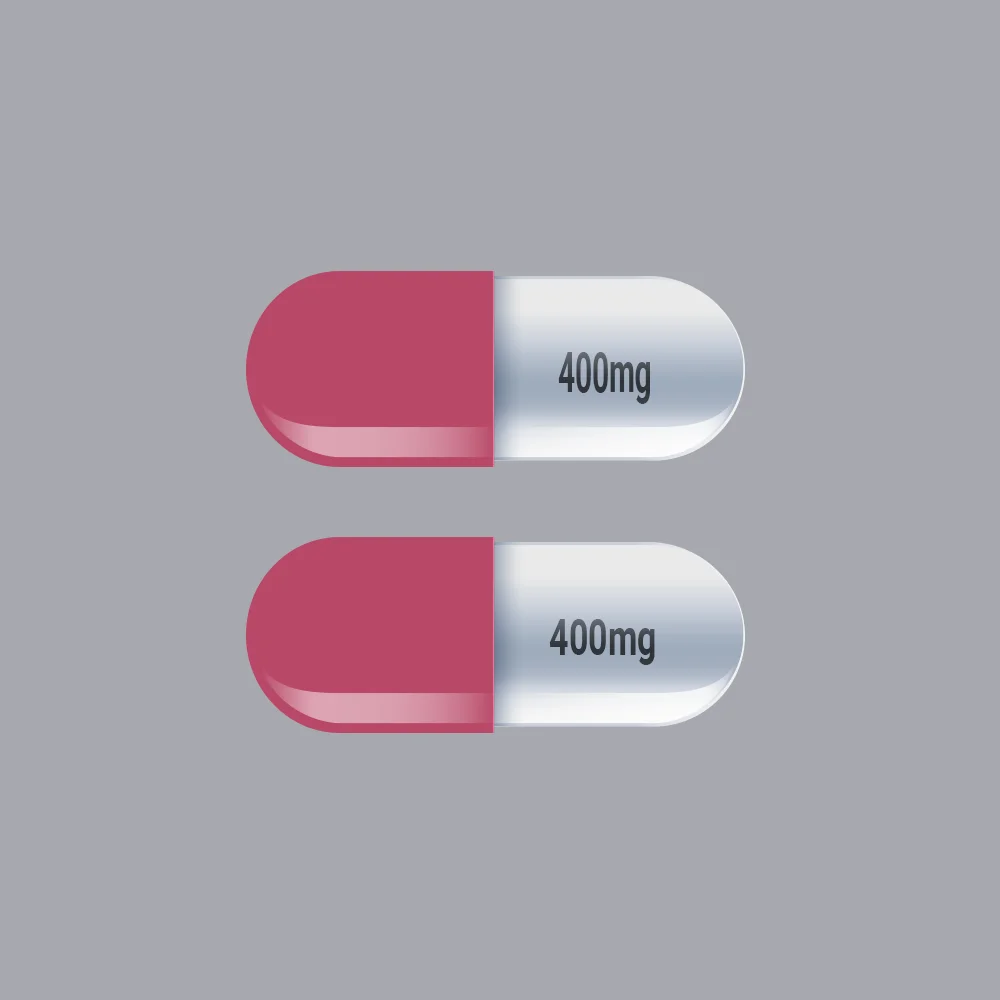
Gabapentin 400mg
$328.00Select options This product has multiple variants. The options may be chosen on the product page
Overview of Gabapentin
Gabapentin is a prescription medicine that affects signaling within the nervous system. It is used for certain types of neuropathic pain and as an adjunctive treatment for specific seizure disorders.
Gabapentin is available in several formulations, including capsules, tablets, and oral solutions. The appropriate formulation and treatment plan depend on the patient’s condition, age, kidney function, and response to therapy.
ScriptCoreUSA provides this information for educational purposes. Medication decisions should always be made with a qualified healthcare professional.
History and Development
Gabapentin was originally developed as a compound related structurally to GABA, a naturally occurring inhibitory neurotransmitter. It was subsequently studied for neurological applications and received FDA approval in the United States in the 1990s.
Since then, gabapentin has become an established medication for specific seizure disorders and certain forms of nerve pain. Healthcare professionals may also prescribe it for other conditions when they determine that such use is appropriate.
FDA-Approved Uses
Gabapentin has established FDA-approved uses that include:
- Postherpetic neuralgia: Treatment of nerve pain that can remain after shingles.
- Partial-onset seizures: Used as adjunctive therapy for certain seizure disorders.
Gabapentin products and indications can differ, so patients should follow the prescribing information associated with their specific medicine.
How Does Gabapentin Work?
Gabapentin does not work by directly converting into or mimicking GABA in the brain. Its exact mechanism is not completely understood.
It is believed to bind to the alpha-2-delta subunit of voltage-gated calcium channels. This can reduce the release of certain excitatory neurotransmitters and help regulate abnormal nerve signaling.
This action is thought to contribute to its effects on neuropathic pain and seizure activity.
Gabapentin Dosage
There is no single dose appropriate for every patient. Treatment is typically individualized according to the condition being treated, age, kidney function, other medications, and response to therapy.
Healthcare professionals may gradually adjust the dose to achieve an appropriate therapeutic response while limiting adverse effects.
Patients should:
- Take gabapentin exactly as prescribed.
- Never increase or decrease the dose independently.
- Follow the specific instructions for their formulation.
- Tell their healthcare professional about all medications and supplements they use.
- Discuss kidney problems or other significant medical conditions before treatment.
People with reduced kidney function may require dosage adjustments because gabapentin is primarily eliminated through the kidneys.
Available Formulations
Gabapentin is available in different dosage forms, including:
- Capsules
- Tablets
- Oral solution
The inactive ingredients can vary between manufacturers and formulations. Patients should check the medication label or official product information for the ingredients specific to their prescription.
Common Side Effects
Gabapentin is generally tolerated by many patients, but side effects can occur. Common effects include:
- Dizziness
- Drowsiness
- Fatigue
- Coordination difficulties
- Blurred or double vision
- Swelling of the hands, feet, or ankles
These effects may be more noticeable when treatment begins or when the dosage is increased.
Serious Side Effects and Warnings
Some reactions require prompt medical attention. Serious risks may include:
- Severe allergic reactions
- Significant swelling
- Difficulty breathing
- Severe or unusual changes in mood or behavior
- Suicidal thoughts or behavior
Gabapentin can also cause serious respiratory depression in certain people, particularly those with respiratory risk factors or those taking other central nervous system depressants.
Seek emergency medical attention for severe breathing difficulties, extreme sedation, loss of consciousness, or other life-threatening symptoms.
Gabapentin and Other Medicines
Gabapentin can interact with substances that cause sedation. Combining it with opioids, alcohol, or other central nervous system depressants may increase drowsiness and the risk of breathing problems.
Before starting treatment, provide your healthcare professional with a complete list of prescription medicines, over-the-counter products, supplements, and other substances you use.
Dependence and Discontinuation
Gabapentin can cause physical dependence in some people, particularly after regular or prolonged use. Stopping treatment suddenly may cause withdrawal-related symptoms or worsening of the condition being treated.
If gabapentin needs to be discontinued, speak with your healthcare professional about an appropriate tapering plan rather than changing the treatment independently.
Pill Identification and Verification
Gabapentin tablets and capsules can vary considerably in color, shape, size, and imprint depending on the manufacturer and strength.
An imprint alone should not be treated as proof that medication is authentic. If you are uncertain about a pill’s identity, do not take it until a pharmacist or other qualified professional has verified it.
Prescription medicines should come from legitimate, regulated pharmacy sources rather than unverified sellers.
Gabapentin Overdose
Taking more gabapentin than prescribed can result in symptoms such as:
- Significant drowsiness
- Dizziness
- Double vision
- Slurred speech
- Loss of coordination
- Lethargy
The severity of an overdose can vary depending on the amount taken and whether other substances were involved.
If an overdose is suspected, contact emergency medical services or a poison-control service promptly rather than waiting for symptoms to worsen.
Safe Use Guidelines
For responsible gabapentin treatment:
- Follow the prescribed dose and schedule.
- Do not take medication prescribed for another person.
- Avoid driving or hazardous activities if you experience dizziness or drowsiness.
- Discuss alcohol and sedating medicines with your healthcare professional.
- Tell your prescriber about kidney problems and other relevant health conditions.
- Do not stop regular treatment suddenly without medical guidance.
- Keep medication securely stored and away from children.
Brand and Generic Versions
Neurontin is a well-known brand associated with gabapentin. Generic gabapentin is also manufactured by multiple pharmaceutical companies.
Although products contain the same active ingredient, inactive ingredients, appearance, packaging, and available formulations can vary between manufacturers.
Patients should follow the product information supplied with their specific prescription.
Obtaining Gabapentin Safely
Gabapentin should be obtained through legitimate healthcare and pharmacy channels. If obtaining prescription medicine through an online pharmacy, verify that the pharmacy is properly licensed and follows applicable prescription requirements.
Avoid websites that promise prescription medicines without appropriate medical oversight or make unusually broad claims about product authenticity, safety, or effectiveness. Unverified medicines can be counterfeit, contaminated, incorrectly dosed, or contain undisclosed ingredients.
Frequently Asked Questions
What is gabapentin primarily used for?
Gabapentin is FDA-approved for postherpetic neuralgia and as adjunctive therapy for certain partial-onset seizures. Healthcare professionals may prescribe it for other conditions when clinically appropriate.
Is gabapentin an opioid?
No. Gabapentin is not an opioid and has a different mechanism of action.
Can gabapentin cause dizziness?
Yes. Dizziness and drowsiness are among its commonly reported effects. Patients should use caution with driving and activities requiring coordination.
Does gabapentin need to be tapered?
People taking gabapentin regularly should discuss discontinuation with their healthcare professional. Suddenly stopping treatment can cause withdrawal-related symptoms or other problems.
Can gabapentin be combined with other medications?
Potential interactions exist, especially with medicines or substances that cause sedation. Always provide your healthcare professional with a complete medication list.
Conclusion
Gabapentin is an established prescription medication used for certain nerve-pain conditions and seizure disorders. Its effects on nerve signaling can provide meaningful therapeutic benefits for appropriately selected patients, but dizziness, sedation, respiratory risks, dependence, and potential interactions should be taken seriously.