
Buy Methylphenidate Online
Showing all 3 results
-
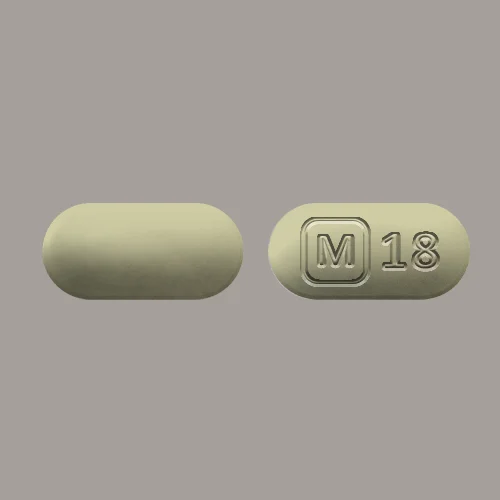
Methylphenidate ER 18mg
$331.00Select options This product has multiple variants. The options may be chosen on the product page -
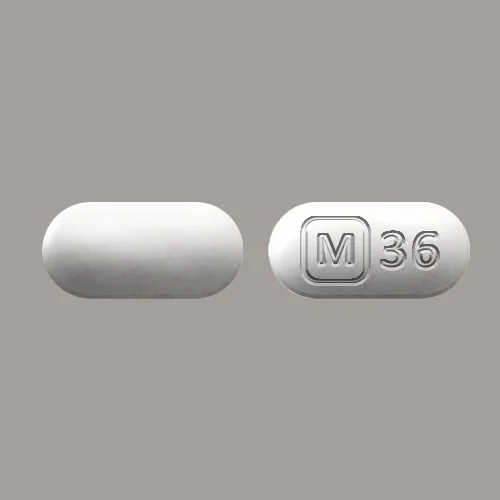
Methylphenidate ER 36mg
$340.00Select options This product has multiple variants. The options may be chosen on the product page -
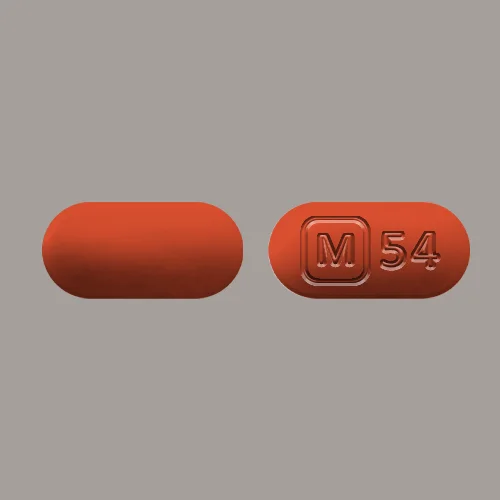
Methylphenidate ER 54mg
$351.00Select options This product has multiple variants. The options may be chosen on the product page
About Methylphenidate
Methylphenidate is a prescription stimulant medication used primarily in the treatment of attention-deficit/hyperactivity disorder (ADHD). It may also be prescribed for narcolepsy, a condition that can cause excessive daytime sleepiness and sudden sleep episodes.
The medication works by affecting certain neurotransmitters in the brain, especially dopamine and norepinephrine. When prescribed appropriately, methylphenidate can help improve attention, concentration, impulse control, and the ability to manage daily tasks.
Methylphenidate is a Schedule II controlled substance in the United States because it has potential for misuse and dependence. For this reason, patients looking for methylphenidate treatment online should work with qualified healthcare professionals and obtain prescriptions and medication through properly licensed channels.
How Does Methylphenidate Work?
Methylphenidate is a central nervous system stimulant. Its primary action involves increasing the availability of dopamine and norepinephrine in certain areas of the brain.
These neurotransmitters are involved in important functions such as:
- Attention and concentration
- Motivation
- Alertness
- Executive functioning
- Impulse control
- Organization
By helping regulate these brain signaling systems, methylphenidate may reduce symptoms of ADHD for appropriately diagnosed patients.
Effects on Dopamine and Norepinephrine
Methylphenidate primarily blocks the reuptake of dopamine and norepinephrine. This allows more of these neurotransmitters to remain active between nerve cells for a longer period.
The response to treatment differs from person to person. A healthcare professional may adjust the treatment plan based on the patient’s symptoms, medical history, age, response to medication, and potential side effects.
Methylphenidate for ADHD
ADHD can affect children, adolescents, and adults. Symptoms may include difficulty maintaining attention, impulsive behavior, hyperactivity, poor organization, or problems completing everyday tasks.
For patients who have received an appropriate diagnosis, methylphenidate may be part of a broader treatment plan that can also include behavioral strategies, counseling, education, and other forms of professional support.
Potential benefits may include:
- Improved ability to focus
- Better task completion
- Reduced impulsive behavior
- Improved organization
- Better attention during work or school activities
- Improved management of ADHD symptoms
Medication is not a replacement for an individualized care plan. Treatment should be regularly reviewed by a qualified healthcare professional.
Methylphenidate for Narcolepsy
Methylphenidate may also be used in certain patients with narcolepsy. As a stimulant, it can help promote wakefulness and reduce excessive daytime sleepiness.
Narcolepsy treatment should be individualized, and a healthcare professional should determine whether methylphenidate is an appropriate option.
Available Forms of Methylphenidate
Methylphenidate is available in several formulations. Depending on the prescribed product, treatment may involve:
- Immediate-release tablets
- Extended-release tablets
- Extended-release capsules
- Long-acting formulations
- Other specialized dosage forms
Different products may release the medication at different rates and are not always interchangeable. Always follow the instructions for the exact product prescribed to you.
A healthcare professional will determine the appropriate formulation based on your individual treatment needs.
Important Safety Warnings
Methylphenidate can cause serious side effects and may not be appropriate for everyone.
Tell your healthcare professional about your complete medical history before starting treatment, particularly if you have:
- Heart disease or a family history of serious heart problems
- High blood pressure
- Irregular heartbeat
- A history of fainting
- Glaucoma
- Seizures
- Circulation problems
- A history of substance misuse
- Mood or mental health concerns
- Tourette syndrome or other tic disorders
- Kidney or liver problems
Your healthcare professional may recommend monitoring your blood pressure, pulse, growth in children, and other aspects of your health during treatment.
Common Side Effects of Methylphenidate
Possible side effects may include:
- Reduced appetite
- Trouble sleeping
- Headache
- Stomach discomfort
- Nausea
- Dry mouth
- Nervousness
- Increased heart rate
- Increased sweating
Some side effects may improve as the body adjusts to treatment. However, patients should report persistent, severe, or concerning symptoms to their healthcare provider.
Serious Side Effects
Seek immediate medical attention for serious symptoms such as:
- Chest pain
- Difficulty breathing
- Fainting
- Signs of a severe allergic reaction
- Seizures
- Severe or unusual changes in behavior
- Hallucinations
- Extremely fast or irregular heartbeat
Contact a healthcare professional promptly if concerning side effects develop.
Dependence and Misuse Risks
Methylphenidate has a recognized potential for misuse, abuse, and dependence. Taking more than prescribed, using someone else’s medication, or taking the drug in a way other than prescribed can be dangerous.
Important safety rules include:
- Never share methylphenidate
- Never increase your dose without medical approval
- Do not crush or alter extended-release products unless specifically instructed
- Store the medication securely
- Keep it away from children and unauthorized individuals
- Follow all controlled-substance laws and prescription requirements
If you have concerns about dependence or substance use, discuss them openly with your healthcare provider.
Drug Interactions and Precautions
Methylphenidate can interact with other medications. Tell your healthcare professional about all prescription medicines, over-the-counter products, vitamins, and supplements you use.
Particular caution may be necessary with:
- Certain antidepressants
- MAO inhibitors
- Blood pressure medications
- Other stimulant medications
- Medicines that affect heart rhythm
- Some cold and decongestant products
Do not start or stop another medication without discussing possible interactions with a qualified healthcare professional.
Who Should Not Use Methylphenidate?
Methylphenidate may not be suitable for every patient. A healthcare professional will evaluate your medical history and determine whether the medication is appropriate.
You should provide complete information about:
- Allergies to medications or ingredients
- Heart and blood pressure conditions
- Mental health history
- Substance-use history
- Pregnancy or plans to become pregnant
- Breastfeeding
- Other medications and supplements
Methylphenidate Dosage Information
The correct dose depends on several individual factors, including the specific formulation prescribed.
Your healthcare professional may consider:
- Age
- Medical condition
- ADHD or narcolepsy treatment requirements
- Previous response to stimulant medication
- Other health conditions
- Current medications
- Side effects during treatment
Do not use a general online dosage guide to select or change your dose. Methylphenidate products have different release characteristics and strengths, so a dose appropriate for one product may not be appropriate for another.
Always take the medication exactly as prescribed.
Missed Doses and Overdose
If you miss a dose, follow the instructions provided by your prescriber or pharmacist. Do not take extra medication to make up for a missed dose unless specifically instructed.
An overdose can be dangerous. Symptoms may include:
- Agitation
- Severe restlessness
- Rapid heartbeat
- High blood pressure
- Vomiting
- Confusion
- Tremors
- Seizures
- Severe changes in mental status
If an overdose is suspected, contact emergency services or a poison control center immediately.
Safe Storage and Disposal
Store methylphenidate in a secure location away from children, visitors, and anyone who is not authorized to use the medication.
Keep it:
- In its original labeled container
- At the storage conditions specified on the prescription label
- Protected from unauthorized access
- Out of reach of children and pets
Do not keep unused controlled medications for unnecessary periods. Ask a pharmacist about approved medication take-back or disposal options.
Getting Methylphenidate Through Licensed Healthcare
For patients seeking information about obtaining methylphenidate online, the safest approach is to use legitimate healthcare and pharmacy services that follow applicable laws and controlled-substance regulations.
A responsible process may involve:
- A proper medical evaluation
- Confirmation that methylphenidate is clinically appropriate
- A valid prescription from an authorized prescriber
- Verification of pharmacy licensing and legitimacy
- Ongoing monitoring when medically necessary
Be cautious of websites that claim to provide methylphenidate without a prescription or bypass required medical evaluation. Controlled medications should only be accessed through legal and appropriately supervised channels.
Conclusion
Methylphenidate is an important prescription treatment for appropriately diagnosed patients with ADHD and, in some cases, narcolepsy. When used under professional supervision, it may help improve attention, alertness, and day-to-day functioning.
Because methylphenidate is a powerful Schedule II controlled substance, responsible treatment is essential. Patients should use the medication exactly as prescribed, attend recommended follow-up appointments, understand possible interactions and side effects, and obtain prescriptions through authorized healthcare providers and properly licensed pharmacies.