
Buy Tapentadol Online
Showing the single result
-
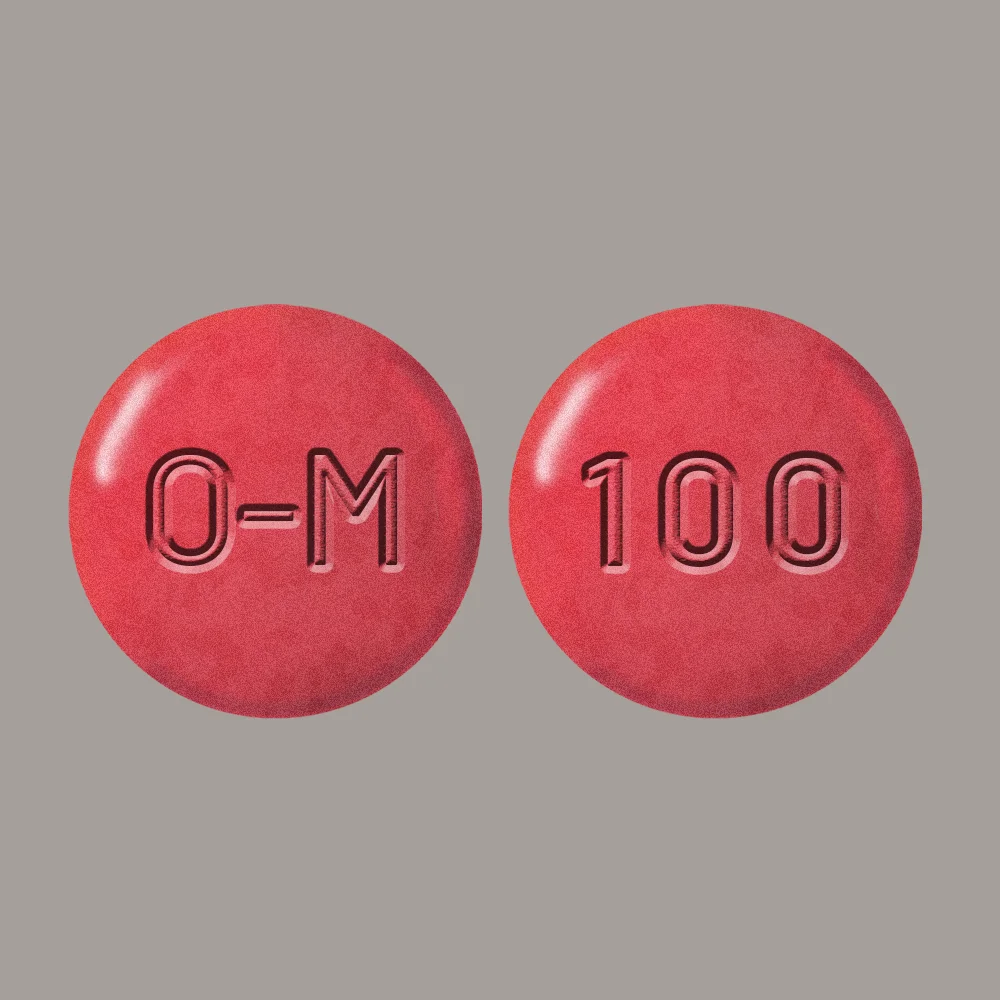
Tapentadol 100mg
$349.00Select options This product has multiple variants. The options may be chosen on the product page
Overview Of Tapentadol
Tapentadol is a prescription pain-relieving medicine used for certain types of moderate-to-severe pain. It has two primary actions in the nervous system: it activates mu-opioid receptors and inhibits the reuptake of norepinephrine. This combination helps reduce the way pain signals are transmitted and perceived.
Because tapentadol is an opioid medication, it can cause drowsiness, respiratory depression, tolerance, physical dependence, misuse, and overdose. Treatment should therefore be guided by a qualified healthcare professional.
People searching for Buy Tapentadol Online should pay particular attention to pharmacy legitimacy. Prescription medicines obtained from unauthorized websites can be counterfeit, incorrectly dosed, contaminated, or contain unexpected ingredients. A legitimate online pharmacy should follow applicable prescription requirements and provide appropriate pharmacist support.
What Is Tapentadol?
Tapentadol is a centrally acting prescription analgesic. It is available in immediate-release and extended-release formulations, with the appropriate formulation selected according to the patient’s medical needs.
Its mechanism differs somewhat from traditional opioid-only pain medicines because tapentadol combines opioid receptor activity with norepinephrine reuptake inhibition.
The medication can be effective for appropriately selected patients, but its opioid component means that careful assessment is important before treatment begins.
Tapentadol History
Tapentadol was developed as a centrally acting analgesic intended to provide pain relief through two complementary mechanisms.
It was subsequently introduced for prescription pain management in several countries. In the United States, tapentadol received FDA approval for specific pain indications, including acute pain sufficiently severe to require an opioid analgesic and, for certain extended-release products, specific chronic pain conditions.
As with other opioid medicines, increasing awareness of opioid-related risks has emphasized appropriate prescribing, monitoring, secure storage, and responsible disposal.
FDA Status and Controlled-Substance Classification
Tapentadol is an FDA-approved prescription medication in the United States and is classified federally as a Schedule II controlled substance.
Schedule II classification reflects the medication’s potential for misuse, abuse, and dependence.
Patients should therefore:
- Use tapentadol only when prescribed.
- Follow the directions supplied by their healthcare professional.
- Never share the medication.
- Keep it secured away from other people.
- Avoid purchasing it from unauthorized sellers.
- Tell their healthcare provider about other medicines they use.
- Seek medical attention for serious or unexpected symptoms.
A website offering tapentadol without appropriate prescription requirements should be treated as a significant warning sign.
Medical Uses of Tapentadol
Tapentadol may be prescribed for certain forms of pain when a clinician determines that an opioid treatment is appropriate.
Depending on the formulation and clinical circumstances, it may be used for:
- Acute pain requiring opioid-level treatment
- Certain severe pain conditions
- Specific forms of chronic pain for which an extended-release formulation is indicated
Treatment decisions depend on the underlying condition, previous treatments, other medications, medical history, and the individual’s risk factors.
Tapentadol is not appropriate for every type of pain, and long-term treatment requires ongoing medical evaluation.
How Does Tapentadol Work?
Tapentadol produces pain-relieving effects through two major mechanisms.
First, it activates mu-opioid receptors within the central nervous system. This reduces the transmission and perception of pain.
Second, tapentadol inhibits the reuptake of norepinephrine. Increased norepinephrine activity contributes to descending pain-control pathways and provides an additional analgesic effect.
Because tapentadol affects the central nervous system, it can also produce unwanted effects such as:
- Sleepiness
- Dizziness
- Impaired coordination
- Respiratory depression
- Nausea
- Constipation
- Confusion
These effects can become substantially more dangerous when tapentadol is combined with alcohol, sedatives, or other medicines that depress the nervous system.
How to Buy Tapentadol Online Safely
If you are researching Buy Tapentadol Online, verify the pharmacy before providing personal information or attempting to obtain medication.
A legitimate online pharmacy should generally:
- Require a valid prescription where required.
- Identify its pharmacy and licensing information.
- Provide access to a pharmacist.
- Use appropriate safeguards for health and payment information.
- Provide properly labeled medication.
- Clearly identify the medication manufacturer or dispensing pharmacy.
- Avoid unrealistic promises about pain relief.
- Follow applicable federal and state regulations.
Be cautious of websites that advertise prescription opioids with no prescription, unusually low prices, guaranteed medical results, or vague business information.
A professional-looking website does not guarantee that the medication it supplies is authentic.
Tapentadol Dosage Guidelines
Tapentadol dosage must be determined by a healthcare professional. The appropriate regimen varies according to the formulation, severity of pain, previous opioid exposure, age, kidney and liver function, and other medications.
There is no single dose that is appropriate for everyone.
Patients should:
- Follow the exact prescription provided.
- Never increase the dose independently.
- Never take tapentadol more frequently than directed.
- Never use someone else’s prescription.
- Avoid combining different tapentadol products unless instructed.
- Follow specific instructions for extended-release formulations.
Extended-release tapentadol products are designed for controlled release and should not be crushed, chewed, or altered unless the product labeling specifically permits it.
Tapentadol Side Effects
Common side effects can include:
- Nausea
- Vomiting
- Constipation
- Dizziness
- Sleepiness
- Headache
- Dry mouth
- Fatigue
These effects can interfere with driving, operating machinery, or other activities requiring alertness.
Serious Side Effects
Serious reactions require prompt medical attention and may include:
- Slow or difficult breathing
- Extreme sedation
- Loss of consciousness
- Severe confusion
- Seizures
- Severe allergic reactions
- Significant changes in blood pressure
- Signs of serotonin toxicity in susceptible combinations
Respiratory depression is one of the most serious risks associated with opioid medications.
Tapentadol and Alcohol
Alcohol can intensify tapentadol’s effects on the central nervous system.
Combining the two may increase the risk of:
- Extreme drowsiness
- Poor coordination
- Loss of consciousness
- Respiratory depression
- Overdose
Patients should discuss alcohol use with their healthcare professional and avoid combinations that have been identified as unsafe.
Drug Interactions
Tapentadol can interact with prescription medicines, over-the-counter products, and other substances.
Particular caution may be necessary with:
- Benzodiazepines
- Other opioids
- Sleeping medicines
- Sedating antihistamines
- Alcohol
- Certain antidepressants
- Other central nervous system depressants
Tapentadol’s effects on norepinephrine also make certain antidepressant combinations clinically important.
Patients should provide their doctor or pharmacist with a complete medication list before starting treatment.
Dependence, Tolerance and Addiction
Tapentadol can cause physical dependence, tolerance, and addiction.
These terms describe different processes.
Tolerance occurs when the body becomes less responsive to a medicine over time.
Physical dependence means withdrawal symptoms can occur when regular use is suddenly stopped.
Addiction involves compulsive drug-seeking or drug use despite harmful consequences.
Risk can vary depending on the duration of treatment, dosage, personal history, and other factors.
Patients should never increase their dose because they believe the medicine has become less effective. A healthcare professional should evaluate inadequate pain control and determine the appropriate next step.
Tapentadol Withdrawal
People who use tapentadol regularly for an extended period may experience withdrawal if treatment is stopped suddenly.
Possible symptoms include:
- Anxiety
- Restlessness
- Sweating
- Insomnia
- Muscle aches
- Nausea
- Diarrhea
- Chills
- Irritability
- Increased pain
A healthcare professional can determine whether gradual dose reduction is appropriate.
Do not abruptly discontinue long-term opioid treatment without medical guidance.
Tapentadol Overdose
Taking more tapentadol than prescribed can result in a potentially fatal overdose.
Possible warning signs include:
- Extremely slow or shallow breathing
- Severe sleepiness
- Inability to wake
- Confusion
- Loss of consciousness
- Weakness
- Cold or clammy skin
- Very small pupils
An opioid overdose is a medical emergency.
If an overdose is suspected, contact emergency services immediately. Naloxone, when available, can reverse opioid-related respiratory depression, but emergency medical evaluation remains essential.
Do not wait for symptoms to become severe before seeking assistance.
Who Should Use Extra Caution?
Tapentadol may present additional risks for individuals with certain health conditions.
A healthcare professional should carefully evaluate patients with:
- Breathing problems
- Asthma or other respiratory disorders
- Head injuries
- Seizure disorders
- Liver impairment
- Kidney impairment
- A history of substance misuse
- Conditions that increase sensitivity to sedating medicines
Older adults may also be more vulnerable to dizziness, falls, sedation, and other adverse effects.
Pregnancy and Breastfeeding
Tapentadol should only be used during pregnancy when a healthcare professional determines that the potential benefits justify the potential risks.
Long-term opioid exposure during pregnancy can result in neonatal opioid withdrawal syndrome.
Patients who are pregnant, planning pregnancy, or breastfeeding should discuss tapentadol treatment with their healthcare provider before using the medicine.
Tapentadol Formulations
Tapentadol is available in different prescription formulations.
These may include:
- Immediate-release tablets
- Extended-release tablets
Immediate-release products and extended-release products have different release characteristics and should not be substituted without professional guidance.
Extended-release medication is designed to provide medication over an extended period. Altering the dosage form can change drug release and increase the risk of serious adverse effects.
Recognizing Counterfeit Tapentadol
Counterfeit prescription medicines can resemble legitimate products closely, making visual identification difficult.
Warning signs can include:
- Poor-quality packaging
- Spelling or printing errors
- Missing manufacturer information
- Unusual tablet appearance
- Damaged packaging
- Inconsistent labeling
- Suspiciously low prices
- Websites offering controlled substances without prescription requirements
Do not assume a tablet is authentic simply because it looks similar to a legitimate medicine.
If there is any uncertainty about a prescription medication, consult a pharmacist before taking it.
Storage and Safe Disposal
Tapentadol should be stored according to the product labeling and kept in a secure location.
Because it is a controlled substance, patients should take additional precautions:
- Keep the medication away from children and visitors.
- Do not share prescription medication.
- Keep tablets in their original labeled container.
- Avoid storing medication where unauthorized people can access it.
- Dispose of unused medication through an appropriate medication take-back program when available.
Proper disposal can help reduce accidental exposure and misuse.