
Buy Buprenorphine Online
Showing all 4 results
-
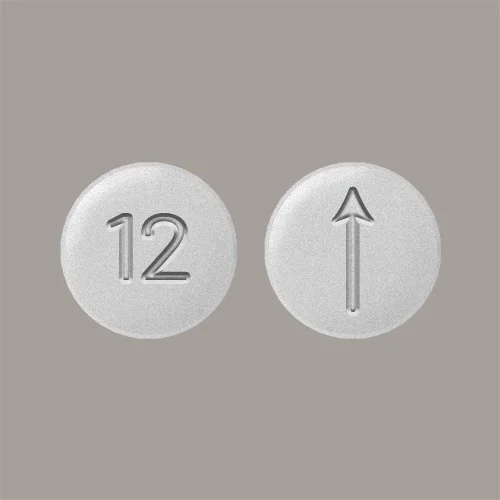
Buprenorphine 12mg
$310.00Select options This product has multiple variants. The options may be chosen on the product page -
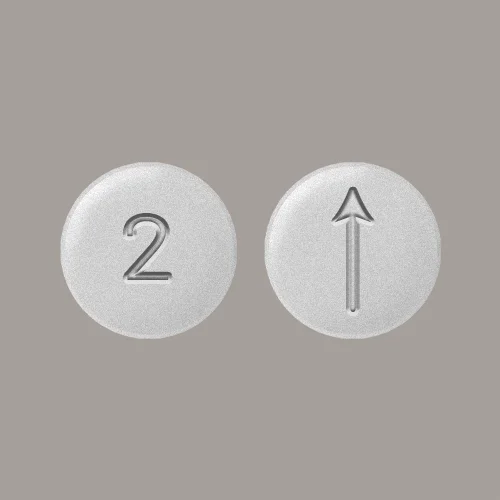
Buprenorphine 2mg
$309.00Select options This product has multiple variants. The options may be chosen on the product page -
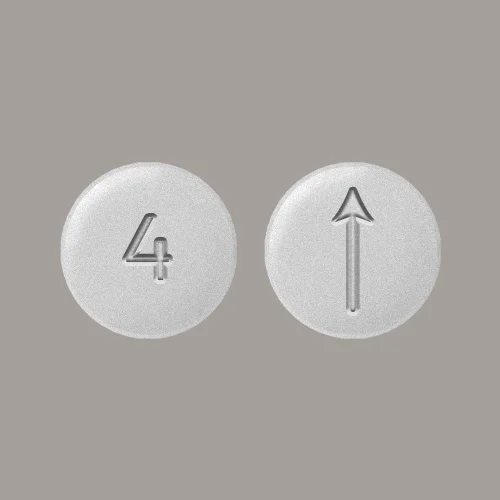
Buprenorphine 4mg
$310.00Select options This product has multiple variants. The options may be chosen on the product page -
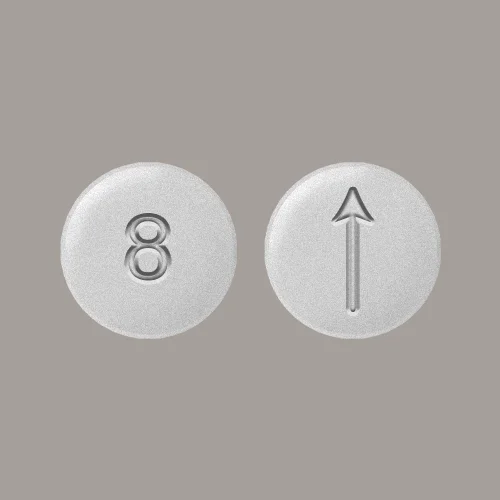
Buprenorphine 8mg
$310.00Select options This product has multiple variants. The options may be chosen on the product page
Overview of Buprenorphine
What Is Buprenorphine?
Buprenorphine is a prescription medication that belongs to the opioid class and is used in several medical settings. It is best known for its role in the treatment of opioid use disorder (OUD), where it can help reduce opioid cravings and withdrawal symptoms. Certain buprenorphine formulations are also used to manage pain.
Unlike full opioid agonists, buprenorphine is a partial opioid agonist. It activates opioid receptors but produces a more limited opioid effect than full agonists. This pharmacological profile allows it to play an important role in evidence-based treatment for opioid dependence.
Buprenorphine is a Schedule III controlled substance in the United States, reflecting its accepted medical uses as well as its potential for misuse and dependence. It should be used only under the supervision of an appropriately qualified healthcare professional.
At StatesidePharma.com, we provide educational information about prescription medications to help patients understand their treatment options and discuss appropriate care with licensed healthcare professionals.
How Does Buprenorphine Work?
Buprenorphine binds strongly to opioid receptors in the brain and nervous system. Because it is a partial agonist, it can activate these receptors enough to reduce withdrawal symptoms and cravings without producing the same level of opioid effects associated with full agonists.
Its strong receptor affinity also means that buprenorphine can reduce the effects of other opioids when it occupies opioid receptors. However, taking buprenorphine at the wrong time after using another opioid can trigger precipitated withdrawal.
For this reason, the timing of treatment initiation should be determined by a healthcare professional familiar with opioid-use-disorder treatment.
Medical Uses of Buprenorphine
Treatment of Opioid Use Disorder
Buprenorphine is an established medication for the treatment of opioid use disorder. As part of a comprehensive treatment program, it can help:
- Reduce opioid cravings
- Control withdrawal symptoms
- Support treatment retention
- Promote stability during recovery
- Reduce the risk associated with illicit opioid use
Medication treatment is often combined with counseling, behavioral support, recovery services, or other forms of ongoing care according to the patient’s needs.
Pain Management
Certain buprenorphine formulations are approved for pain management. The formulation, dosage, and treatment approach used for pain can differ substantially from those used for opioid use disorder.
Patients should therefore use only the specific formulation prescribed for their medical condition.
Buprenorphine Formulations
Buprenorphine is available in several formulations, depending on the medical indication.
For opioid use disorder, formulations can include:
- Sublingual tablets
- Sublingual or buccal films
- Long-acting injectable formulations
Some formulations combine buprenorphine with naloxone. Naloxone is included to discourage inappropriate injection or misuse of the medication.
Other buprenorphine formulations are specifically designed for pain management.
Because formulations are not interchangeable on a simple milligram-for-milligram basis, patients should never switch products without professional guidance.
Buprenorphine Dosage
There is no universal buprenorphine dose that applies to every patient. Treatment is individualized according to factors such as:
- Current opioid use
- Degree of physical dependence
- Withdrawal symptoms
- Previous treatment history
- Other medications
- Liver function
- Medical conditions
- Response to treatment
For opioid use disorder, treatment commonly begins under clinical supervision, with subsequent adjustments based on withdrawal control, cravings, side effects, and treatment response.
Do not use dosage information from another patient’s prescription as a substitute for medical advice.
How Buprenorphine Is Taken
The instructions depend on the specific product prescribed.
For sublingual or buccal products, patients should follow the manufacturer’s and prescriber’s directions carefully. The medication may need to remain in the appropriate area of the mouth until it dissolves.
Do not chew, swallow, alter, or otherwise manipulate a formulation unless your healthcare professional or pharmacist specifically instructs you to do so.
Patients should also maintain a consistent treatment schedule and avoid making independent dose changes.
Common Side Effects
Buprenorphine can cause side effects, although not everyone experiences them. Possible reactions include:
- Headache
- Nausea
- Vomiting
- Constipation
- Sweating
- Dizziness
- Fatigue
- Sleep disturbances
- Dry mouth
Contact your healthcare professional if side effects are persistent, severe, or interfere with normal activities.
Serious Risks and Warnings
Although buprenorphine has a different pharmacological profile from full opioid agonists, it is still an opioid medication and can cause serious complications.
One of the most important risks is respiratory depression, particularly when buprenorphine is combined with other substances that slow the central nervous system.
Combining buprenorphine with alcohol, benzodiazepines, other sedatives, or certain other medications can increase the risk of excessive sedation, respiratory depression, coma, or death.
Seek emergency medical attention if someone taking buprenorphine develops severe difficulty breathing, cannot be awakened, becomes extremely sedated, or loses consciousness.
Dependence and Withdrawal
Buprenorphine can cause physical dependence. This does not mean that treatment for opioid use disorder has failed; physical dependence is a known physiological effect of opioid medications.
Stopping treatment abruptly can produce withdrawal symptoms. Patients should therefore discuss discontinuation with their healthcare professional rather than stopping treatment independently.
A clinician can determine whether gradual dose reduction or another treatment approach is appropriate.
Liver and Other Health Considerations
Buprenorphine is processed by the liver, so patients with liver disease may require additional medical evaluation or monitoring.
Tell your healthcare professional if you have:
- Liver disease
- Breathing problems
- Sleep apnea
- A history of substance-use disorders
- Head injury or increased intracranial pressure
- Pregnancy or plans to become pregnant
- Other significant medical conditions
Also provide a complete list of prescription medicines, over-the-counter products, supplements, and recreational substances you use.
Buprenorphine and Naloxone
Some medications for opioid use disorder contain both buprenorphine and naloxone.
Buprenorphine helps control withdrawal and cravings, while naloxone is included primarily to discourage certain forms of misuse. These combination products are commonly used in medication treatment for opioid use disorder.
Your healthcare professional can explain which formulation is appropriate based on your treatment needs.
Buprenorphine and Recovery
Medication treatment is an evidence-based component of care for opioid use disorder. Buprenorphine can provide greater stability by reducing withdrawal and cravings, allowing patients to focus on longer-term recovery goals.
Treatment may also involve:
- Behavioral counseling
- Mental-health support
- Recovery coaching
- Peer-support programs
- Primary healthcare
- Overdose-prevention education
- Naloxone access when appropriate
Recovery is individualized, and the most appropriate combination of services depends on the patient’s circumstances.
Obtaining Buprenorphine Through Legitimate Healthcare Channels
Because buprenorphine is a controlled prescription medication, patients should obtain it through an appropriate healthcare professional and legitimate pharmacy or treatment program.
When considering online care, look for services that:
- Conduct an appropriate medical evaluation.
- Use qualified, authorized healthcare professionals.
- Provide a legitimate prescription when treatment is medically appropriate.
- Clearly identify the dispensing pharmacy or treatment provider.
- Provide pharmacist or clinical support when questions arise.
- Follow applicable federal and state requirements.
Avoid websites offering controlled medications without appropriate medical evaluation or promising prescription-free access.
Frequently Asked Questions
What is buprenorphine primarily used for?
Buprenorphine is widely used as medication treatment for opioid use disorder. Certain formulations are also approved for pain management.
Is buprenorphine an opioid?
Yes. Buprenorphine is an opioid, but it is classified as a partial opioid agonist rather than a full opioid agonist.
Can buprenorphine cause dependence?
Yes. Physical dependence can develop with ongoing use. This is different from addiction and should be managed through appropriate medical supervision.
Can buprenorphine be taken with alcohol?
Combining buprenorphine with alcohol can increase sedation and respiratory-depression risks. Avoid the combination and discuss all substance use with your healthcare professional.
What happens if buprenorphine is taken too soon after another opioid?
Starting buprenorphine at an inappropriate point during opioid withdrawal can cause precipitated withdrawal. A qualified healthcare professional should guide the timing of treatment initiation.
Can I stop buprenorphine suddenly?
Stopping suddenly can cause withdrawal symptoms. Talk with your healthcare professional before changing or discontinuing treatment.
Conclusion
Buprenorphine is an important prescription medication with established roles in opioid use disorder treatment and pain management. Its partial opioid agonist properties can help control cravings and withdrawal while offering a different risk profile from full opioid agonists.
However, buprenorphine remains a controlled opioid medication and requires responsible medical supervision. Potential risks include respiratory depression, drug interactions, misuse, dependence, and withdrawal.
For anyone researching buprenorphine online, the safest approach is to work with qualified healthcare professionals and legitimate, appropriately licensed pharmacies or treatment programs. Medication should be obtained through lawful prescription channels and used exactly as directed.