
Buy Klonopin Online
Showing all 3 results
-
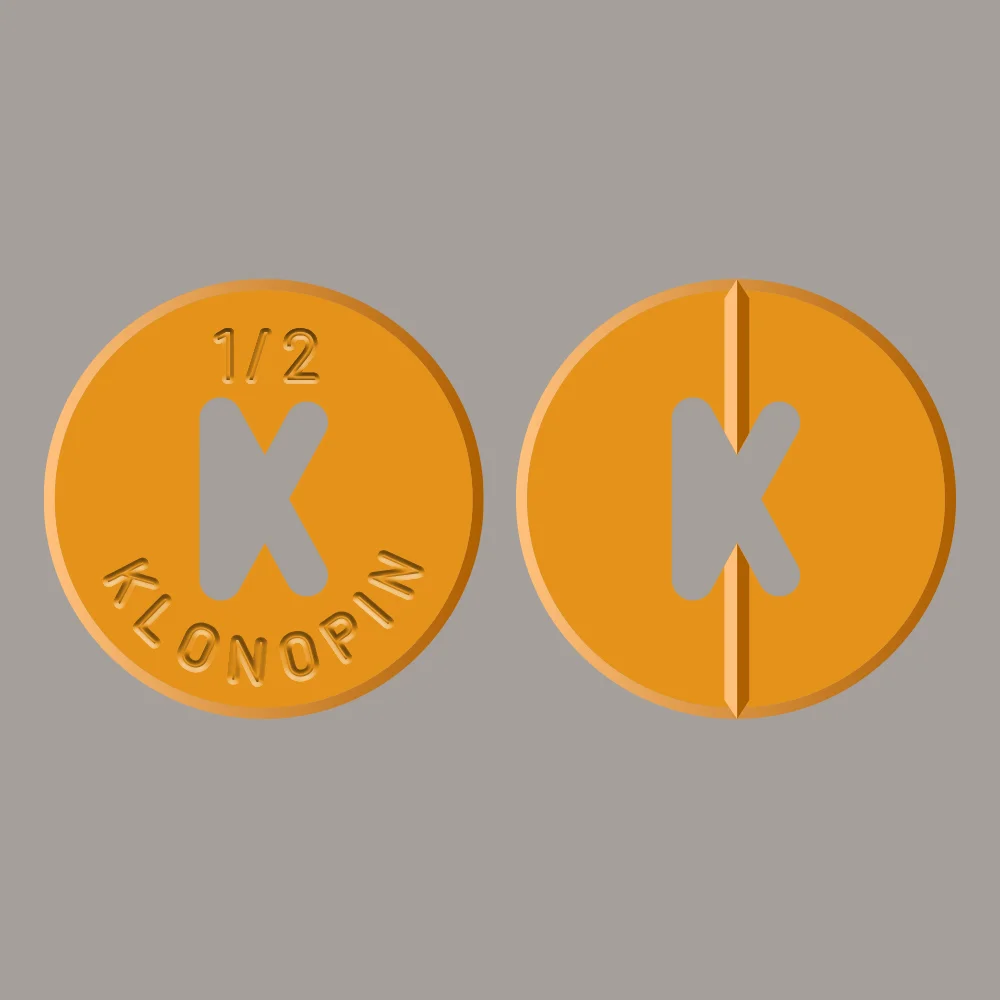
Klonopin 0.5mg
$308.00Select options This product has multiple variants. The options may be chosen on the product page -
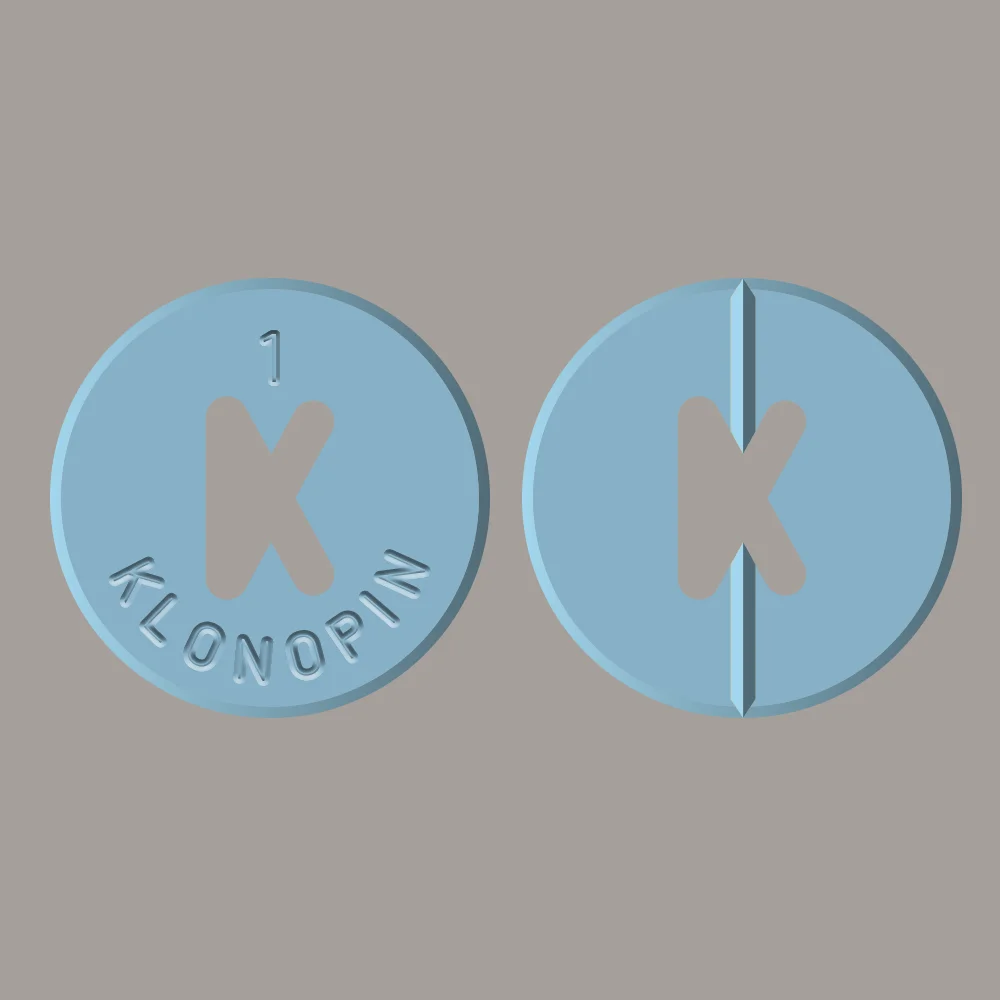
Klonopin 1mg
$328.00Select options This product has multiple variants. The options may be chosen on the product page -
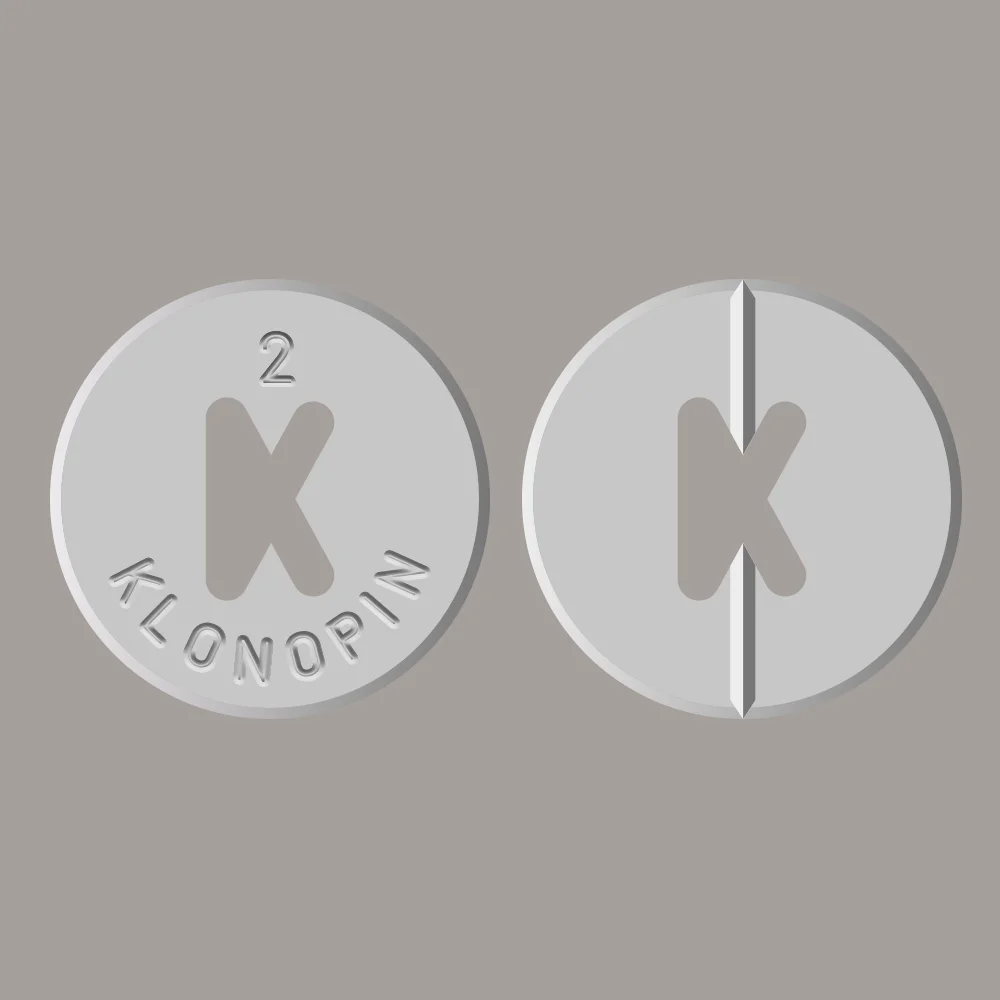
Klonopin 2mg
$338.00Select options This product has multiple variants. The options may be chosen on the product page
Klonopin (Clonazepam) Overview
Klonopin is the brand name for clonazepam, a prescription medication belonging to the benzodiazepine class. It affects the central nervous system and is primarily prescribed for certain panic disorders and seizure disorders.
Clonazepam works by enhancing the effects of gamma-aminobutyric acid (GABA), an inhibitory neurotransmitter that helps regulate excessive activity in the brain. This can produce calming, anticonvulsant, and sedative effects.
Because Klonopin can cause drowsiness, impaired coordination, physical dependence, tolerance, misuse, and withdrawal, it should be taken only under the direction of a qualified healthcare professional.
At ScriptCoreUSA.com, we provide educational information about prescription medications to help readers understand their uses, potential risks, precautions, and responsible use.
What Is Klonopin Used For?
Healthcare professionals may prescribe Klonopin for specific medical conditions.
Panic Disorder
Clonazepam may help reduce the frequency and severity of panic attacks in appropriately diagnosed patients. It can help relieve symptoms associated with acute anxiety and panic, although treatment decisions depend on the individual’s medical history and circumstances.
Seizure Disorders
Clonazepam has anticonvulsant properties and may be prescribed for certain seizure disorders. The appropriate treatment depends on the type of seizure and the patient’s overall medical condition.
Other Uses
A healthcare professional may sometimes prescribe clonazepam for other medically appropriate purposes. It should not be used for an unapproved condition without professional guidance.
How Does Klonopin Work?
Klonopin increases the activity of GABA within the central nervous system.
GABA naturally reduces excessive neuronal activity. By enhancing GABA-mediated signaling, clonazepam can help produce:
- Calming effects
- Reduced nervous-system activity
- Anticonvulsant effects
- Muscle-relaxing effects
- Sedation
The same effects that can provide therapeutic benefits may also cause sleepiness, slower reactions, impaired coordination, and difficulty concentrating.
Available Klonopin Strengths
Clonazepam tablets may be available in different strengths depending on the specific product and prescription.
Common strengths include:
- 0.5 mg
- 1 mg
- 2 mg
The appropriate strength depends on the individual’s diagnosis, age, medical history, response to treatment, other medications, and risk factors.
Never choose a Klonopin strength based solely on information found online.
Klonopin Dosage
There is no universal clonazepam dose that is appropriate for everyone.
A healthcare professional determines the appropriate regimen by considering:
- The condition being treated
- Age
- Medical history
- Other medications
- Response to treatment
- Liver and kidney considerations
- Risk of sedation
- Risk of dependence and misuse
Take Klonopin exactly as prescribed. Do not take additional doses or change the frequency of administration without speaking with your prescriber.
If you have been using clonazepam regularly, do not stop treatment suddenly. Abrupt discontinuation can cause withdrawal symptoms and, in some circumstances, seizures.
Common Side Effects of Klonopin
Clonazepam can cause side effects, particularly when treatment begins or the dosage changes.
Common effects may include:
- Drowsiness
- Dizziness
- Fatigue
- Reduced coordination
- Muscle weakness
- Slower reaction time
- Difficulty concentrating
- Memory problems
Avoid driving or operating machinery until you understand how clonazepam affects you.
Serious Side Effects
Serious reactions require prompt medical attention.
Seek emergency assistance for symptoms such as:
- Severe difficulty breathing
- Extreme sedation or inability to stay awake
- Loss of consciousness
- Severe confusion
- Significant impairment of coordination
- Serious allergic reactions
- Swelling of the face, lips, tongue, or throat
The risk of severe sedation and respiratory depression can increase when clonazepam is combined with opioids, alcohol, or other central nervous system depressants.
Klonopin, Dependence and Withdrawal
Clonazepam is a controlled prescription medication because benzodiazepines can cause misuse, physical dependence, and addiction.
Physical dependence can occur even when a medication is taken according to a prescription. The likelihood may increase with prolonged treatment or higher exposure.
Possible withdrawal symptoms include:
- Anxiety
- Irritability
- Restlessness
- Sleep difficulties
- Tremors
- Sweating
- Muscle symptoms
- Sensory changes
- Seizures in severe cases
If treatment needs to be discontinued, a healthcare professional can determine an appropriate tapering plan.
Klonopin and Alcohol
Alcohol can intensify the effects of clonazepam and increase the risk of dangerous impairment.
Avoid combining Klonopin with alcohol unless specifically instructed by a healthcare professional.
The combination may increase the risk of:
- Extreme drowsiness
- Impaired coordination
- Confusion
- Loss of consciousness
- Breathing problems
Klonopin and Other Medicines
Clonazepam can interact with medications and substances that affect the central nervous system.
Particular caution is needed with:
- Opioid medications
- Other benzodiazepines
- Sleep medications
- Sedatives
- Certain muscle relaxants
- Alcohol
- Other medicines that cause drowsiness
Combining benzodiazepines with opioids can substantially increase the risk of profound sedation, respiratory depression, coma, and death.
Always tell your doctor and pharmacist about all prescription medications, over-the-counter products, supplements, and other substances you use.
Klonopin and Driving
Klonopin may affect:
- Alertness
- Reaction time
- Judgment
- Coordination
- Concentration
Do not drive or operate dangerous machinery until you know how the medicine affects you.
Even when you do not feel particularly sleepy, your reaction time and coordination may still be impaired.
Important Precautions
Before taking Klonopin, tell your healthcare professional if you have:
- Breathing or lung problems
- Sleep apnea
- Liver disease
- Kidney problems
- A history of substance misuse
- A history of depression or other psychiatric conditions
- Problems with balance or coordination
- Other conditions associated with excessive sedation
Older adults may be more susceptible to dizziness, confusion, impaired coordination, and falls.
Klonopin During Pregnancy and Breastfeeding
If you are pregnant, planning to become pregnant, or breastfeeding, discuss clonazepam with your healthcare professional before using it.
Benzodiazepine exposure during pregnancy or around delivery may affect a newborn. Clonazepam may also pass into breast milk.
A healthcare professional can assess the potential benefits and risks and determine the most appropriate treatment strategy.
Responsible Online Prescription Access
If you are researching Klonopin online, convenience should never replace appropriate medical evaluation.
A safer approach involves:
- Consulting a qualified healthcare professional about your symptoms and treatment needs.
- Obtaining a valid prescription when clonazepam is medically appropriate.
- Using a properly licensed pharmacy to fill the prescription.
- Checking the medication label and packaging when you receive your prescription.
- Following your individual prescription instructions rather than relying on generic online dosing information.
- Speaking with a pharmacist about possible interactions or unexpected effects.
Be especially cautious of websites offering controlled benzodiazepines without appropriate medical evaluation or a valid prescription.
Frequently Asked Questions
What is Klonopin?
Klonopin is the brand name for clonazepam, a benzodiazepine prescription medication primarily used for certain seizure disorders and panic disorder.
How does Klonopin work?
Klonopin enhances the effects of GABA, an inhibitory neurotransmitter in the brain. This reduces excessive nervous-system activity and contributes to its calming and anticonvulsant effects.
Can Klonopin cause dependence?
Yes. Clonazepam can cause physical dependence and carries a risk of misuse and addiction, particularly with prolonged use or higher exposure.
Can I stop taking Klonopin suddenly?
No. If you have been taking clonazepam regularly, do not discontinue it abruptly without medical guidance. Sudden discontinuation can cause withdrawal symptoms and potentially serious complications, including seizures.
Can I drink alcohol while taking Klonopin?
Alcohol can intensify clonazepam’s sedative effects and increase the risk of dangerous impairment. Discuss alcohol use with your healthcare professional.
Can Klonopin be taken with opioids?
The combination can significantly increase the risk of profound sedation and respiratory depression. Use the combination only when specifically prescribed and monitored by a qualified healthcare professional.
Can Klonopin be obtained online?
Klonopin is a prescription benzodiazepine. If it has been prescribed for you, obtain it through legitimate healthcare and pharmacy channels and use a properly licensed pharmacy.
Conclusion
Klonopin (clonazepam) is a benzodiazepine medication with calming and anticonvulsant properties. It is primarily prescribed for certain panic and seizure disorders and works by enhancing the effects of GABA in the central nervous system.
Although clonazepam can provide therapeutic benefits for appropriate patients, it also carries important risks involving sedation, impaired coordination, physical dependence, misuse, addiction, and withdrawal. Alcohol, opioids, and other central nervous system depressants can further increase these risks.