
Buy Percocet Online
Showing all 5 results
-
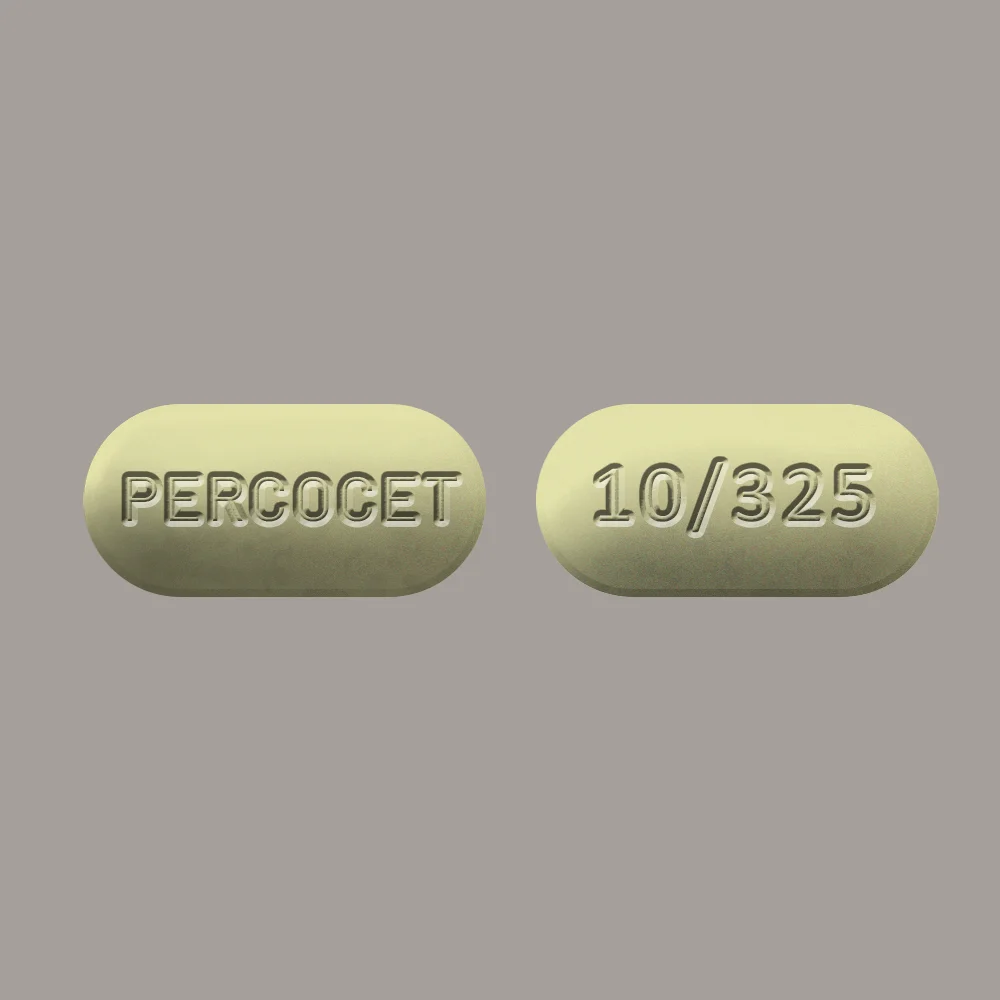
Percocet 10/325mg
$377.00Select options This product has multiple variants. The options may be chosen on the product page -
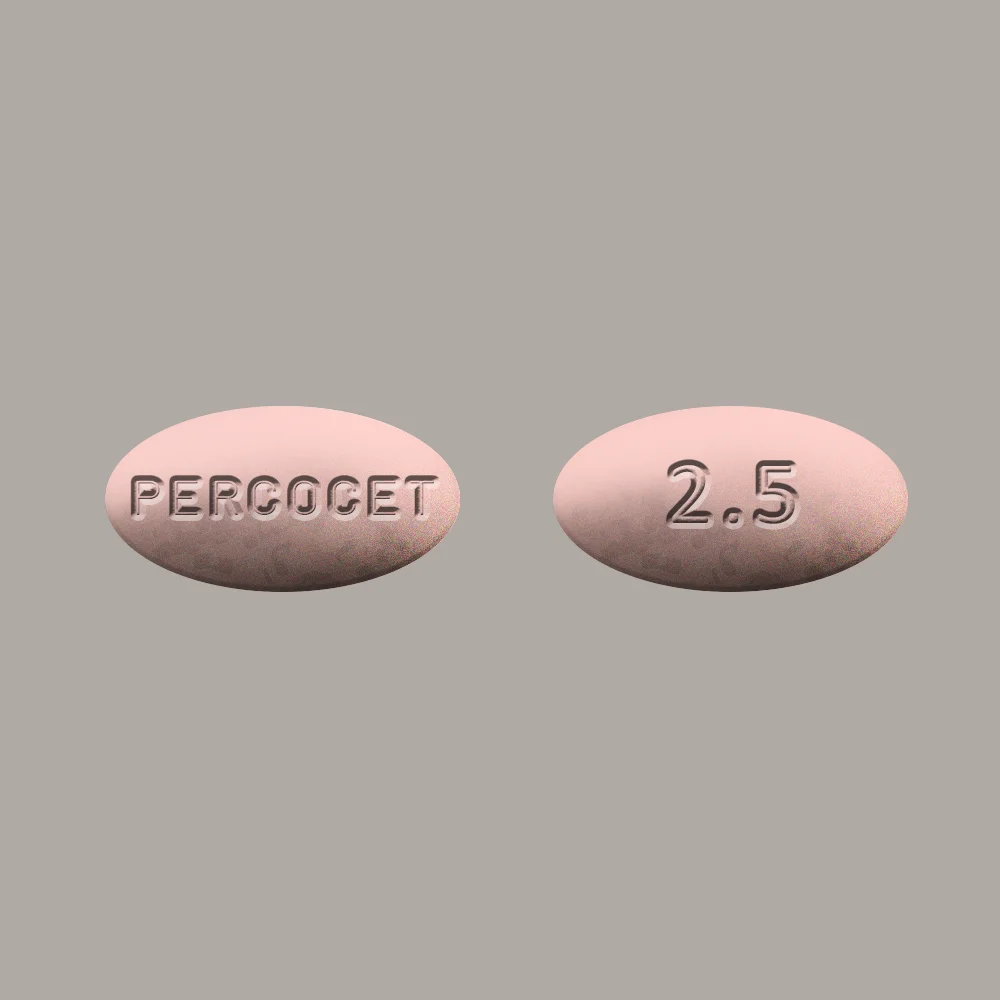
Percocet 2.5/325mg
$327.00Select options This product has multiple variants. The options may be chosen on the product page -
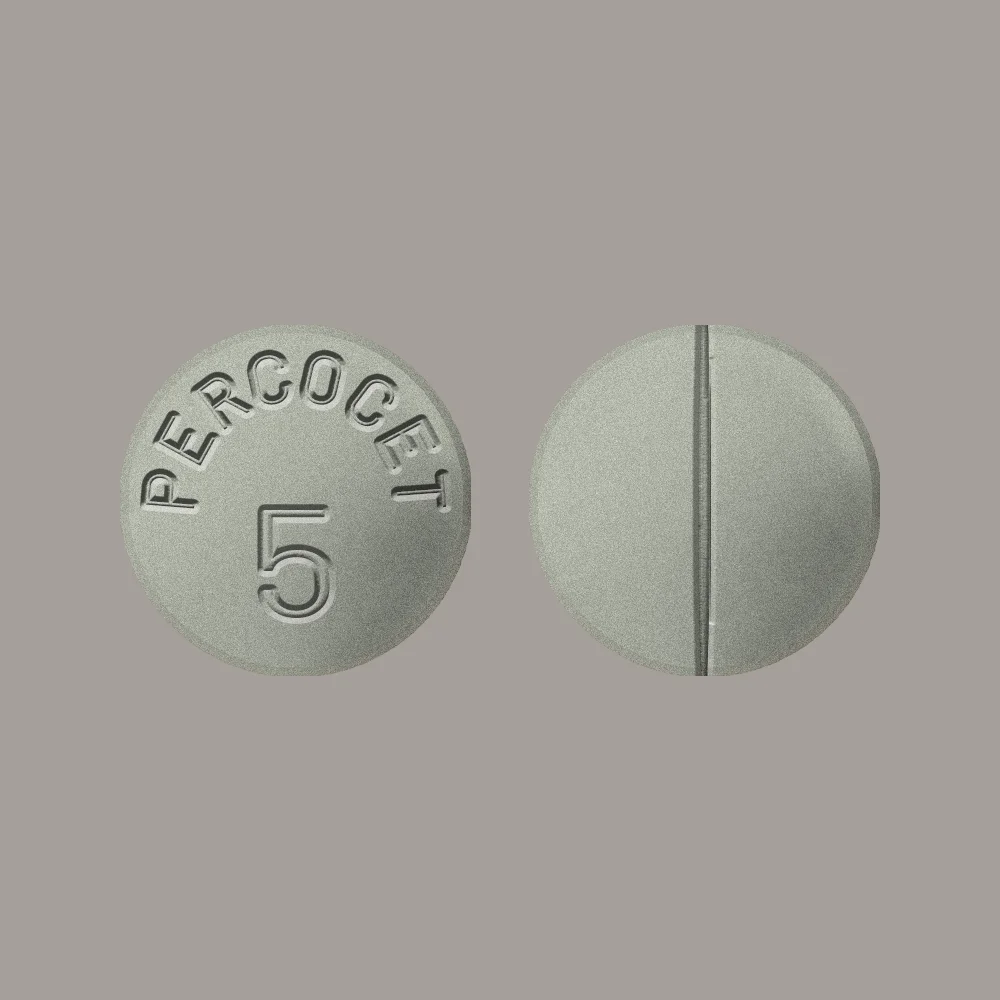
Percocet 5/325mg
$337.00Select options This product has multiple variants. The options may be chosen on the product page -
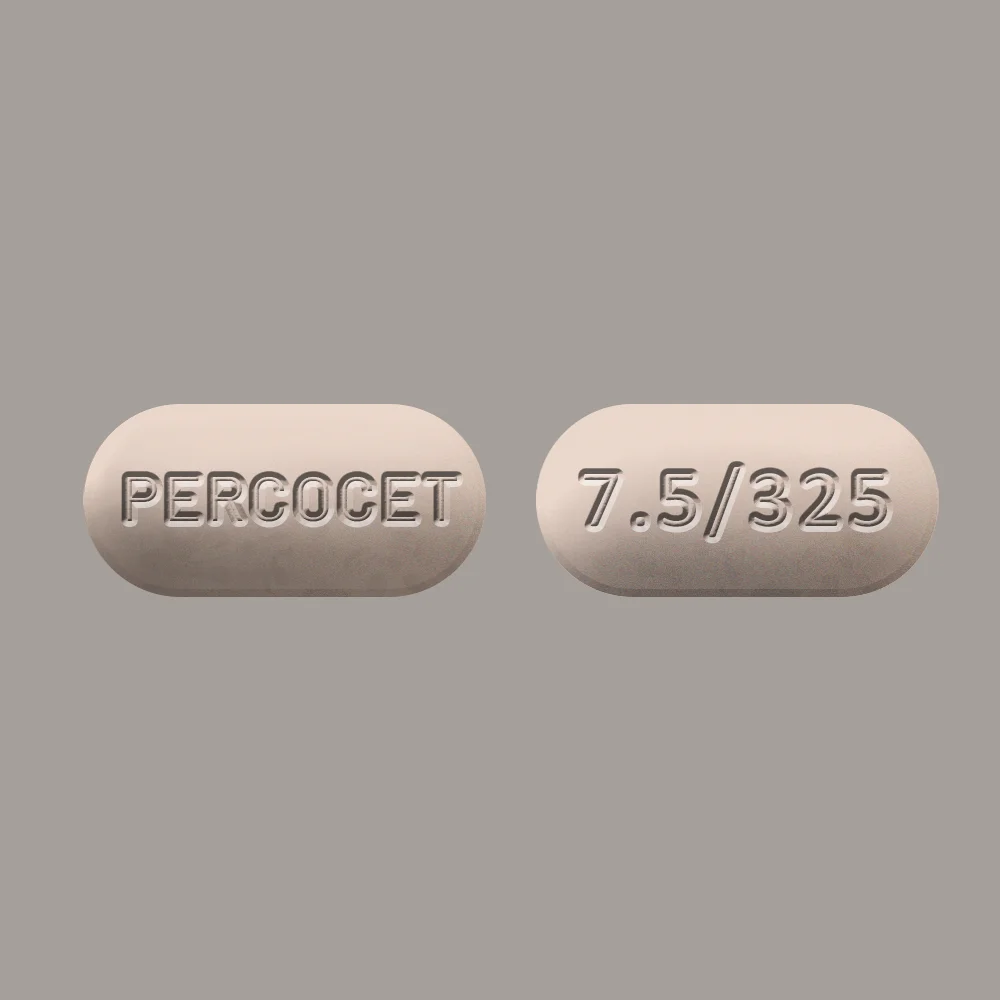
Percocet 7.5/325mg
$347.00Select options This product has multiple variants. The options may be chosen on the product page -
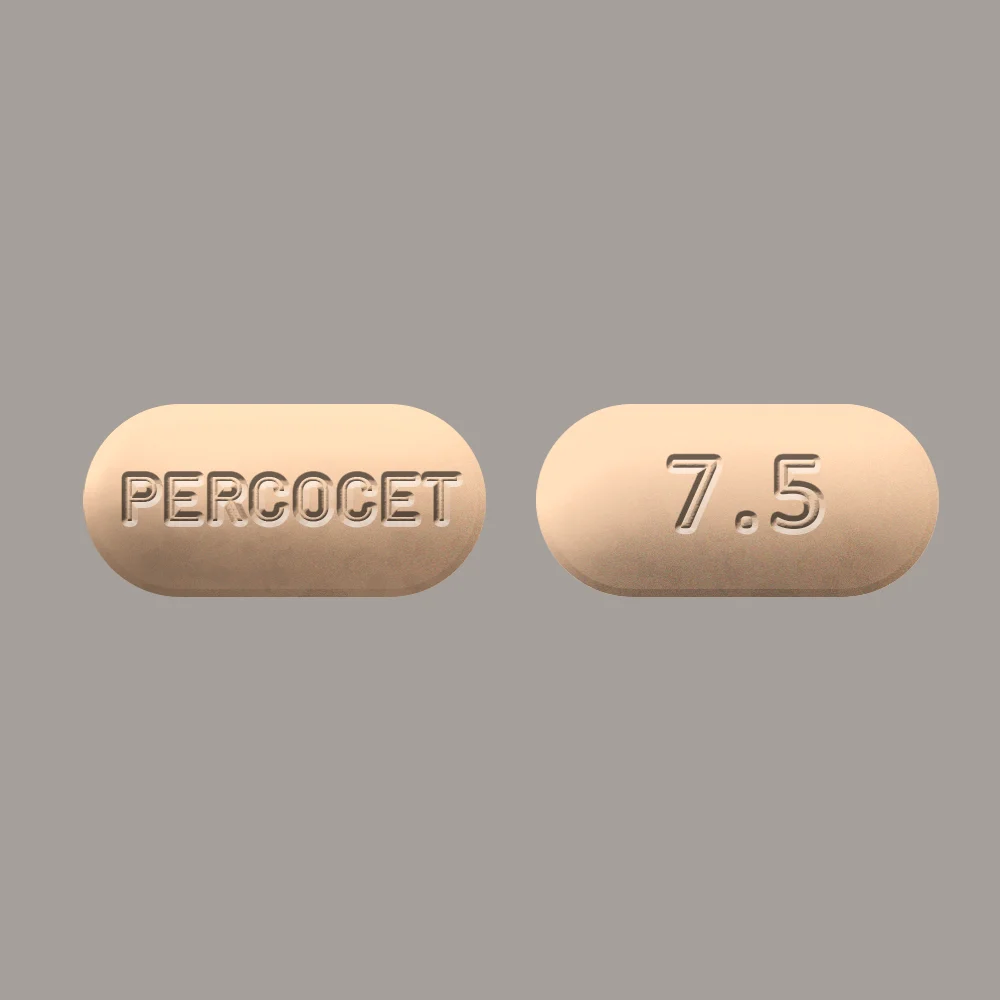
Percocet 7.5/500mg
$357.00Select options This product has multiple variants. The options may be chosen on the product page
Percocet Overview
Percocet is a prescription pain medication containing two active ingredients: oxycodone and acetaminophen. Oxycodone is an opioid analgesic that changes how the brain and nervous system perceive pain, while acetaminophen provides additional pain-relieving effects.
Because oxycodone is an opioid, Percocet can cause physical dependence, misuse, addiction, and potentially life-threatening respiratory depression. It should therefore be used only when prescribed by an appropriate healthcare professional and exactly according to the prescribed directions.
For patients using prescription pain medication, obtaining it through a licensed pharmacy and a valid prescription is an important part of medication safety.
What Is Percocet Used For?
Healthcare professionals may prescribe Percocet for moderate to severe acute pain when an opioid-containing medication is considered appropriate.
It may sometimes be prescribed following surgery, an injury, or another painful medical condition. Treatment decisions depend on the individual’s diagnosis, medical history, other medications, and the expected duration of pain.
Percocet is not appropriate for everyone. A healthcare professional should determine whether its potential benefits outweigh its risks.
How Does Percocet Work?
Percocet contains two pain-relieving components that work differently.
Oxycodone activates opioid receptors in the central nervous system. This changes the way pain signals are processed and can reduce the sensation of pain.
Acetaminophen works through a different mechanism to provide additional analgesic and fever-reducing effects.
The combination can provide substantial pain relief, but the opioid component also creates important safety concerns, particularly when the medicine is taken incorrectly or combined with other substances that depress the nervous system.
Active Ingredients
Percocet contains:
- Oxycodone — an opioid analgesic.
- Acetaminophen — a non-opioid pain reliever and fever reducer.
The exact amount of each ingredient depends on the prescribed formulation. Patients should carefully read the pharmacy label and medication information rather than relying on tablet appearance or information from an unfamiliar website.
It is also important to remember that acetaminophen may be present in many other prescription and over-the-counter medicines. Taking multiple acetaminophen-containing products can unintentionally result in excessive intake and serious liver injury.
Percocet Dosage Information
There is no single dose that is appropriate for every patient.
A healthcare professional determines the appropriate strength and dosing schedule according to factors such as:
- Severity and type of pain
- Previous exposure to opioid medications
- Age
- Other medical conditions
- Kidney or liver function
- Other medications being used
- Individual response to treatment
Patients should never increase the dose, take doses more frequently, or extend treatment without medical advice.
Do not use another person’s prescription, and do not give Percocet to someone else.
Common Side Effects
Some people taking Percocet may experience:
- Drowsiness
- Dizziness
- Nausea
- Vomiting
- Constipation
- Headache
- Lightheadedness
Because drowsiness and dizziness can occur, patients should understand how the medication affects them before driving, operating machinery, or performing activities requiring full alertness.
Serious Risks and Warnings
Percocet carries potentially serious risks because it contains an opioid.
A major concern is respiratory depression, in which breathing becomes dangerously slow or shallow. The risk can increase when opioids are combined with alcohol, benzodiazepines, sleep medicines, or other central nervous system depressants.
Other important concerns include:
- Opioid misuse and addiction
- Physical dependence
- Accidental overdose
- Severe sedation
- Dangerous drug interactions
- Serious allergic reactions
- Liver injury associated with excessive acetaminophen exposure
Patients should tell their healthcare professional about all prescription medicines, nonprescription products, and supplements they take.
Recognizing a Possible Overdose
An opioid overdose can become life-threatening very quickly.
Warning signs may include:
- Very slow, shallow, or stopped breathing
- Extreme sleepiness or inability to wake
- Loss of consciousness
- Unusual snoring or gurgling sounds
- Small or pinpoint pupils
- Pale, blue, or gray lips or skin
If an opioid overdose is suspected, call emergency medical services immediately. Naloxone can rapidly reverse opioid-related respiratory depression and may be available through pharmacies or community programs. Emergency medical attention is still necessary even when naloxone has been administered.
Percocet and Alcohol
Combining Percocet with alcohol can significantly increase the risk of dangerous sedation and breathing problems.
Patients should avoid alcohol unless their healthcare professional specifically determines that it is safe. The same caution applies to other medications that cause significant sedation.
Never assume that a medication is safe to combine simply because it was obtained legally or previously prescribed.
Acetaminophen Safety
One of the important features of Percocet is its acetaminophen component.
Excessive acetaminophen exposure can cause severe liver injury. Patients should check the ingredients of other pain relievers, cold medicines, and combination products to determine whether they also contain acetaminophen.
Contact a healthcare professional or poison-control service promptly if an excessive amount of acetaminophen or Percocet may have been taken.
Safe Storage and Disposal
Percocet should be stored securely and kept out of reach of children, visitors, and anyone who could accidentally or intentionally misuse it.
Do not share prescription opioids with family members or friends.
When medication is no longer needed, use an appropriate medication take-back program or follow local disposal instructions. Proper disposal can reduce the possibility of accidental ingestion and medication misuse.
Using Percocet Responsibly
Patients prescribed Percocet can reduce avoidable risks by following several basic principles:
- Take the medicine exactly as prescribed.
- Never use someone else’s prescription.
- Do not change the dose without professional guidance.
- Avoid alcohol and potentially dangerous sedating medicines unless cleared by a healthcare professional.
- Check other medications for acetaminophen.
- Do not drive if the medicine causes significant drowsiness or impaired alertness.
- Store the medication securely.
- Never share unused tablets.
- Ask a healthcare professional about concerns involving dependence or withdrawal.
- Seek emergency assistance when overdose symptoms occur.
Buying Prescription Medication Safely
Percocet is a prescription opioid, so patients should obtain it through a legitimate, licensed pharmacy using a valid prescription from an authorized healthcare professional.
Be particularly cautious of websites that:
- Offer prescription opioids without a prescription
- Promise unusually low prices
- Sell through anonymous messaging platforms
- Do not provide verifiable pharmacy information
- Make unrealistic medical claims
- Request unusual payment methods
- Cannot provide legitimate pharmacist or licensing information
Counterfeit medications can contain incorrect amounts of active ingredients or unexpected substances, creating serious health risks.
ScriptCoreUSA encourages patients to verify the legitimacy of an online pharmacy and consult a qualified healthcare professional before using prescription pain medication.
Percocet and Dependence
Regular opioid exposure can lead to physical dependence. This means the body may adapt to the medication and experience withdrawal symptoms when it is stopped suddenly.
Dependence is not necessarily the same as addiction, but it is an important reason opioid treatment should be monitored by a healthcare professional.
Patients who have been using Percocet regularly should not abruptly discontinue treatment without professional guidance. A clinician can determine whether gradual dose reduction or another treatment approach is appropriate.
Frequently Asked Questions
What ingredients are in Percocet?
Percocet contains oxycodone and acetaminophen. Oxycodone is an opioid pain reliever, while acetaminophen provides additional pain-relieving and fever-reducing effects.
Is Percocet addictive?
Yes. Because Percocet contains oxycodone, it can lead to misuse, physical dependence, and addiction. The risk varies between individuals and can increase with inappropriate or prolonged use.
Can Percocet be taken with alcohol?
Combining Percocet with alcohol can increase sedation and the risk of dangerously slowed breathing. Patients should discuss alcohol use with their healthcare professional.
What should I do if I miss a dose?
Follow the instructions provided with your prescription. Do not automatically take extra medication to compensate for a missed dose.
Can Percocet be stopped suddenly?
People who have been taking an opioid regularly may experience withdrawal if treatment is stopped abruptly. Speak with a healthcare professional about the safest way to discontinue treatment.
What should I do in an emergency?
If someone taking Percocet becomes extremely difficult to wake, loses consciousness, or develops slow or abnormal breathing, treat the situation as a potential opioid overdose. Call emergency medical services immediately and administer naloxone if it is available and appropriate.
Final Thoughts
Percocet can provide meaningful relief for certain types of moderate to severe pain when prescribed and monitored appropriately. However, its oxycodone component means that treatment carries important risks, including respiratory depression, misuse, dependence, addiction, and overdose.
Safe treatment begins with professional medical evaluation, a legitimate prescription, and a licensed pharmacy. Patients should follow their prescribed directions carefully, avoid dangerous combinations, protect their medication from unauthorized access, and seek immediate medical assistance when serious symptoms occur.