
Buy Hydromorphone Online
Showing all 3 results
-
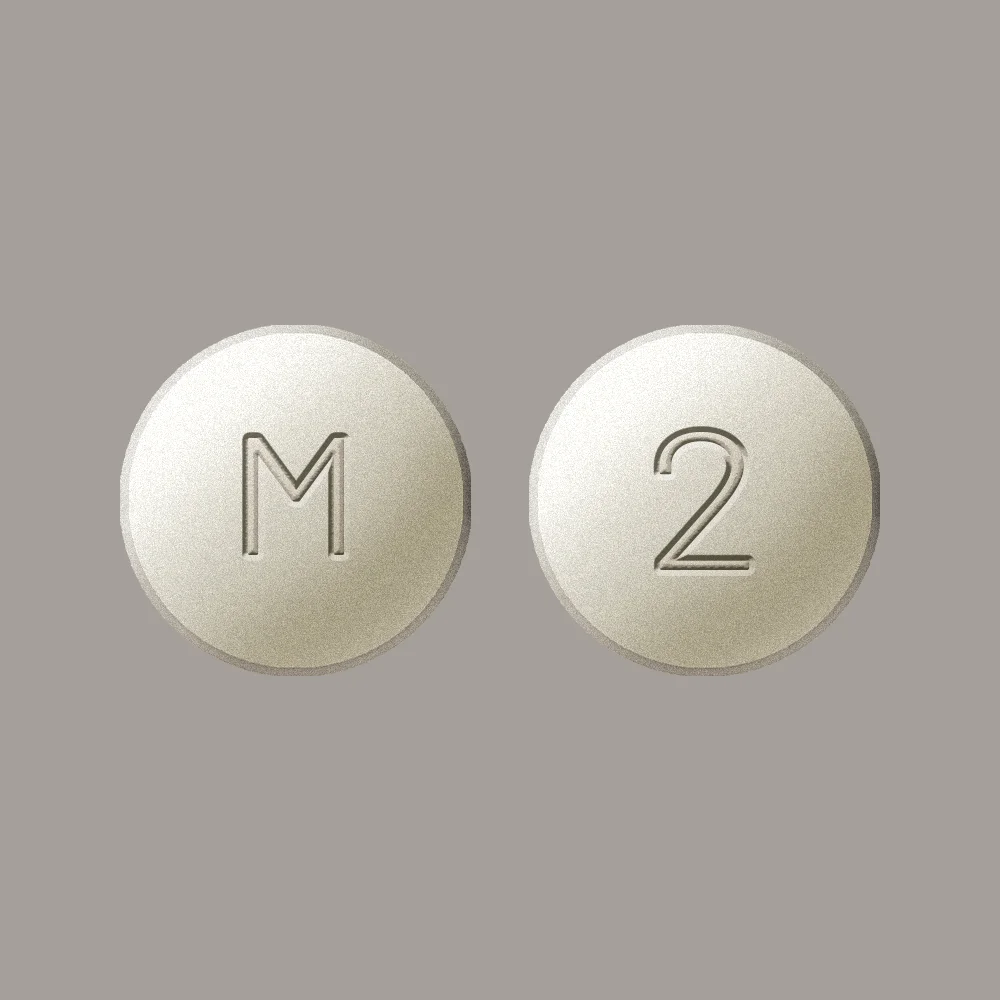
Hydromorphone 2mg
$357.00Select options This product has multiple variants. The options may be chosen on the product page -

Hydromorphone 4mg
$367.00Select options This product has multiple variants. The options may be chosen on the product page -

Hydromorphone 8mg
$377.00Select options This product has multiple variants. The options may be chosen on the product page
About Hydromorphone
Hydromorphone is a powerful prescription opioid medication used to manage moderate to severe pain when a healthcare professional determines that opioid treatment is appropriate. It works on the central nervous system and changes how the body and brain perceive pain.
Hydromorphone is the active ingredient in certain brand-name and generic medications, including Dilaudid. Because it is a potent opioid, it can cause serious side effects, including sedation, slowed or difficult breathing, physical dependence, misuse, addiction, and overdose.
At ScriptCoreUSA.com, we provide educational information about prescription medicines to help readers understand their potential benefits, risks, precautions, and responsible use. Hydromorphone should only be used under appropriate medical supervision.
What Is Hydromorphone Used For?
Healthcare professionals may prescribe hydromorphone for significant pain when alternative treatment approaches are not sufficient or appropriate.
Moderate to Severe Pain
Hydromorphone may be considered for pain associated with certain injuries, medical conditions, or procedures. The treatment plan depends on the severity and type of pain, the patient’s previous opioid exposure, and other medical factors.
Acute Pain
In some situations, hydromorphone may be used for severe short-term pain. The specific formulation and treatment approach are determined by a qualified healthcare professional.
Other Medically Appropriate Uses
A healthcare provider may determine that hydromorphone is appropriate in other circumstances. The medication should only be used for a condition and in a manner directed by the prescriber.
How Does Hydromorphone Work?
Hydromorphone belongs to the opioid analgesic class of medications. It primarily acts on opioid receptors in the brain, spinal cord, and other parts of the nervous system.
Its effects include:
- Reducing the perception of pain
- Changing the brain’s response to pain signals
- Producing central nervous system depression
- Causing drowsiness and sedation in some individuals
Although these actions can provide pain relief, they can also slow breathing and affect alertness. For this reason, hydromorphone requires careful prescribing and monitoring.
Available Hydromorphone Forms
Hydromorphone may be available in different formulations, including:
- Oral tablets
- Oral liquid formulations
- Extended-release products
- Injectable formulations used in appropriate healthcare settings
The exact product available depends on the prescription, location, and medical situation.
Do not select a hydromorphone product, formulation, or strength based solely on information found online.
Hydromorphone Dosage
There is no single hydromorphone dose that is appropriate for every person.
A healthcare professional considers factors such as:
- The severity and cause of pain
- Previous exposure to opioids
- Age and overall health
- Other medications
- Liver and kidney function
- Risk of respiratory depression
- The specific formulation prescribed
Take hydromorphone exactly as directed.
Do not:
- Take more than prescribed
- Take doses more frequently than prescribed
- Use someone else’s medication
- Change or manipulate a formulation without professional guidance
- Share opioid medication with another person
Certain extended-release opioid products can release a dangerous amount of medicine if altered. Always follow the instructions provided with your specific prescription.
Common Side Effects of Hydromorphone
Hydromorphone can cause side effects, especially when treatment begins or when the dose is changed.
Common side effects may include:
- Drowsiness
- Dizziness
- Nausea
- Vomiting
- Constipation
- Dry mouth
- Sweating
- Headache
- Fatigue
- Lightheadedness
Some people may experience confusion or reduced coordination. Older adults and other vulnerable patients may have an increased risk of certain adverse effects.
Avoid driving, operating machinery, or performing hazardous activities until you know how hydromorphone affects you.
Serious Side Effects and Emergency Warning Signs
Hydromorphone can cause life-threatening adverse effects.
Seek emergency medical assistance for symptoms such as:
- Slow, shallow, or difficult breathing
- Long pauses between breaths
- Extreme sleepiness or inability to wake up
- Loss of consciousness
- Blue or gray discoloration of the lips or skin
- Severe confusion
- Serious allergic reactions
- Swelling of the face, lips, tongue, or throat
Respiratory depression and overdose can be medical emergencies.
If an opioid overdose is suspected, seek emergency assistance immediately. Naloxone may be used in emergency situations according to medical and local emergency guidance.
Hydromorphone, Tolerance, Dependence and Addiction
Hydromorphone is a controlled prescription medication with a significant risk of misuse and addiction.
With repeated opioid use, some patients may develop:
- Tolerance: The body may become less responsive to certain effects of the medication. Tolerance does not mean a person should increase their dose without medical direction.
- Physical Dependence: The body may adapt to the continued presence of an opioid. If the medication is stopped suddenly after regular use, withdrawal symptoms can occur.
- Addiction: Some individuals may develop problematic or compulsive use of opioids despite harmful consequences. This risk can vary between individuals.
Use hydromorphone only as prescribed and discuss concerns about dependence or substance use with a qualified healthcare professional.
Hydromorphone Withdrawal
Do not abruptly discontinue regular hydromorphone use unless instructed to do so by a healthcare professional.
Sudden discontinuation may cause withdrawal symptoms such as:
- Restlessness
- Anxiety
- Irritability
- Sweating
- Muscle aches
- Sleep problems
- Nausea or vomiting
- Abdominal discomfort
- Diarrhea
If opioid treatment needs to end, a healthcare professional can determine whether a gradual reduction in medication is appropriate.
Hydromorphone and Alcohol
Do not combine hydromorphone with alcohol.
Alcohol can increase the sedative and respiratory effects of opioids. Combining the substances can increase the risk of:
- Severe drowsiness
- Loss of consciousness
- Respiratory depression
- Coma
- Death
Alcohol may also interact unpredictably with certain extended-release formulations.
Important Precautions
Before taking hydromorphone, tell your healthcare professional about relevant medical conditions, especially:
- Breathing or lung problems
- Sleep apnea
- Head injuries or increased pressure within the skull
- Liver disease
- Kidney problems
- A history of substance misuse
- A history of opioid dependence
- Problems with blood pressure
- Certain gastrointestinal conditions
Your healthcare professional should also know about all medicines and substances you use.
Hydromorphone During Pregnancy and Breastfeeding
If you are pregnant, planning to become pregnant, or breastfeeding, discuss hydromorphone with a qualified healthcare professional.
Opioid exposure during pregnancy or around delivery may create risks for the parent or newborn, including the possibility of withdrawal symptoms in a newborn following prolonged exposure.
Hydromorphone may also pass into breast milk. A healthcare professional can evaluate the potential benefits and risks for your individual situation.
Conclusion
Hydromorphone is a potent opioid medication that may be used to manage certain cases of moderate to severe pain. It works by acting on opioid receptors and changing how the central nervous system processes pain.
Because hydromorphone can cause dangerous respiratory depression, sedation, tolerance, physical dependence, misuse, addiction, and overdose, it requires careful medical supervision. Alcohol, benzodiazepines, other opioids, and other sedating substances can substantially increase its risks.