
Buy Oxycodone Online
Showing all 8 results
-
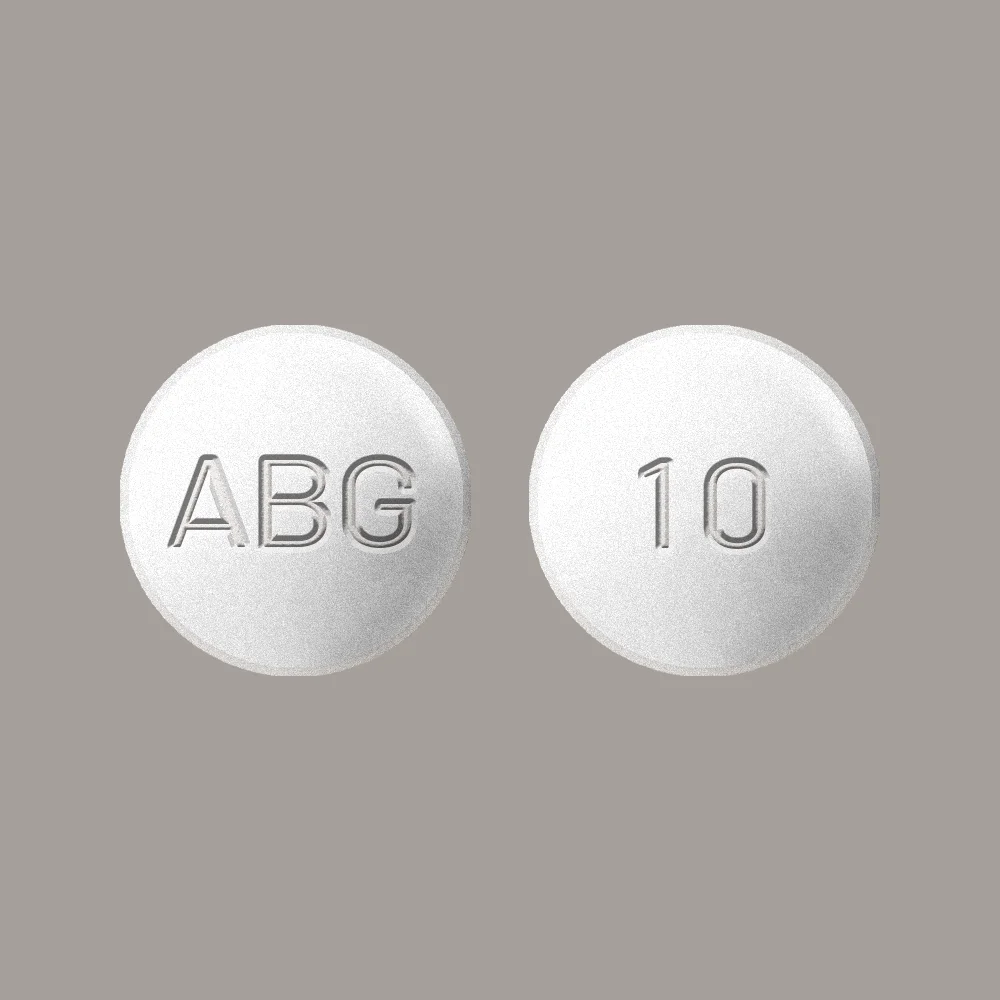
Oxycodone 10mg
$337.00Select options This product has multiple variants. The options may be chosen on the product page -
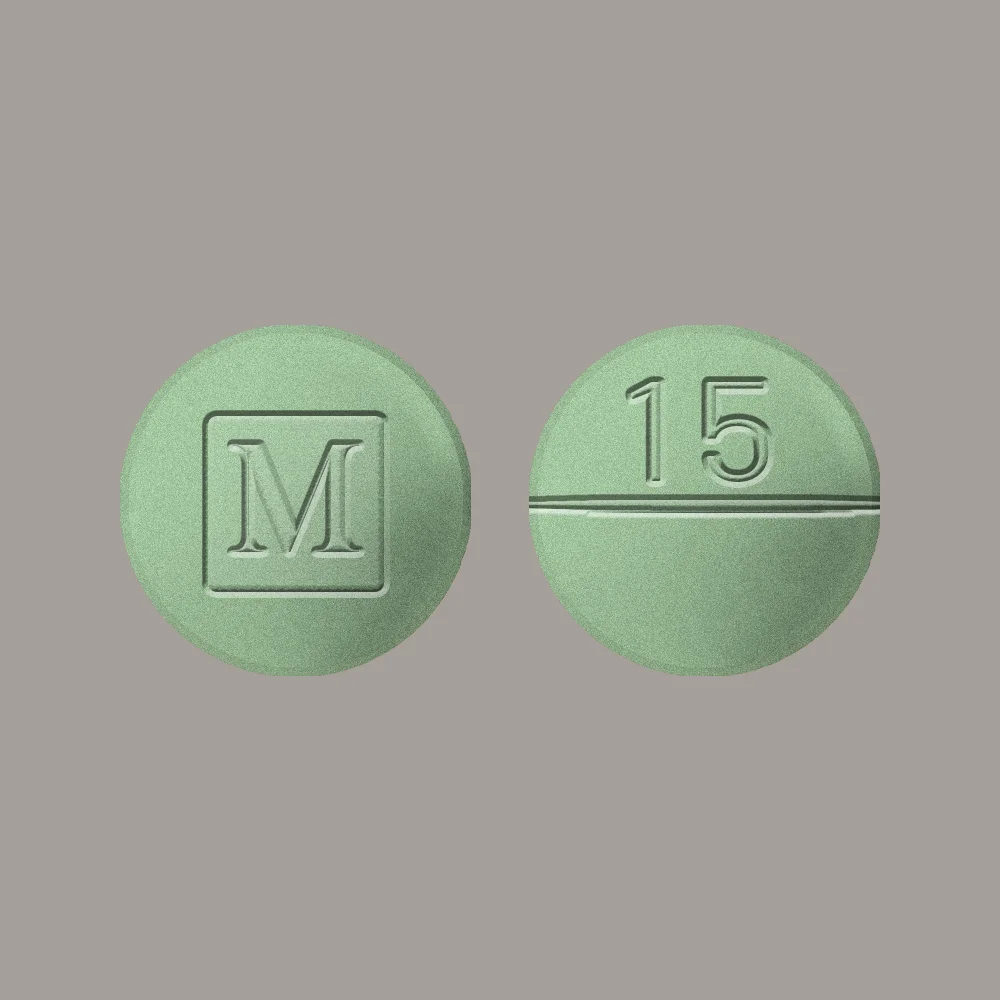
Oxycodone 15mg
$357.00Select options This product has multiple variants. The options may be chosen on the product page -
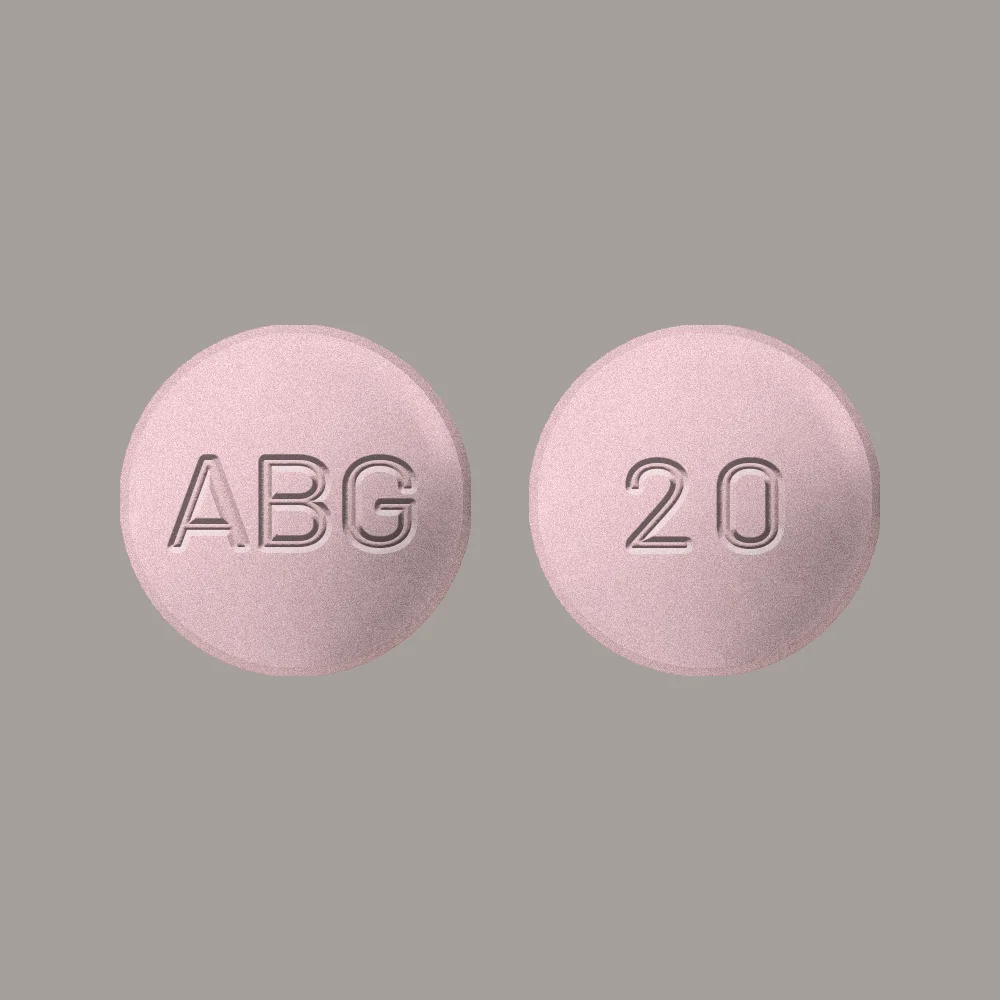
Oxycodone 20mg
$367.00Select options This product has multiple variants. The options may be chosen on the product page -
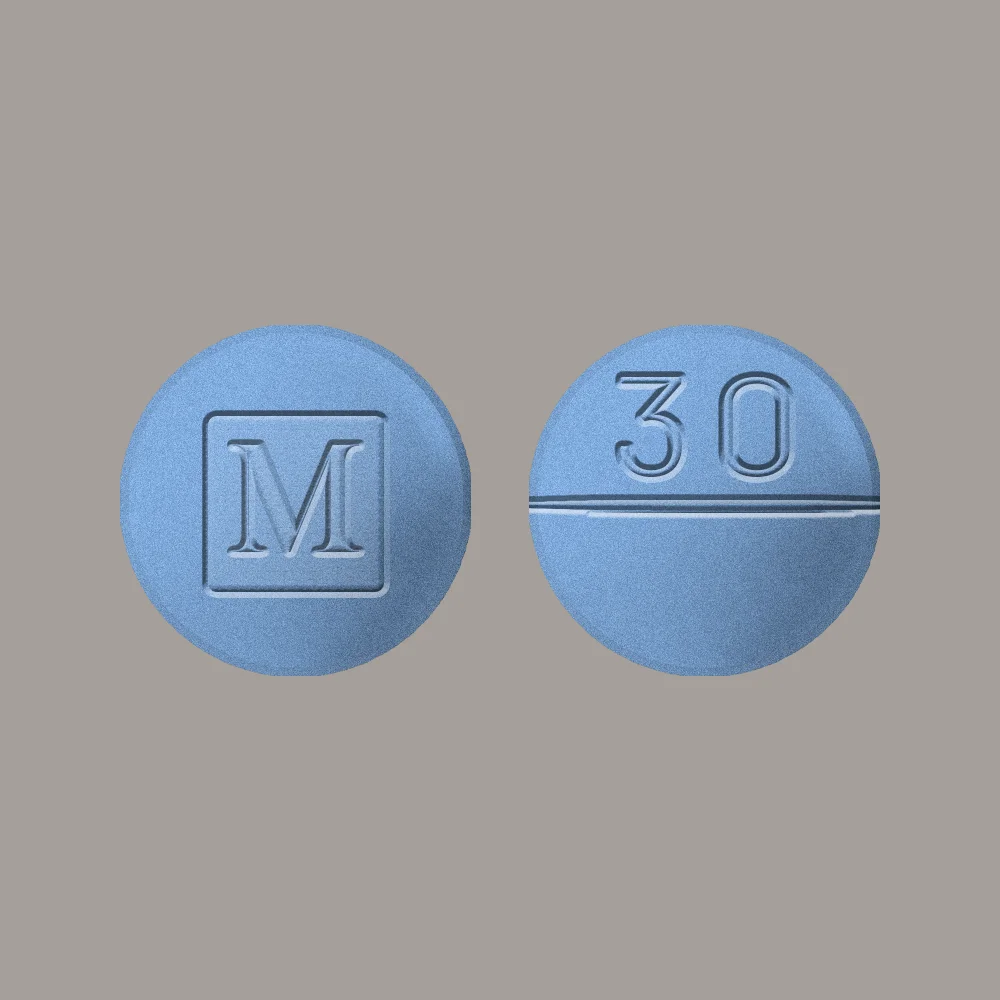
Oxycodone 30mg
$377.00Select options This product has multiple variants. The options may be chosen on the product page -
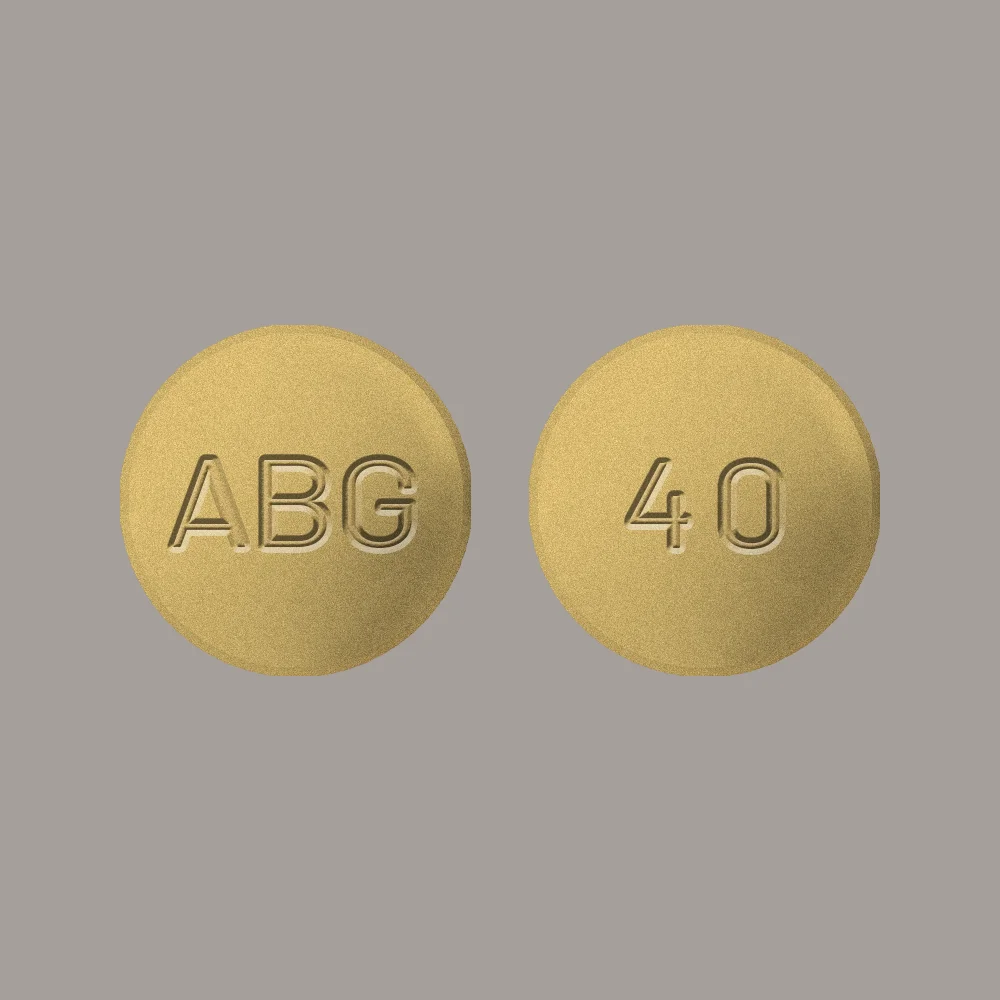
Oxycodone 40mg
$387.00Select options This product has multiple variants. The options may be chosen on the product page -
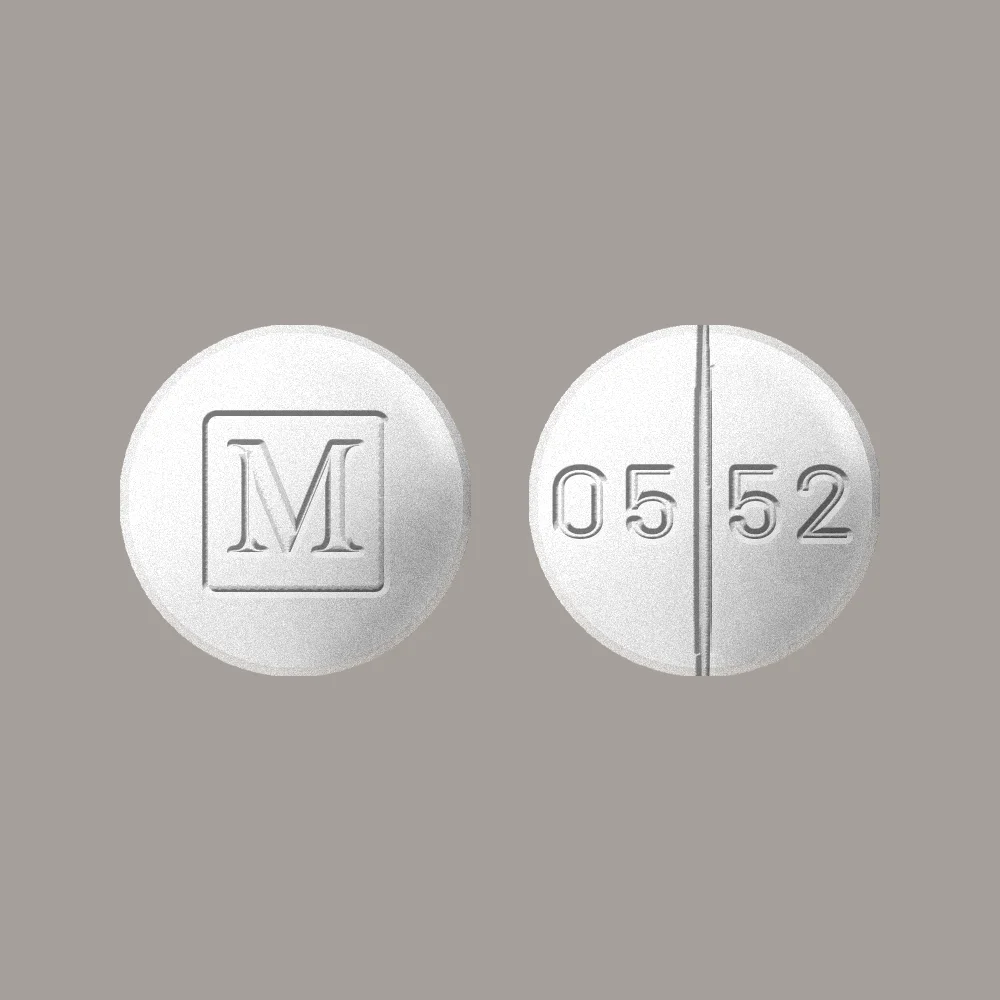
Oxycodone 5mg
$327.00Select options This product has multiple variants. The options may be chosen on the product page -
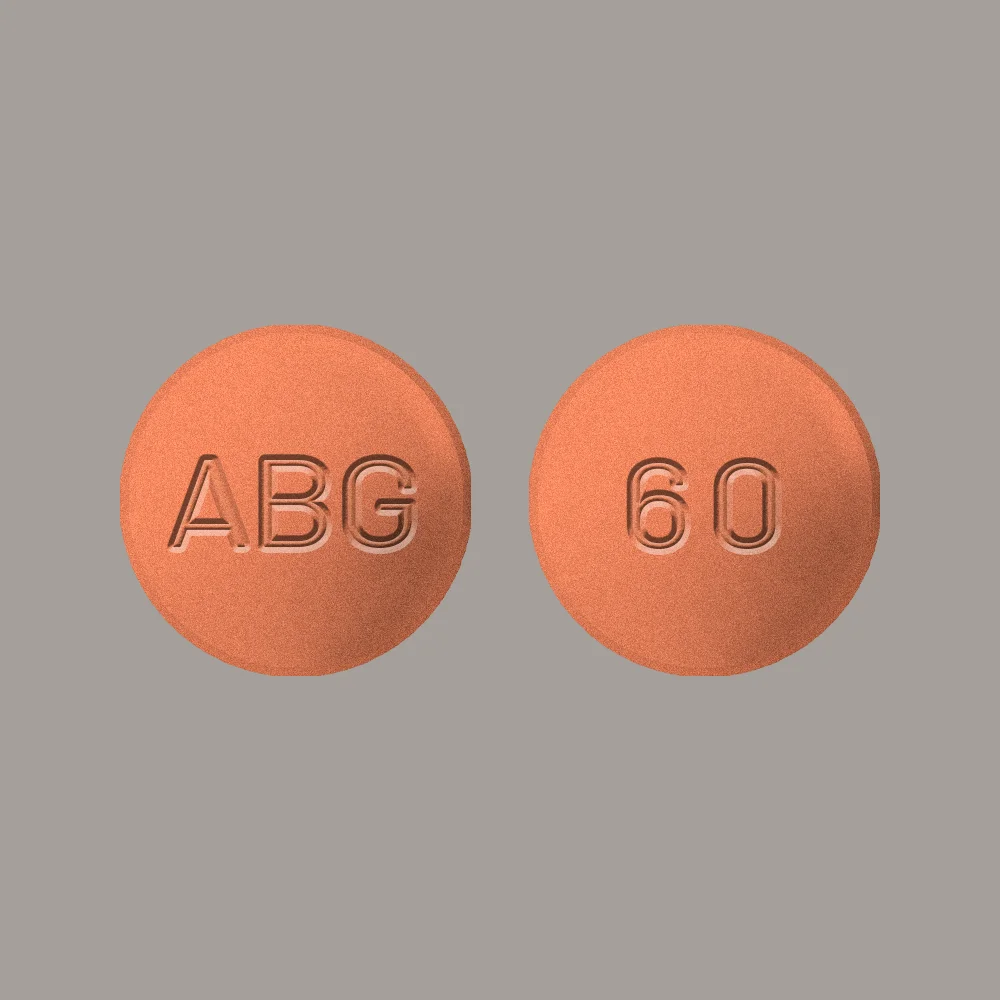
Oxycodone 60mg
$397.00Select options This product has multiple variants. The options may be chosen on the product page -
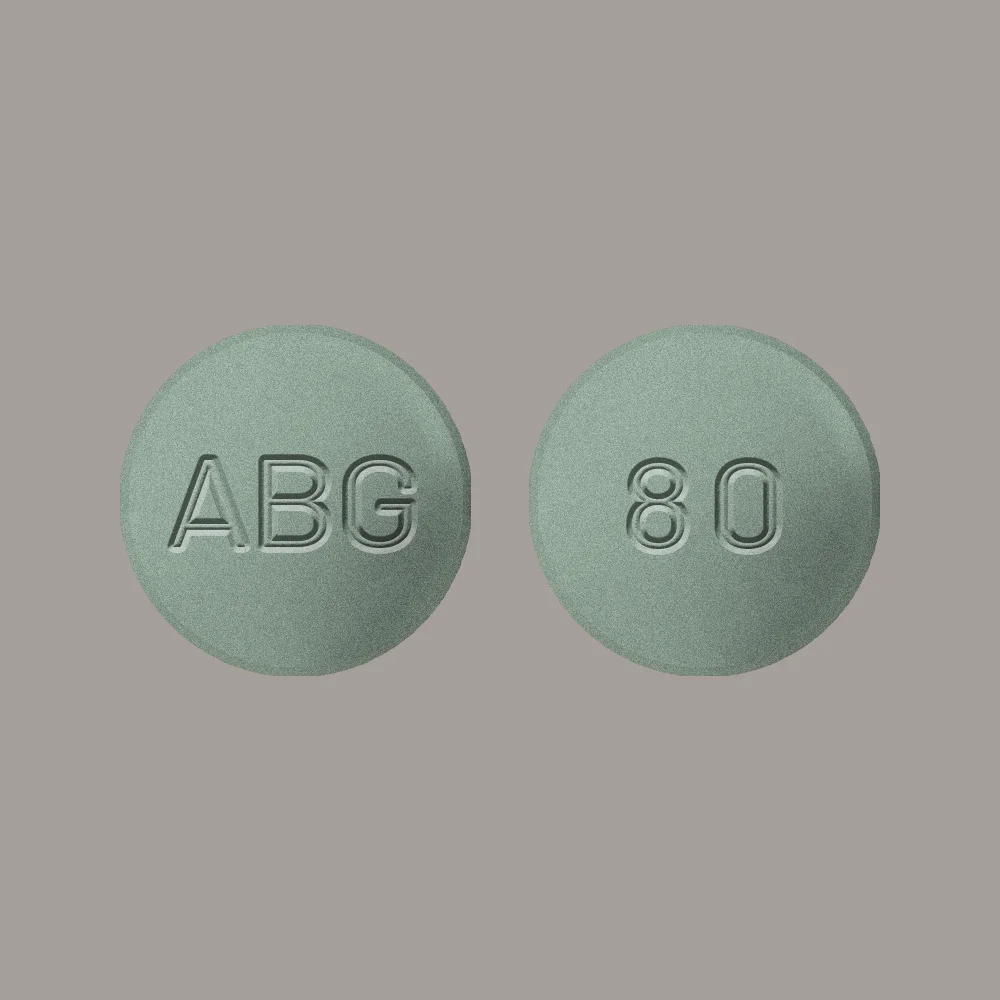
Oxycodone 80mg
$427.00Select options This product has multiple variants. The options may be chosen on the product page
Oxycodone Overview
Oxycodone is a prescription opioid analgesic used to manage certain types of moderate to severe pain. It affects opioid receptors in the brain and nervous system, changing how the body perceives and responds to pain.
Because oxycodone is a powerful opioid, treatment requires careful medical supervision. It can cause serious side effects, including dangerous breathing problems, physical dependence, misuse, addiction, overdose, and death.
Patients should use oxycodone only when prescribed by a qualified healthcare professional and according to applicable laws and prescription requirements.
What Is Oxycodone Used For?
A healthcare professional may prescribe oxycodone when clinically appropriate for certain painful conditions. Depending on the specific formulation and the patient’s medical needs, treatment may be considered for:
- Moderate to severe acute pain
- Pain following surgery or significant injury
- Certain severe chronic pain conditions
- Pain associated with medical conditions requiring stronger analgesic treatment
Not every person with severe pain needs an opioid. Healthcare professionals evaluate the cause of pain, previous treatments, medical history, and individual risk factors before determining whether oxycodone is appropriate.
How Does Oxycodone Work?
Oxycodone belongs to the opioid analgesic class of medicines. It works by interacting with opioid receptors in the central nervous system. These actions can change how pain signals are processed and reduce the sensation of pain.
Different formulations may act differently in the body. Some oxycodone medicines are designed for immediate pain relief, while extended-release products are intended for specific situations requiring longer-lasting medication effects.
Never alter the form of a prescribed medication without professional advice. Crushing, chewing, or manipulating certain extended-release opioid products can be extremely dangerous.
Common Oxycodone Formulations
Oxycodone may be prescribed in different formulations depending on the treatment plan. These can include:
- Immediate-release oxycodone products
- Extended-release oxycodone products
- Combination medicines containing oxycodone and acetaminophen
- Other prescription formulations approved for specific medical needs
The appropriate product, dose, and treatment duration must be determined by the prescribing healthcare professional. Patients should never increase their dose or frequency without medical authorization.
Important Risks of Oxycodone
Oxycodone can be effective for appropriately selected patients, but it carries significant risks.
Respiratory Depression
Opioids can slow or suppress breathing. The risk may be greater when treatment begins, when the dose is changed, or when oxycodone is combined with other substances that depress the central nervous system.
Misuse and Addiction
Prescription opioids have the potential for misuse and addiction. Taking more than prescribed, using someone else’s medication, or using the medicine for purposes other than prescribed can result in serious harm.
Physical Dependence
Physical dependence can occur with ongoing opioid use. This does not automatically mean addiction, but stopping treatment suddenly after long-term use may lead to withdrawal symptoms.
Overdose
Taking too much oxycodone can cause a life-threatening overdose. Combining opioids with alcohol or sedating medicines can further increase the danger.
Possible Side Effects
Some patients may experience:
- Drowsiness
- Dizziness
- Nausea
- Vomiting
- Constipation
- Headache
- Dry mouth
- Fatigue
Serious symptoms may include:
- Slow, shallow, or difficult breathing
- Extreme sleepiness
- Inability to wake normally
- Severe confusion
- Fainting or loss of consciousness
- Symptoms of a serious allergic reaction
Emergency symptoms require immediate medical attention.
How to Use Oxycodone Safely
Follow your healthcare professional’s instructions carefully. Important safety practices include:
- Take only the prescribed dose.
- Do not use the medicine more frequently than directed.
- Do not share prescription medication with anyone.
- Avoid alcohol unless a healthcare professional specifically advises otherwise.
- Tell your prescriber about all medicines and supplements you use.
- Do not drive or operate machinery until you understand how the medication affects you.
- Store oxycodone securely and away from children and unauthorized individuals.
- Never crush, chew, or alter an extended-release product unless specifically instructed by a qualified professional.
Drug Interactions
Oxycodone can interact with other medicines and substances. Potentially important interactions may include:
- Alcohol
- Benzodiazepines and Other Sedatives
- Other Opioids
- Muscle Relaxants
- Other Prescription and Nonprescription Medicines
Medication interactions vary by individual and product. Always provide your healthcare professional with a complete list of your medications, including vitamins and supplements.
Managing Common Side Effects
Do not change your prescribed treatment without consulting a healthcare professional.
Depending on the side effect, a clinician may recommend appropriate measures to address concerns such as nausea or constipation. Seek professional advice if side effects persist or interfere with normal activities.
Never attempt to manage severe breathing problems, loss of consciousness, or extreme sedation at home.
Similar Pain Treatment Options
Depending on the source and severity of pain, a healthcare professional may consider other approaches, including:
- Non-opioid pain relievers
- Anti-inflammatory medicines
- Acetaminophen-based treatments
- Physical therapy
- Rehabilitation
- Local or topical pain treatments
- Other prescription pain therapies
The best treatment varies according to the patient’s diagnosis and overall health. One person’s pain management plan may not be appropriate for another person.
Prescription Requirements for Oxycodone Online
Oxycodone is a controlled prescription medication. Anyone searching for information about buying oxycodone online should use caution and follow all applicable laws and regulations.
Legitimate prescription services involve appropriate medical evaluation and require a valid prescription when required by law. Patients should avoid websites that claim to provide controlled medications without legitimate prescription oversight.
A responsible online healthcare or pharmacy service should:
- Follow applicable prescription laws and regulations
- Require appropriate medical and prescription verification
- Provide access to properly licensed healthcare professionals when applicable
- Dispense medicines through properly licensed pharmacies
- Protect personal and health information
- Provide clear contact and pharmacy information
Secure Storage and Proper Disposal
Store oxycodone in a secure location to prevent accidental exposure, theft, or misuse. Children and other household members can be seriously harmed by even a single unintended dose.
When the medicine is no longer needed, follow local and professional recommendations for disposal. A pharmacist or healthcare professional can provide guidance about appropriate options.
Frequently Asked Questions About Oxycodone
Is oxycodone an opioid?
Yes. Oxycodone is an opioid analgesic prescribed for certain types of moderate to severe pain.
Can oxycodone cause addiction?
Yes. Oxycodone has the potential for misuse and addiction. It can also cause physical dependence with continued use.
Can oxycodone be taken with alcohol?
Alcohol can interact dangerously with opioids. Patients should follow their healthcare professional’s advice and medication instructions.
Can I stop oxycodone suddenly?
Do not stop long-term opioid treatment suddenly without medical guidance. A healthcare professional can recommend a safer approach if treatment needs to be changed or discontinued.
How can I identify a legitimate online pharmacy?
Look for appropriate pharmacy licensing, valid prescription requirements, clear professional information, and compliance with applicable healthcare regulations.
Conclusion
Oxycodone is a powerful prescription opioid that may be used for certain moderate to severe pain conditions when a qualified healthcare professional determines that treatment is appropriate.