
Buy Phentermine Online
Showing all 3 results
-
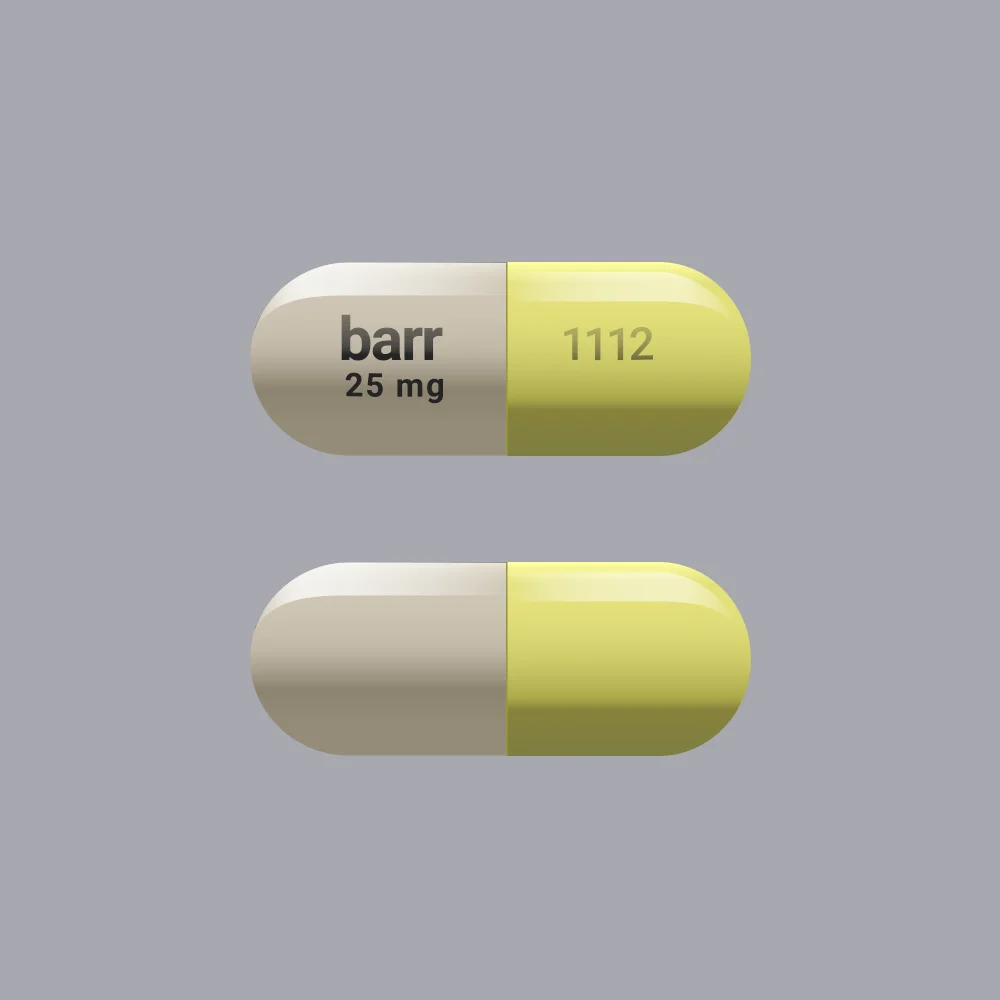
Phentermine 15mg
$315.00Select options This product has multiple variants. The options may be chosen on the product page -
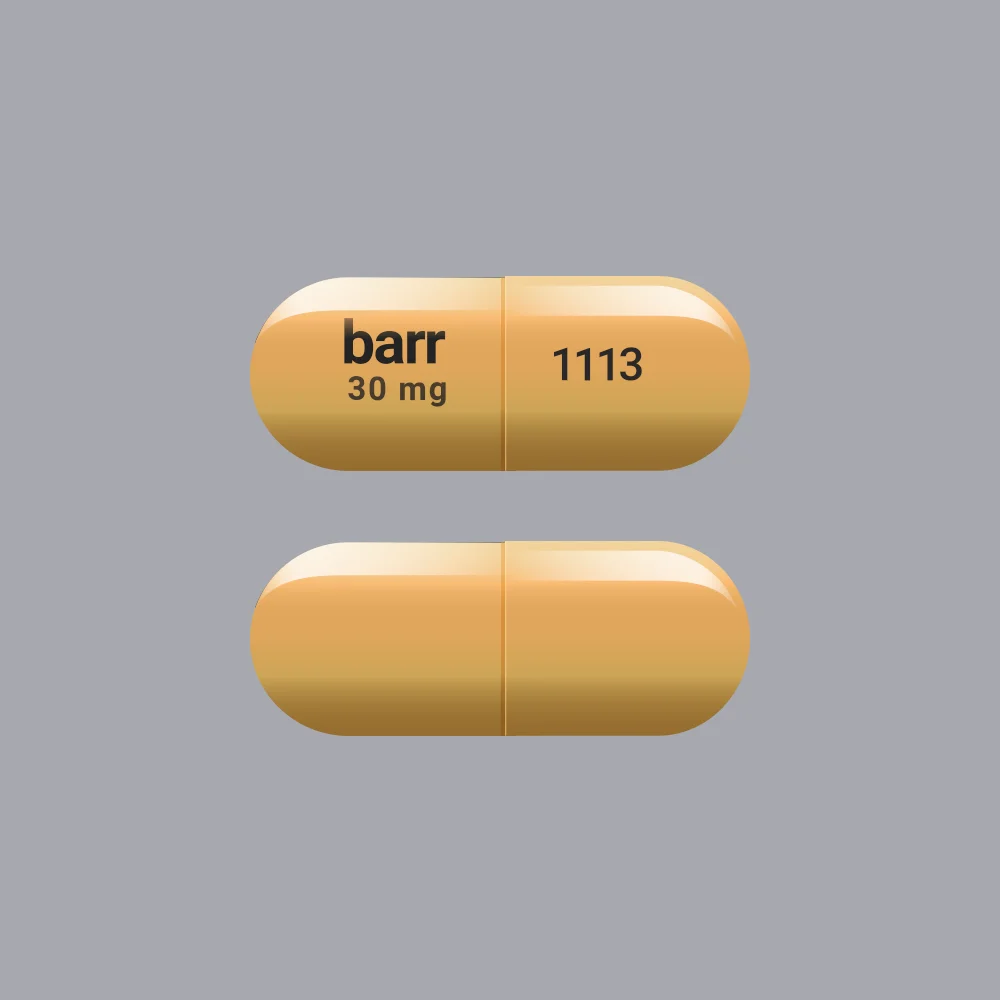
Phentermine 30mg
$315.00Select options This product has multiple variants. The options may be chosen on the product page -
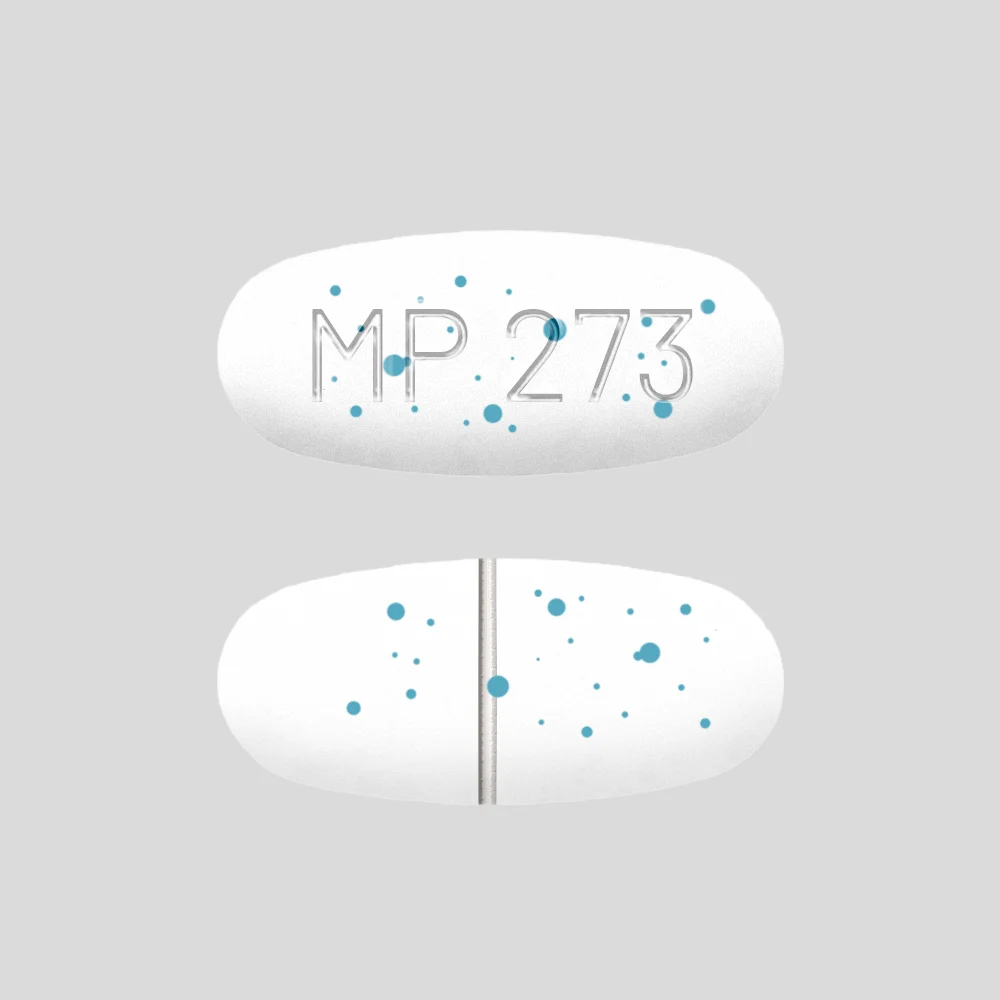
Phentermine 37.5mg
$313.00Select options This product has multiple variants. The options may be chosen on the product page
About Phentermine
Phentermine is a prescription appetite suppressant used as part of a medically supervised weight-management program. It belongs to a group of medicines known as sympathomimetic amines and has stimulant-like effects on the central nervous system.
Phentermine is generally intended for short-term use alongside appropriate dietary, behavioral, and physical-activity changes. It is not a replacement for healthy lifestyle habits or a universal treatment for weight management.
Because phentermine can affect the cardiovascular and nervous systems and has the potential for misuse and dependence, treatment should be guided by a qualified healthcare professional.
A Brief History of Phentermine
Phentermine was introduced in the United States in 1959 as an appetite-suppressing medication. It became widely used as a short-term aid for people who needed medical support with weight management.
Phentermine later became associated with the historical fen-phen combination involving fenfluramine. Concerns about serious heart-valve complications associated with fenfluramine led to that drug’s withdrawal from the U.S. market.
Phentermine itself remains available under medical supervision, subject to federal and state requirements. Its history demonstrates why stimulant-based weight-management medicines require careful prescribing and monitoring.
FDA Status and Prescription Classification
Phentermine is an FDA-approved prescription medication for certain patients with obesity or overweight who meet appropriate medical criteria. It is generally approved for short-term use, although the precise treatment plan should be determined by a healthcare professional.
Phentermine is classified federally as a Schedule IV controlled substance because of its potential for misuse and dependence.
Patients should obtain phentermine only through legitimate medical channels and should never use medication supplied by an unknown or unauthorized source.
What Is Phentermine Used For?
Phentermine may be prescribed as an adjunct to calorie restriction, exercise, and behavioral modifications for weight management in appropriate patients.
A clinician may consider it when a patient’s weight and related health risks justify pharmacological assistance.
The medication is not intended simply as a cosmetic weight-loss product. A healthcare professional should evaluate factors such as medical history, cardiovascular health, current medications, and other potential causes of weight changes before recommending treatment.
How Does Phentermine Work?
Phentermine primarily affects the central nervous system and increases the activity of certain neurotransmitters involved in appetite regulation.
Its stimulant-like activity can reduce feelings of hunger, which may make it easier for some patients to follow a calorie-controlled eating plan.
However, phentermine does not eliminate the need for nutritional changes and physical activity. Weight-management outcomes vary considerably between individuals, and treatment should be evaluated regularly.
Active Ingredient
The active pharmaceutical ingredient is phentermine, commonly supplied in the form of phentermine hydrochloride.
Different prescription products can have different strengths, dosage forms, and release characteristics. Patients should follow the exact instructions on their prescription label rather than selecting a strength based on another person’s experience.
Available Formulations
Phentermine may be supplied in different oral dosage forms, including tablets and capsules. Some products are formulated for immediate release, while others may have different release characteristics.
Available strengths and formulations can vary by product and manufacturer.
Do not assume that tablets or capsules with similar appearances contain identical amounts of medication. Prescription packaging and labeling should always be checked carefully.
Phentermine Dosage Information
The appropriate dose depends on the individual patient, the specific product prescribed, and the healthcare professional’s treatment plan.
Factors that may influence dosing include:
- Age
- Medical history
- Cardiovascular health
- Other medications
- Response to treatment
- Kidney function
- Potential drug interactions
- The specific formulation prescribed
Patients should never increase the amount or frequency of phentermine without medical approval.
Taking more medication in an attempt to accelerate weight loss can increase the likelihood of serious stimulant-related complications.
Common Side Effects
Phentermine may cause side effects, particularly because of its stimulant properties.
Possible reactions include:
- Dry mouth
- Difficulty sleeping
- Nervousness
- Restlessness
- Irritability
- Dizziness
- Constipation
- Increased heart rate
Some side effects may improve as the body adjusts, while others may require medical attention.
Patients should inform their healthcare professional about persistent or troublesome symptoms.
Serious Side Effects
Although serious complications are less common, they can occur.
Seek prompt medical attention for symptoms such as:
- Chest pain
- Significant shortness of breath
- Fainting
- Severe or persistent headache
- Fast or irregular heartbeat
- Severe agitation or confusion
- Significant changes in mood or behavior
Do not ignore new cardiovascular or neurological symptoms while taking a stimulant medication.
Who Should Exercise Caution With Phentermine?
Phentermine is not appropriate for everyone.
A healthcare professional may need to consider additional precautions for people with certain cardiovascular conditions, uncontrolled hypertension, hyperthyroidism, glaucoma, or a history of substance misuse.
It can also interact with certain medications. In particular, patients should tell their clinician about all prescription drugs, over-the-counter medicines, and supplements they use.
Phentermine should not be used during pregnancy for weight-loss purposes. Anyone who is pregnant, planning pregnancy, or breastfeeding should discuss medication options with a qualified healthcare professional.
Drug Interactions
Phentermine can interact with other substances and medications.
Patients should disclose their complete medication list before starting treatment. Particular attention may be required when other stimulant medications, certain antidepressants, or other drugs affecting the nervous or cardiovascular systems are involved.
Never combine prescription medications based solely on information found online.
Phentermine and Sleep
Because phentermine has stimulant properties, it can interfere with sleep in some patients.
Taking it later in the day may increase the likelihood of insomnia, depending on the formulation and prescribing instructions.
Patients should follow the timing instructions provided with their specific prescription rather than changing the schedule independently.
Phentermine and Heart Health
Stimulant medications can influence heart rate and blood pressure.
Patients taking phentermine should report concerning symptoms such as persistent palpitations, chest discomfort, fainting, or unusual shortness of breath.
Individuals with cardiovascular risk factors should have an appropriate medical evaluation before treatment begins.
Signs of Possible Overdose
Taking substantially more phentermine than prescribed can result in serious stimulant toxicity.
Potential warning signs include:
- Severe agitation
- Tremors
- Confusion
- Very rapid heartbeat
- Significant changes in blood pressure
- Severe headache
- Abnormal heart rhythm
- Seizures
- Loss of consciousness
A suspected overdose should be treated as a medical emergency. Contact emergency medical services or a poison-control service immediately rather than waiting for symptoms to disappear.
Dependence and Misuse
Phentermine is a controlled substance because it can be misused.
Taking larger amounts, using it more frequently than prescribed, or using it for purposes other than those directed by a healthcare professional can increase the risk of dependence and other complications.
Patients should never share phentermine with another person, even if that person has similar weight-management concerns.
Safe Use Guidelines
For safer treatment, patients should:
- Use phentermine only under appropriate medical supervision.
- Follow the prescription label precisely.
- Never increase the dose independently.
- Tell healthcare professionals about all medications and supplements being used.
- Monitor blood pressure and other health measures when advised.
- Avoid taking the medication in ways other than prescribed.
- Keep the medicine secured and away from unauthorized users.
- Never share prescription medication.
- Report concerning cardiovascular or neurological symptoms promptly.
- Attend follow-up appointments to evaluate whether treatment remains appropriate.
Safe Storage
Keep phentermine in its original labeled container and store it according to the instructions supplied with the medication.
It should be kept away from children, visitors, and anyone who could misuse it.
Unused controlled medication should be disposed of through an appropriate medication take-back program or according to local disposal guidance.
Authenticity and Online Pharmacy Safety
Prescription medications should be obtained through licensed pharmacies and legitimate healthcare channels.
Consumers should be cautious about websites that:
- Offer controlled medications without appropriate prescriptions
- Hide their pharmacy licensing information
- Make unrealistic health or weight-loss claims
- Use suspicious payment methods
- Provide medication with damaged or questionable packaging
- Cannot identify a legitimate pharmacist or healthcare provider
Counterfeit medicines may contain incorrect ingredients, inappropriate amounts of active medication, or potentially dangerous substances.
A website offering a prescription medication without appropriate medical oversight should be treated as a significant warning sign.
Phentermine and Long-Term Weight Management
Phentermine is not a substitute for sustainable weight-management habits.
Long-term success generally involves a combination of appropriate nutrition, regular physical activity, behavioral strategies, sleep, and medical care when necessary.
A healthcare professional can determine whether continuing medication, changing treatment, or considering another weight-management approach is appropriate.
Phentermine Alternatives
Several prescription treatments may be available for weight management, depending on a patient’s medical circumstances. These may include medications with different mechanisms of action and different safety considerations.
The appropriate option depends on factors such as medical history, weight-related conditions, treatment goals, current medications, and potential side effects.
Patients should not switch from phentermine to another prescription weight-management medication without professional guidance.
Frequently Asked Questions
Is phentermine a prescription medication?
Yes. Phentermine is a prescription medication and is federally classified as a Schedule IV controlled substance in the United States.
What does phentermine do?
Phentermine has stimulant-like effects on the central nervous system and can reduce appetite in appropriate patients. It is generally used as part of a broader weight-management plan.
Can phentermine cause insomnia?
Yes. Difficulty sleeping is a possible side effect because phentermine has stimulant properties.
Can phentermine raise heart rate or blood pressure?
It can. Cardiovascular effects are among the reasons medical supervision is important during treatment.
Is phentermine appropriate for everyone trying to lose weight?
No. A healthcare professional should determine whether phentermine is medically appropriate after considering a person’s health history, current medications, and weight-management needs.
What happens if too much phentermine is taken?
An excessive amount can cause serious stimulant toxicity, including severe agitation, abnormal heart rhythm, major changes in blood pressure, seizures, or loss of consciousness. Suspected overdose requires immediate medical attention.
Conclusion
Phentermine can play a role in short-term, medically supervised weight management for appropriately selected patients.